
Quick and Easy Meal Planning Guide
Discover simple steps to create a meal plan fast and efficiently. Save time and eat healthier with our easy tips!
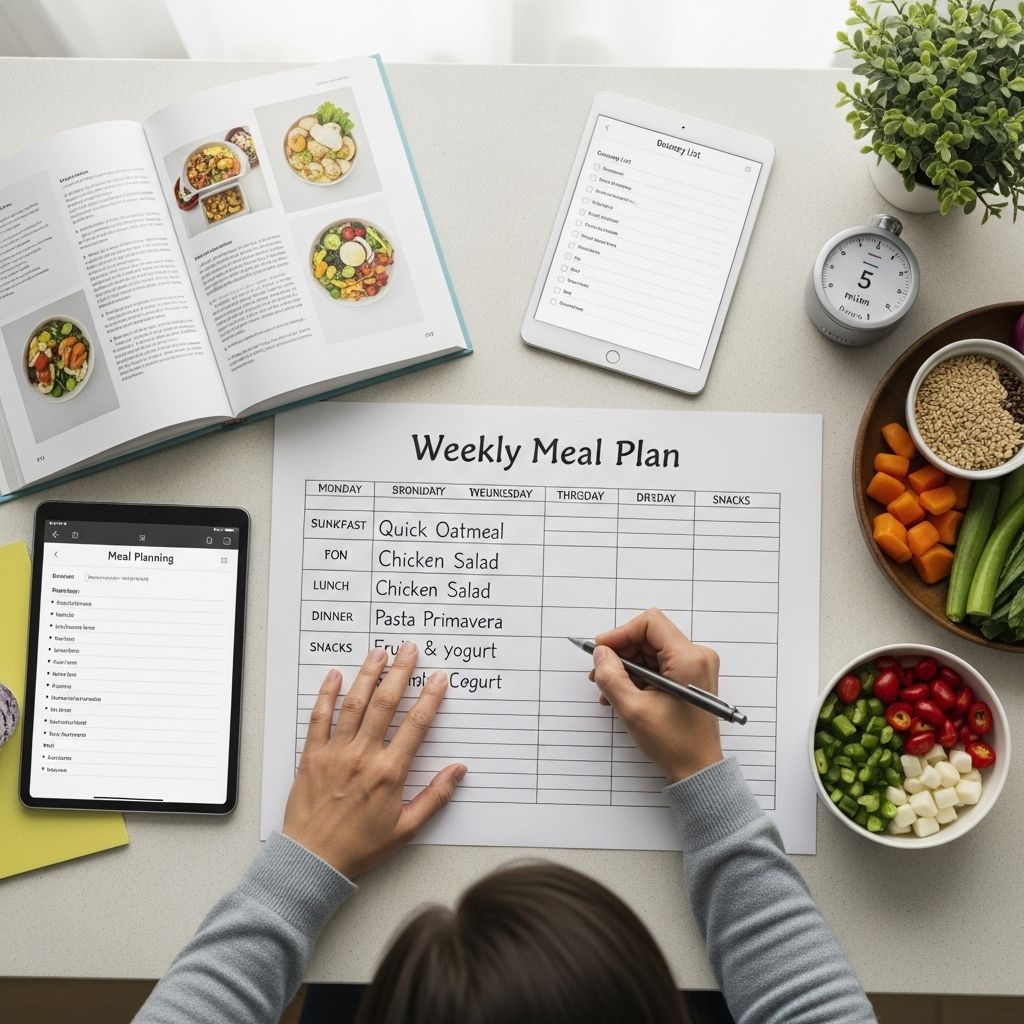
Meal planning has become an essential skill for many individuals seeking to optimize their nutrition, save time, and reduce food waste. In an age where convenience often overshadows quality, creating a meal plan can seem daunting. However, it doesn’t have to be time-consuming or complicated. With a clear strategy and the right tools, you can create a meal plan quickly and efficiently, allowing you to focus on what really matters: enjoying healthy, delicious food.
Meal planning can simplify your life, making it easier to enjoy nutritious meals without the stress of daily cooking. This quick and easy meal planning guide will help you streamline your week, allowing you to focus on what matters most. For visual inspiration on various design projects, you can view 3D logo variations.
Understanding the Benefits of Meal Planning
Before diving into the steps for creating a meal plan, it’s important to recognize the myriad benefits this practice offers:
- Time Efficient: Planning meals in advance can significantly reduce daily preparation time.
- Healthier Choices: A structured meal plan encourages the consumption of whole foods and minimizes impulse eating.
- Cost Savings: Buying groceries in bulk and avoiding last-minute takeouts can lead to substantial savings.
- Reduced Food Waste: Meal plans help ensure ingredients are used before they spoil.
Steps for Creating a Quick and Effective Meal Plan
1. Set Your Goals
Begin by defining what you want to achieve with your meal plan. This could range from losing weight, gaining muscle, adhering to specific dietary requirements (like vegan or gluten-free), or simply saving time. Having clear goals will influence your food choices and structure.
2. Choose Your Planning Period
Decide whether you want to plan for a week, two weeks, or even a month. A week is a common period for many, but longer periods can save time in the long run.
3. Inventory Your Pantry and Fridge
Before drafting your plan, take stock of what you already have. This helps in minimizing waste and ensures you utilize ingredients effectively. Make a list of items that require immediate use to incorporate into your meals.
4. Create a Template
Having a template simplifies the planning process. You can create your own or download a pre-made one. Below is an example template:
| Day | Breakfast | Lunch | Dinner |
|---|---|---|---|
| Monday | Oatmeal | Quinoa Salad | Grilled Chicken |
| Tuesday | Smoothie | Turkey Wrap | Stir-fried Veggies |
5. Brainstorm Meal Ideas
Based on your inventory and goals, brainstorm meals that you can prepare efficiently. Consider incorporating a variety of proteins, grains, and vegetables. Here are some quick ideas:
- Breakfast: Smoothies, overnight oats, scrambled eggs with veggies.
- Lunch: Grain bowls, salads, wraps.
- Dinner: One-pot meals, sheet pan dinners, stir-fries.
6. Make a Grocery List
Once you have your meals planned out, compile a grocery list. Organize it by category (fruits, vegetables, meats, etc.) to streamline your shopping experience. Here’s a quick example of how you can categorize your grocery list:
| Category | Items |
|---|---|
| Fruits | Bananas, apples, berries |
| Vegetables | Spinach, bell peppers, broccoli |
| Proteins | Chicken, tofu, beans |
| Grains | Brown rice, quinoa, whole grain bread |
7. Prepare Meals in Bulk
To save even more time during the week, consider meal prepping. This could mean cooking large batches of grains, roasting vegetables, or even making full meals that can be easily reheated. Here are some tips for effective meal prepping:
- Choose a day (often Sunday) dedicated to meal prep.
- Utilize containers that are microwave and dishwasher safe for easy storage and reheating.
- Label your meals with dates to ensure freshness.
Meal Planning Tools and Resources
Using the right tools can make meal planning a breeze. Consider the following resources:
Apps
- MyFitnessPal: Track your meals and nutritional intake.
- Mealime: Offers meal planning and recipes tailored to dietary preferences.
- Paprika: A powerful recipe manager that lets you plan meals and generate grocery lists.
Websites and Blogs
There are countless sites dedicated to meal planning and healthy recipes. Some renowned ones include:
- EatingWell: Focuses on nutritious recipes with meal planning options.
- Budget Bytes: Offers affordable meal ideas for every budget.
- Minimalist Baker: Focuses on simple, quick recipes often needing 10 ingredients or less.
Tips for Maintaining Your Meal Plan
Creating a meal plan is one thing; sticking to it is another. Here are some strategies for staying on track:
- Be Flexible: Life happens, and sometimes meals will need to shift. Allow for adjustments without guilt.
- Involve Family: Get family members on board to make meal planning a collaborative effort.
- Regularly Review: Take time each week to review what worked and what didn’t to improve future plans.
Final Thoughts
By implementing these strategies, you can quickly develop a meal plan that not only saves you time and money but also supports your health goals. As you become more familiar with the process, it will gradually become second nature, allowing you to enjoy the benefits without feeling overwhelmed. Whether you’re a busy professional, a parent juggling multiple responsibilities, or simply someone looking to enhance your culinary skills, meal planning is a valuable tool that can elevate your dining experience.
FAQ
What are the steps to create a meal plan quickly?
To create a meal plan fast, start by determining your dietary goals, choose a theme for your meals, list your favorite recipes, create a shopping list based on the recipes, and allocate time slots for meal prep.
How can I save time while creating a meal plan?
You can save time by using meal planning apps, picking recipes that use similar ingredients, and preparing meals in bulk to minimize cooking time.
What are some easy meal planning ideas for beginners?
For beginners, consider planning simple meals like stir-fries, salads, or casseroles that require few ingredients and can be prepared quickly.
How often should I update my meal plan?
It’s recommended to update your meal plan weekly to reflect seasonal ingredients, personal cravings, and any changes in your schedule.
Can meal planning help with weight loss?
Yes, meal planning can help with weight loss by promoting portion control, reducing impulse eating, and ensuring you have healthy meals ready to go.
What tools are useful for meal planning?
Useful tools for meal planning include meal planning apps, calendars, grocery shopping lists, and food storage containers for meal prep.