10 Powerful Photo Editing Tips for Stunning Images
Discover 10 powerful photo editing tips to enhance your images and make them stand out. Perfect for beginners and pros alike!

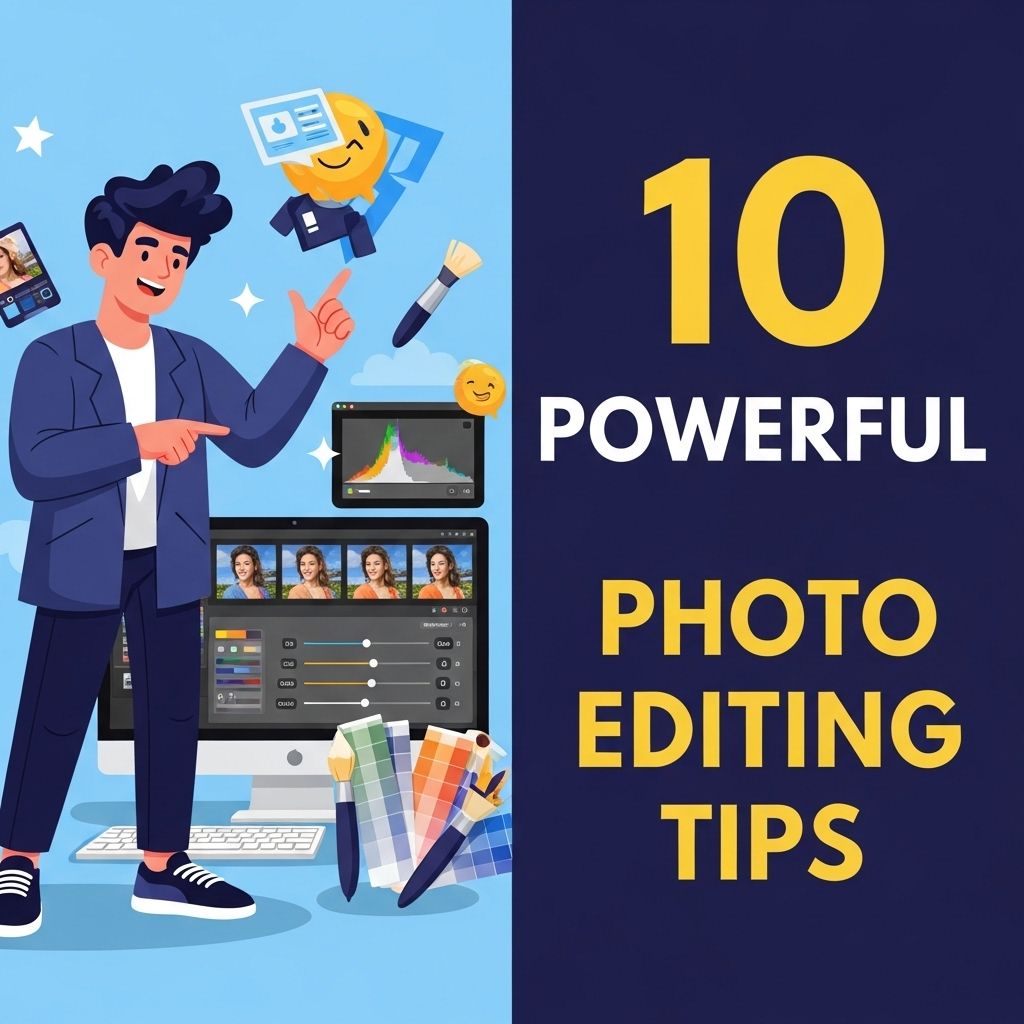
In the age of smartphones and digital photography, mastering the art of photo editing can significantly elevate your images from ordinary to extraordinary. Whether you are a professional photographer or an enthusiastic hobbyist, honing your editing skills can help in expressing your creative vision and telling compelling stories through your photographs. Here, we will delve into ten powerful photo editing tips that can transform your workflow and refine your final outputs.
In the world of photography, mastering editing techniques is essential to elevate your images from mundane to stunning. With just a few powerful tips, you can enhance colors, adjust lighting, and refine details to create visually captivating photos. For designers looking to complement their images, you can find quality logo mockups for your projects that will add the perfect finishing touch.
Table of Contents
Understanding the Basics of Photo Editing
Before we dive into specific tips, it’s crucial to grasp the fundamental concepts that underpin photo editing. This knowledge will serve as the foundation for more advanced techniques.
Key Concepts to Know
- Exposure: The amount of light that reaches your camera sensor. Proper exposure is key to a well-balanced image.
- Color Balance: Adjusting the colors in your photo to achieve a natural look or a desired mood.
- Sharpness: Enhancing the details in your image to make it look crisp and clear.
- Composition: The arrangement of visual elements within an image; good composition can often be enhanced during editing.
1. Use Non-Destructive Editing Techniques
One of the most important practices in photo editing is to avoid permanent alterations to your original files. Non-destructive editing allows you to experiment freely without the risk of ruining the original image. Here are a few methods:
- Adjustment Layers: Use layers in software like Photoshop or Lightroom to apply adjustments without affecting the original layer.
- Smart Objects: Convert layers to Smart Objects, allowing you to transform your images without losing quality.
- Presets: Save and apply presets for consistent edits across multiple images.
2. Master Color Correction
Color correction plays a vital role in photo editing. Correcting the colors can dramatically change the mood and feel of an image. Here’s how to do it effectively:
Steps for Effective Color Correction
- Start with White Balance: Adjust the white balance to remove color casts.
- Use the Curves Tool: Modify the curve to enhance contrast and color balance.
- Adjust Saturation: Increase or decrease saturation to achieve a balanced look.
3. Experiment with Cropping and Framing
The way you crop an image can significantly affect its composition and storytelling. Consider the following:
Effective Cropping Techniques
- Use the Rule of Thirds: Position key elements along the grid lines or at their intersections.
- Eliminate distractions: Crop out unnecessary elements that detract from the main subject.
- Consider different aspect ratios: Experiment with varying dimensions based on how you intend to use the image.
4. Utilize Advanced Retouching Tools
Retouching can help in refining portraits and enhancing the overall quality of your images. Familiarize yourself with the following tools:
Retouching Techniques
| Tool | Function |
|---|---|
| Clone Stamp | Remove blemishes or unwanted elements by copying pixels from one area to another. |
| Healing Brush | Smooth out imperfections while blending in with the surrounding pixels. |
| Dodge and Burn | Lighten or darken specific areas to add depth and dimension. |
5. Play with Textures and Overlays
Adding textures or overlays can provide your images with a unique touch. You can create mood and style through careful application of these elements.
Tips for Using Textures
- Choose textures that complement the image, such as vintage paper or grunge patterns.
- Experiment with blending modes to seamlessly integrate textures into your photos.
- Adjust opacity for a balanced effect that enhances rather than overwhelms the original image.
6. Leverage Filters Wisely
Filters can dramatically alter the look of your images. While they can be useful for quick edits, it’s essential to use them judiciously.
Best Practices for Filters
- Apply filters sparingly to maintain authenticity.
- Adjust the intensity of each filter to avoid a one-size-fits-all look.
- Combine multiple filters for a unique effect, but ensure they remain cohesive.
7. Sharpening and Noise Reduction
In post-processing, sharpening and noise reduction are crucial steps, especially for images taken in low light.
Balancing Sharpness and Noise
- Use sharpening tools to enhance details, but avoid over-sharpening, which can lead to artifacts.
- Apply noise reduction techniques to remove grain while preserving detail and clarity.
8. Explore Creative Compositions with Layering
Layering can open up a world of creative possibilities in photography. By combining multiple images, you can create artistic compositions.
Layering Techniques
- Stack images with different focal points for a depth effect.
- Blend images together with masks for seamless transitions.
- Create double exposures for abstract and surreal effects.
9. Save and Export Properly
After your editing session, ensuring that your final image is saved and exported correctly is vital. Consider these parameters:
Export Settings
- Choose the right file format: JPEG for web, TIFF for printing.
- Maintain the highest quality by using a suitable resolution.
- If necessary, resize images for optimal performance online.
10. Keep Learning and Experimenting
Lastly, the most important tip is to never stop learning. The world of photo editing is ever-evolving, with new tools and techniques emerging regularly.
Ways to Continue Your Education
- Join online photography forums or communities.
- Participate in workshops and webinars.
- Follow tutorials on platforms like YouTube or Skillshare.
By embracing these ten powerful editing tips, you can refine your skills and enhance your photography. Remember, the key to great photography lies not just in capturing images but in the artistry of editing them.
FAQ
What are some essential photo editing tips for beginners?
Start with basic adjustments like brightness, contrast, and saturation. Familiarize yourself with cropping and straightening tools to improve composition.
How can I enhance colors in my photos?
Use saturation and vibrance sliders to boost colors. Adjust the white balance to correct color tones and make your images look more natural.
What is the importance of using layers in photo editing?
Layers allow you to make non-destructive edits, enabling you to adjust, hide, or delete changes without affecting the original image.
How can I remove unwanted objects from my photos?
Utilize the clone stamp or healing brush tools to seamlessly erase distractions from your images and enhance the overall composition.
What are some advanced photo editing techniques?
Explore techniques like frequency separation for skin retouching, dodge and burn for light manipulation, and color grading for mood enhancement.
How can I ensure my photos are optimized for web use?
Resize images to appropriate dimensions, compress them without losing quality, and use the right file formats (JPEG or PNG) for faster loading times.