10 Powerful Tips for Google SEO Success
Discover 10 powerful tips to enhance your Google SEO strategy and achieve online success. Boost your rankings and attract more traffic today!

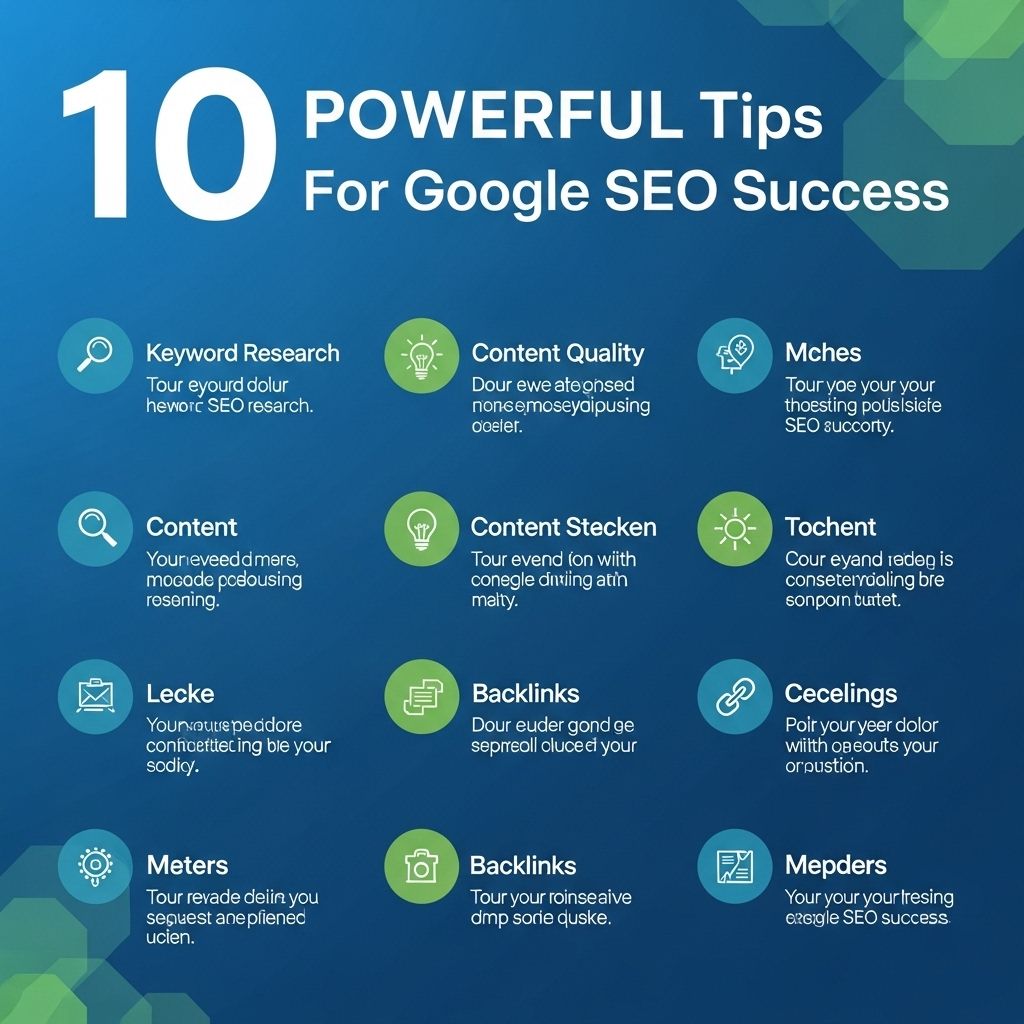
In today’s digital landscape, mastering Google SEO is essential for any business or content creator seeking to enhance their online presence. With the ever-evolving algorithms and increasing competition, it can be challenging to keep up. However, by implementing strategic techniques, anyone can improve their visibility in search results. Below are key insights and actionable tips to achieve SEO success on Google.
Are you looking to boost your website’s visibility and improve your Google rankings? In this guide, we’ll explore 10 powerful tips for SEO success that can help you optimize your site and attract more organic traffic. For inspiration, you might also discover unique 3D logo examples, which can enhance your brand’s online presence.
Table of Contents
Understanding Google SEO Basics
Before diving into advanced strategies, it’s crucial to understand the basics of SEO. Search engine optimization refers to the practice of enhancing the quality and quantity of website traffic through organic search results. Here are some foundational concepts:
- Keyword Research: Identifying the right keywords that your target audience is searching for.
- On-Page SEO: Optimizing individual pages to rank higher and earn more relevant traffic.
- Off-Page SEO: Building reputation and authority through backlinks and social media.
- Technical SEO: Ensuring that your website meets the technical requirements of modern search engines.
1. Conduct Thorough Keyword Research
Keyword research is the cornerstone of effective SEO. Utilize tools like Google Keyword Planner, SEMrush, or Ahrefs to identify keywords that have high search volume and low competition. Focus on:
- Long-tail keywords: These are more specific and often less competitive, making it easier to rank.
- Search intent: Understand what users are looking for when they search for a keyword.
- Semantic keywords: Use related terms to help Google understand the context of your content.
2. Optimize On-Page Elements
On-page SEO refers to the practices you can implement on your website to improve rankings. Key elements to optimize include:
Title Tags and Meta Descriptions
Your title tag and meta description should include main keywords and provide a concise summary of the content. Tips include:
- Keep title tags under 60 characters.
- Limit meta descriptions to 155 characters.
Headings and Content Structure
Use proper heading tags (<h1> for titles, <h2>, <h3> for subheadings) to structure your content effectively. This helps Google understand the hierarchy of your content.
Image Optimization
Images can enhance user experience but can also slow down your site if not optimized. Follow these steps:
- Use descriptive file names and alt attributes.
- Compress images to reduce file size without losing quality.
3. Enhance User Experience (UX)
A website that offers a great user experience is more likely to retain visitors and reduce bounce rates. Consider the following:
- Mobile Responsiveness: Ensure your site is mobile-friendly, as Google prioritizes mobile-first indexing.
- Page Load Speed: Optimize images, leverage browser caching, and reduce server response time.
- Easy Navigation: Create a clear structure with an intuitive menu layout.
4. Create High-Quality Content
Content remains king in the realm of SEO. To create content that resonates with your audience:
- Focus on providing value and answering common questions.
- Use engaging formats such as videos, infographics, and podcasts.
- Update old content to keep it relevant and informative.
5. Implement Technical SEO Practices
Technical SEO ensures that search engines can crawl and index your site effectively. Important elements include:
XML Sitemaps
Create and submit an XML sitemap to help search engines understand the structure of your site.
Robots.txt File
Use this file to instruct search engines which pages to crawl and which to ignore.
SSL Certificate
Secure your website with HTTPS to provide a safe browsing experience for users and improve rankings.
6. Build Backlinks Strategically
Backlinks are vital for building authority and trustworthiness. Here are effective strategies to gain backlinks:
- Guest Blogging: Write articles for reputable sites in your niche.
- Partnerships: Collaborate with influencers or brands to share content.
- Resource Pages: Get listed on resource pages related to your industry.
7. Utilize Social Media
Social media platforms can amplify your content reach and enhance visibility. Best practices include:
- Share your content on multiple platforms.
- Engage with your audience through comments and messages.
- Use appropriate hashtags to widen your audience.
8. Monitor and Analyze Your SEO Performance
Regularly monitoring your SEO performance is vital for success. Use tools such as Google Analytics and Google Search Console to track:
- Organic traffic
- User behavior metrics
- Keyword rankings
9. Stay Updated with SEO Trends
The world of SEO is constantly changing, making it essential to stay informed about the latest trends. Follow reputable SEO blogs and forums, such as:
- Moz
- Search Engine Journal
- Neil Patel’s Blog
10. Be Patient and Persistent
SEO is a long-term strategy, and it requires patience. Results may take time, but consistent efforts will yield positive outcomes. Focus on gradual improvement rather than quick fixes.
In conclusion, by implementing these powerful tips, you can significantly enhance your website’s SEO performance and drive more organic traffic. Remember, SEO is a marathon, not a sprint, and continuous optimization is key to achieving long-lasting success.
FAQ
What are the most important factors for Google SEO success?
The most important factors for Google SEO success include keyword research, high-quality content, backlinks, mobile optimization, and page loading speed.
How can I improve my website’s loading speed for better SEO?
You can improve your website’s loading speed by optimizing images, minimizing HTTP requests, using browser caching, and utilizing content delivery networks (CDNs).
Why is keyword research crucial for SEO?
Keyword research is crucial for SEO as it helps identify the terms and phrases your target audience is using, allowing you to create relevant content that ranks higher in search results.
What role does content quality play in SEO?
Content quality plays a vital role in SEO, as search engines prioritize high-quality, informative, and engaging content that provides value to users.
How can backlinks improve my website’s SEO?
Backlinks improve your website’s SEO by signaling to search engines that your content is credible and valuable, which can boost your site’s authority and ranking.
What is mobile optimization and why is it important for SEO?
Mobile optimization refers to making your website responsive and usable on mobile devices. It’s important for SEO because Google considers mobile-friendliness a ranking factor, especially with its mobile-first indexing.