5 Powerful Email Marketing Strategies for Success
Discover 5 powerful email marketing strategies that can boost engagement, increase conversions, and drive sales in your business.
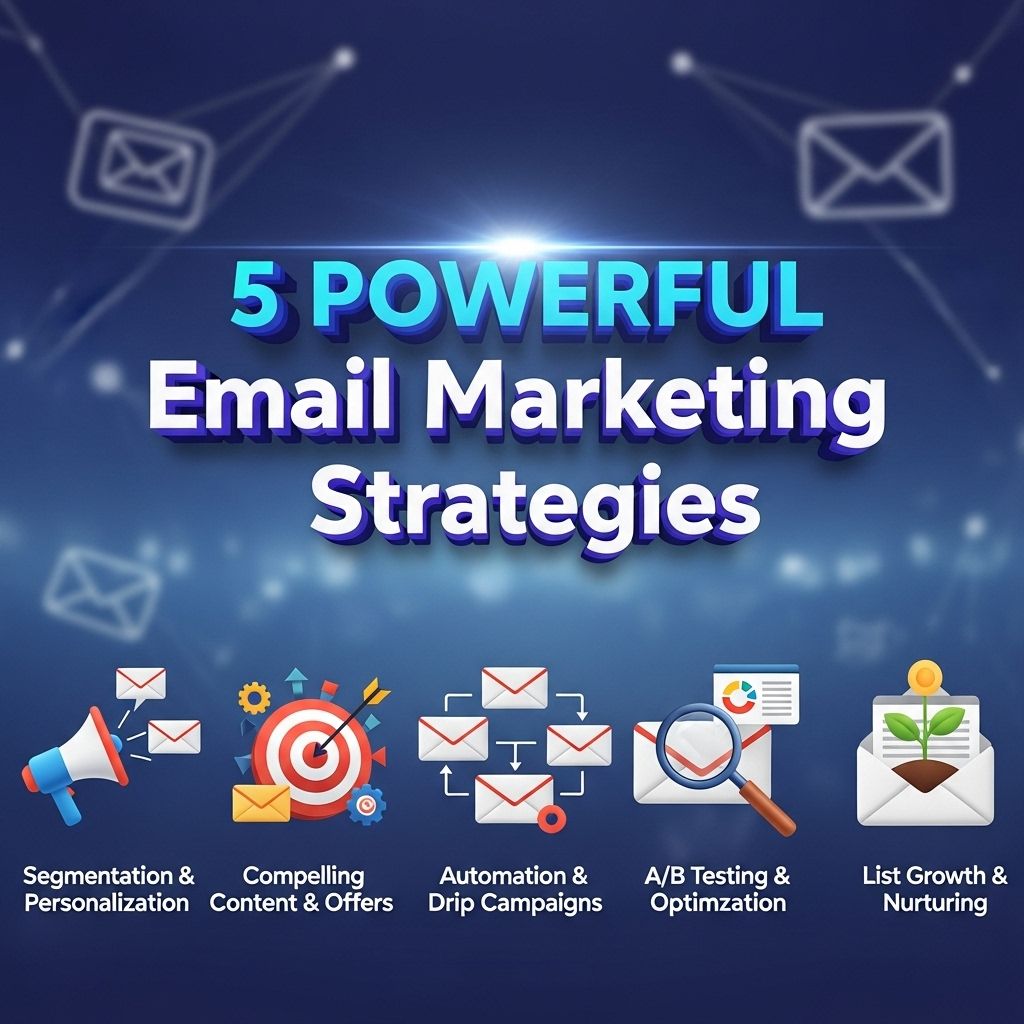
Email marketing continues to be a crucial component of any successful digital marketing strategy. Despite the rise of social media and other communication platforms, emails remain a direct line to the customer, providing an effective way to engage, inform, and convert leads into customers. Understanding the key strategies that can enhance your email marketing efforts is essential. This article delves into five powerful email marketing strategies that can help you maximize your reach and drive results.
Email marketing remains a cornerstone of digital engagement, but mastering it requires strategic finesse. To truly connect with your audience and drive conversions, implementing powerful strategies is essential. Explore ways to enhance your campaigns, from segmentation to design, as you take inspiration from resources like visualize your 3D logo concepts.
Understanding Your Audience
The foundation of any successful email marketing strategy is knowing your audience. Without understanding who your recipients are, your messages may fall flat. Here are several methods to gain insights into your target audience:
1. Segmentation
Segmentation involves dividing your email list into specific groups based on shared characteristics or behaviors. By sending tailored messages to these distinct groups, you can significantly increase engagement rates. Common segmentation criteria include:
- Demographics: Age, gender, location, etc.
- Purchase History: Past purchases or interactions with your brand.
- Engagement Levels: How often they open your emails or click on links.
- Interests: Specific topics or products they show interest in.
Create Compelling Content
Once you know who you’re targeting, the next step is to create great content. This is where the actual persuasion occurs, and compelling content can lead to higher open and click-through rates. Here are some pointers:
2. Personalization
Personalized emails can lead to a higher engagement rate. Here’s how you can personalize your emails:
- Use the recipient’s name in the subject line and body.
- Send tailored product recommendations based on past purchases.
- Craft unique messages based on user behavior, such as abandoned cart reminders.
3. Value-Driven Content
Ensure your emails provide value to the recipients. This could include:
- Exclusive discounts or promotions.
- Informative articles or resources related to your industry.
- Tips and tricks that add value to their lives.
Optimal Timing and Frequency
Understanding when to send your emails is as important as what to send. The timing and frequency can significantly impact the success of your email campaigns. Consider the following:
4. Timing
Send your emails when your audience is most likely to engage. This can vary based on your industry, but here are some general guidelines:
| Day | Optimal Send Time |
|---|---|
| Monday | 10 AM |
| Tuesday | 10 AM |
| Wednesday | 10 AM |
| Thursday | 10 AM |
| Friday | 10 AM |
Experimenting with different send times can help you find the optimal window for your audience.
5. Frequency
Finding the right balance in email frequency is crucial. Too many emails can overwhelm recipients and lead to unsubscribes, while too few can cause you to miss out on engagement opportunities. Consider the following approaches:
- Start with a bi-weekly cadence and adjust based on engagement metrics.
- Use A/B testing to evaluate how different frequencies perform.
- Monitor engagement rates and adjust accordingly.
Mobile Optimization
With the increasing use of mobile devices, ensuring that your emails are optimized for mobile viewing is essential. Here’s how to do it:
Responsive Design
Your emails should look good no matter what device they are viewed on. Consider these tips:
- Use responsive email templates that adapt to screen sizes.
- Keep subject lines short to avoid truncation on smaller screens.
- Ensure that call-to-action buttons are large enough to tap easily.
Measuring Success
Finally, measuring the effectiveness of your email campaigns is essential to continuously improve your strategy. Here are key metrics to monitor:
Key Performance Indicators (KPIs)
- Open Rate: Indicates the percentage of recipients who opened your email.
- Click-Through Rate (CTR): Measures how many clicked on a link within your email.
- Conversion Rate: The percentage of recipients who completed a desired action, such as making a purchase.
- Unsubscribe Rate: The percentage of recipients who opted out of your email list.
Regularly reviewing these metrics can provide valuable insights into the effectiveness of your email campaigns and help refine your strategies over time.
Conclusion
Implementing these powerful email marketing strategies can significantly enhance your ability to connect with your audience and achieve your marketing goals. By understanding your audience, creating compelling content, optimizing timing and frequency, ensuring mobile-friendliness, and measuring success, you can craft an effective email marketing strategy that drives results. Embrace these strategies to foster lasting relationships with your customers and elevate your brand’s presence in the digital world.
FAQ
What are the most effective email marketing strategies?
The most effective email marketing strategies include segmenting your audience, personalizing content, optimizing send times, A/B testing campaigns, and using automation for targeted follow-ups.
How can I improve my email open rates?
To improve email open rates, focus on crafting compelling subject lines, segmenting your email list for targeted messaging, and sending emails at optimal times based on your audience’s behavior.
What role does email automation play in marketing?
Email automation allows marketers to send timely, relevant messages to subscribers based on their behaviors, preferences, and interactions, leading to higher engagement and conversion rates.
How can I segment my email list effectively?
You can segment your email list by demographics, purchase history, engagement levels, and interests, which helps tailor your messages to specific groups for better results.
What are the benefits of A/B testing in email marketing?
A/B testing in email marketing helps you identify what resonates best with your audience by comparing different versions of emails, leading to improved open rates, click-through rates, and overall campaign performance.
How often should I send marketing emails?
The frequency of marketing emails depends on your audience and content, but a good rule of thumb is to send emails consistently—whether weekly, bi-weekly, or monthly—while monitoring engagement metrics to avoid overwhelming subscribers.