10 Modern Minimalist Logo Ideas for Your Brand
Explore 10 innovative minimalist logo ideas that can elevate your brand's identity and appeal to a modern audience.
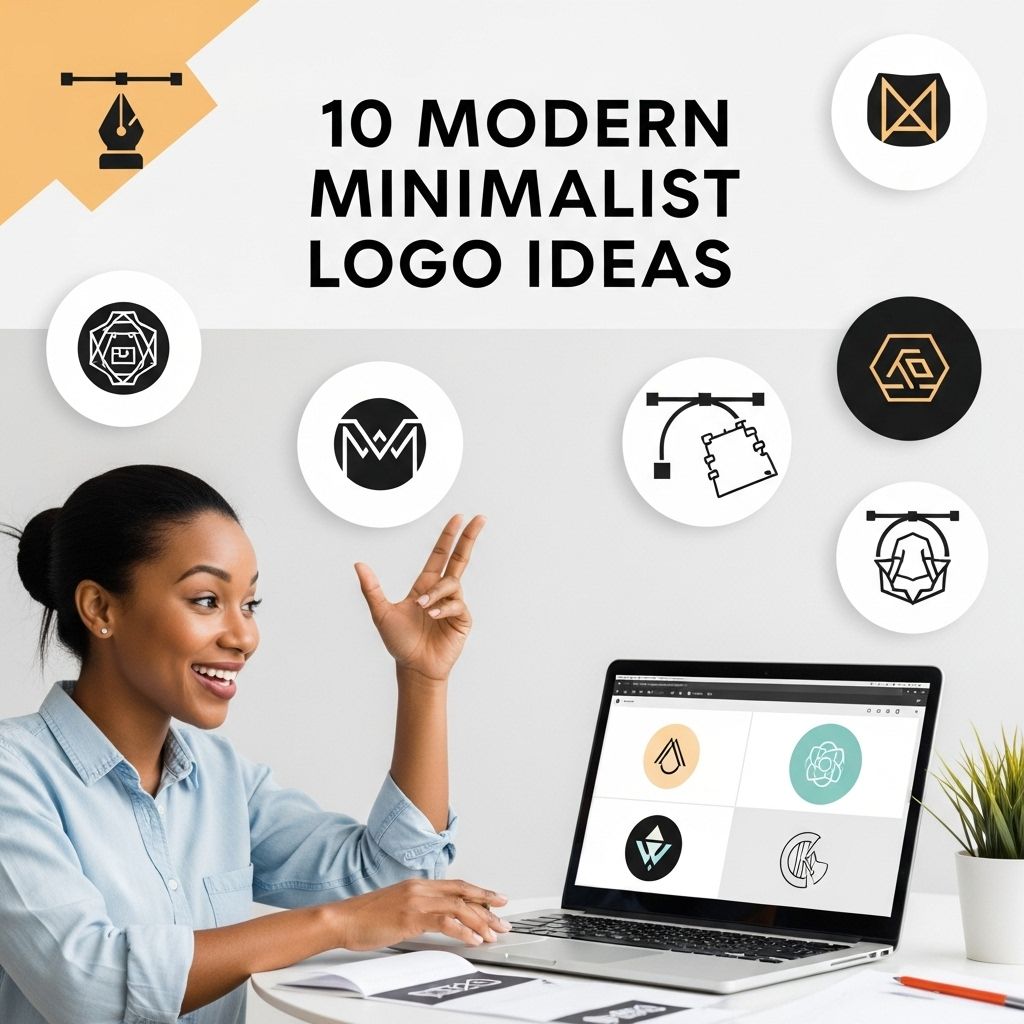
In the world of branding, the logo serves as the face of a company, encapsulating its identity in a simple yet memorable design. The minimalism trend in logo design has gained significant traction over the past few years, with many brands opting for a clean, straightforward aesthetic. This shift is not merely a design choice; it reflects a broader cultural movement towards simplicity and clarity in communication. Here, we explore ten modern minimalist logo ideas that can inspire businesses looking to create an impactful visual identity.
In today’s fast-paced world, a modern minimalist logo can effectively convey your brand’s essence with simplicity and elegance. Here, we explore 10 striking logo ideas that blend contemporary aesthetics with minimalistic design principles. For those looking to visualize their concepts, check out our premium logo mockups.
Understanding Minimalism in Logo Design
Minimalism in design is characterized by a stripped-down aesthetic that uses fewer elements to convey a message. This approach is not just about reducing clutter but about enhancing the core identity of a brand. Key principles of minimalist logo design include:
- Clarity: The design should be instantly recognizable and convey the brand’s essence.
- Simplicity: Fewer elements mean easier reproduction across various mediums.
- Timelessness: A minimalist logo can withstand the test of time without falling out of style.
Ten Modern Minimalist Logo Ideas
1. Geometric Shapes
Geometric logos use basic shapes to create a clean and modern look. These designs can represent stability and professionalism.
Example: A tech company might use a circle and square combination to symbolize integration and precision.
| Shape | Meaning |
|---|---|
| Circle | Unity, wholeness |
| Square | Stability, balance |
| Triangle | Direction, innovation |
2. Monochrome Designs
Utilizing a single color palette allows for a striking yet simple logo. Monochrome logos can be bold and easily adaptable.
Example: A fashion brand might choose black and white to convey sophistication and luxury.
3. Negative Space
Employing negative space cleverly can lead to a memorable logo that captivates audiences. This technique uses the background of the logo to create additional shapes or symbols.
Example: The FedEx logo incorporates an arrow in the negative space between the ‘E’ and ‘x’, implying speed and precision.
4. Lettermark Logos
Lettermarks focus on the initials of a brand’s name. This style is particularly effective for companies with long names.
Example: The IBM logo is a classic representation that simplifies the brand to its initialism.
5. Line Art
Line art logos use minimal lines to create an outline or a simplified version of an object or concept. This style is modern and can convey elegance.
Example: A wellness brand might use a simple line drawing of a leaf to represent health and vitality.
6. Abstract Symbols
Abstract logos do not represent anything recognizable but create a unique visual that reflects the brand’s identity. This style allows for creative freedom.
Example: The Adidas logo features three parallel stripes, an abstract representation that has become iconic.
7. Combination Marks
These logos combine text and symbols, creating a versatile branding tool. A well-designed combination mark can be easily adapted for various uses.
Example: The Starbucks logo merges the siren image with the brand name, making it easily recognizable.
8. Custom Typography
Creating unique typography can set a brand apart. Custom fonts can encapsulate the brand’s personality in a simple form.
Example: The Coca-Cola logo uses a distinctive script that has become synonymous with the brand.
9. Iconic Representations
Using a simplified icon that represents the brand’s industry can be an effective approach. These logos often communicate the brand’s purpose directly.
Example: A photography business might use a minimal camera icon as part of its logo.
10. Nature-Inspired Designs
With an increasing focus on sustainability, nature-inspired logos that utilize organic shapes can resonate well with eco-conscious consumers.
Example: A green energy company might incorporate leaf shapes into their logo to emphasize their commitment to the environment.
Conclusion
The minimalist approach to logo design is about more than just aesthetics; it’s about creating a strong and lasting connection with consumers through clarity and simplicity. Each of the ten ideas explored reflects a trend towards thoughtful design that communicates effectively in a crowded marketplace. For businesses venturing into branding or considering a logo redesign, drawing inspiration from these minimalist concepts can lead to a logo that stands the test of time while encapsulating the brand’s core values.
FAQ
What are modern minimalist logos?
Modern minimalist logos are designs that use simple shapes, limited color palettes, and clean lines to convey a brand’s identity effectively.
Why should I choose a minimalist logo for my brand?
A minimalist logo enhances brand recognition, ensures versatility across various media, and creates a timeless appeal that can evolve with your business.
What elements are commonly found in minimalist logo designs?
Common elements include geometric shapes, sans-serif fonts, monochromatic color schemes, and ample white space to create a clean and uncluttered look.
How do I create a modern minimalist logo?
To create a modern minimalist logo, start by brainstorming core brand values, sketching simple concepts, and focusing on clarity and simplicity in your design.
Can a minimalist logo work for any type of business?
Yes, a minimalist logo can work for various industries, from tech to fashion, as it emphasizes the essence of the brand without overwhelming visuals.
What tools can I use to design a minimalist logo?
You can use design software like Adobe Illustrator, Canva, or online logo makers that offer minimalist templates to help create your logo.