10 Mobile Photography Tips to Elevate Your Skills
Discover 10 essential mobile photography tips to enhance your skills and take stunning photos with your smartphone.

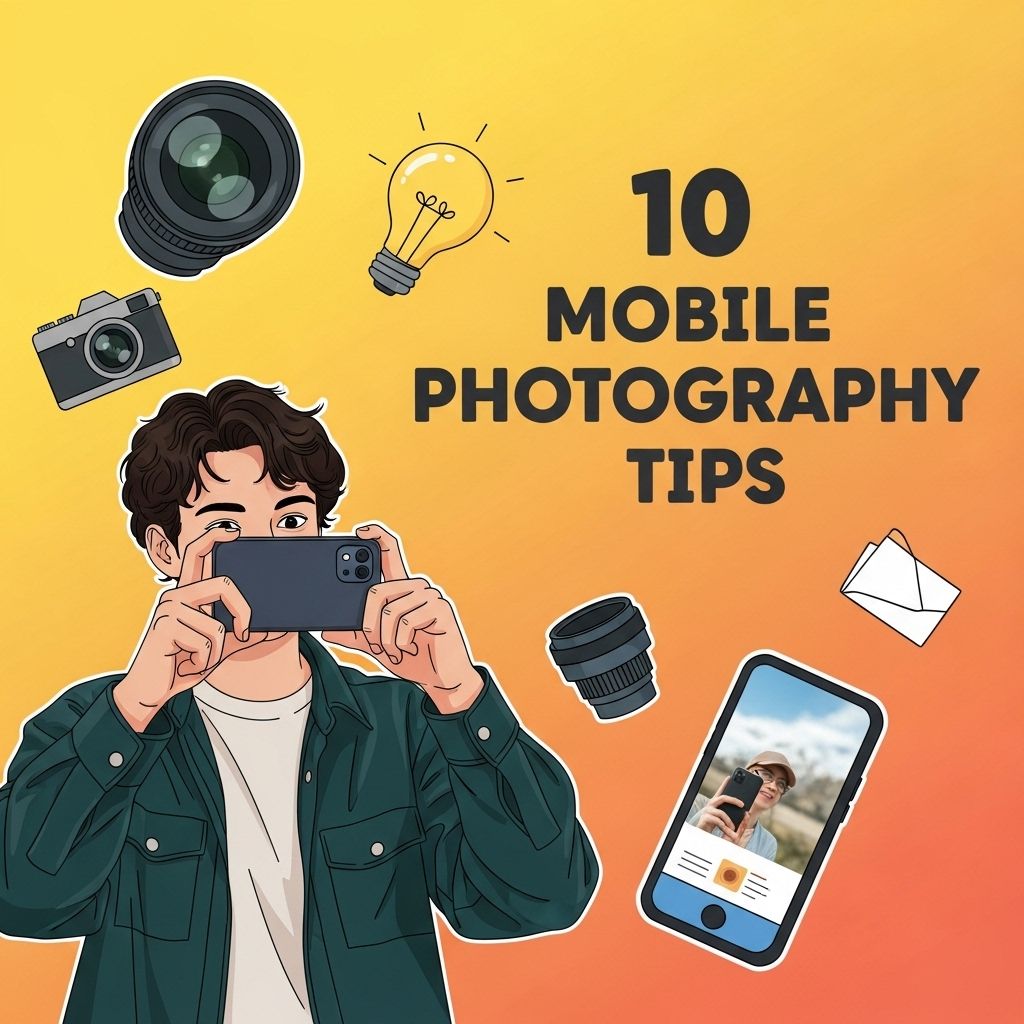
Mobile photography has gained immense popularity in recent years, with advancements in technology allowing smartphones to produce stunning images that rival traditional cameras. Whether you’re capturing candid moments, scenic landscapes, or artistic portraits, mastering mobile photography can enhance your skills and help you tell compelling visual stories. In this article, we will explore ten essential tips to elevate your mobile photography skills.
Mobile photography has transformed the way we capture moments, allowing anyone with a smartphone to become a photographer. To help you elevate your skills, we’ve compiled 10 essential tips that will enhance your compositions and make your images stand out. For those interested in visual design, consider exploring browse logo mockup templates to see how a great logo can enhance your brand’s visual storytelling.
Table of Contents
Understanding Your Smartphone Camera
Before diving into techniques, it’s crucial to familiarize yourself with the features and settings of your smartphone camera. Each device may have different capabilities, so take time to explore:
- Camera Modes: Many smartphones offer various modes such as Portrait, Night, and Pro modes. Experiment with these to see how they affect your images.
- Manual Settings: If available, utilize manual settings to control exposure, ISO, and focus for greater creative control.
- Grid Lines: Activate grid lines to help with composition and achieve better balance in your shots.
Mastering Composition Techniques
Composition is key in photography. Here are some techniques to improve how you frame your shots:
The Rule of Thirds
By dividing your image into thirds both horizontally and vertically, you can place points of interest along these lines or at their intersections. This creates a more dynamic and engaging composition.
Leading Lines
Utilize natural lines within your environment to lead the viewer’s eye to the subject. These can be roads, paths, or even shadows.
Framing
Use elements in your surroundings to frame your subject. This technique adds depth and draws attention to the main focus of the photo.
Lighting Is Essential
Lighting can make or break a photograph. Here are a few tips for optimizing light:
- Golden Hour: Shoot during the golden hour—shortly after sunrise or before sunset—for soft, warm lighting.
- Avoid Harsh Midday Sun: The overhead sun can create unflattering shadows. If shooting during this time, look for shaded areas.
- Use Reflectors: A simple white surface can help bounce light onto your subject, softening harsh shadows.
Utilizing Editing Apps
Post-processing is a crucial step in digital photography. Here are some popular apps to consider:
| App Name | Platform | Features |
|---|---|---|
| Adobe Lightroom | iOS/Android | Professional editing tools, presets, and RAW editing capabilities |
| Snapseed | iOS/Android | User-friendly interface, various filters, and selective adjustment tools |
| VSCO | iOS/Android | Film-inspired filters and advanced editing options |
Experiment with Different Angles
Don’t hesitate to experiment with various angles and perspectives to add interest to your photos:
- Get Low: Shoot from a low angle to make your subject appear larger and more imposing.
- High Perspective: Capture shots from above to provide a unique view of scenes.
- Diagonal Lines: Position your camera at diagonal angles for a more dynamic composition.
Focus and Depth of Field
Understanding focus and depth of field can significantly impact your photography:
Tap to Focus
Most smartphones allow you to tap the screen to set the focus on a specific subject, ensuring clarity where it matters most.
Shallow Depth of Field
Many smartphones now have portrait modes that create a blurred background (bokeh effect), isolating your subject. This adds a professional touch to your images.
Incorporating Storytelling Elements
A compelling story can elevate your photography. Consider the following:
- Context: Include elements that provide context to your subject, whether it’s location, action, or emotion.
- Emotions: Capture genuine emotions that resonate with viewers, drawing them into the moment.
- Series: Consider creating a series of images that tell a story, showcasing different aspects of a particular subject or event.
Showcasing Unique Features
Highlight unique features of your subject or environment that stand out:
Textures
Close-up shots that focus on textures can create compelling images, whether it’s leaves, fabric, or skin.
Colors
Bright colors can grab attention. Look for vibrant subjects or use color contrasts to enhance your composition.
Sharing Your Work
Once you have captured and edited beautiful images, it’s time to share them:
- Social Media: Platforms like Instagram and Pinterest are ideal for showcasing your photography.
- Photography Communities: Join online forums or local groups to share feedback and learn from others.
- Build a Portfolio: Consider creating a dedicated website or blog to professionally present your work.
Conclusion
By implementing these ten mobile photography tips, you’ll be well on your way to capturing stunning images that reflect your unique perspective and creativity. Remember, practice is key, and the more you experiment with your smartphone camera, the better your photography skills will become. Embrace the journey, and most importantly, have fun while exploring the world through your lens!
FAQ
What are some essential mobile photography tips for beginners?
Start by understanding your camera settings, utilizing natural light, and practicing composition techniques like the rule of thirds.
How can I improve my mobile photography skills?
Experiment with different angles, edit your photos using apps, and study the work of professional photographers for inspiration.
What is the best lighting for mobile photography?
Natural light is ideal, especially during golden hour. Avoid harsh midday sunlight to prevent overexposed images.
How can I take better close-up shots with my mobile phone?
Use the macro mode if available, get close to your subject, and ensure your camera is stable to avoid blurriness.
What editing apps do you recommend for mobile photography?
Popular editing apps include Adobe Lightroom, Snapseed, and VSCO, which offer various tools to enhance your images.
How can I make my mobile photography stand out on social media?
Focus on unique perspectives, maintain a consistent editing style, and engage with your audience through storytelling.