5 Essential Tools for Minimalist Logo Design
Discover 5 must-have tools to create stunning minimalist logos effortlessly and elevate your brand identity.

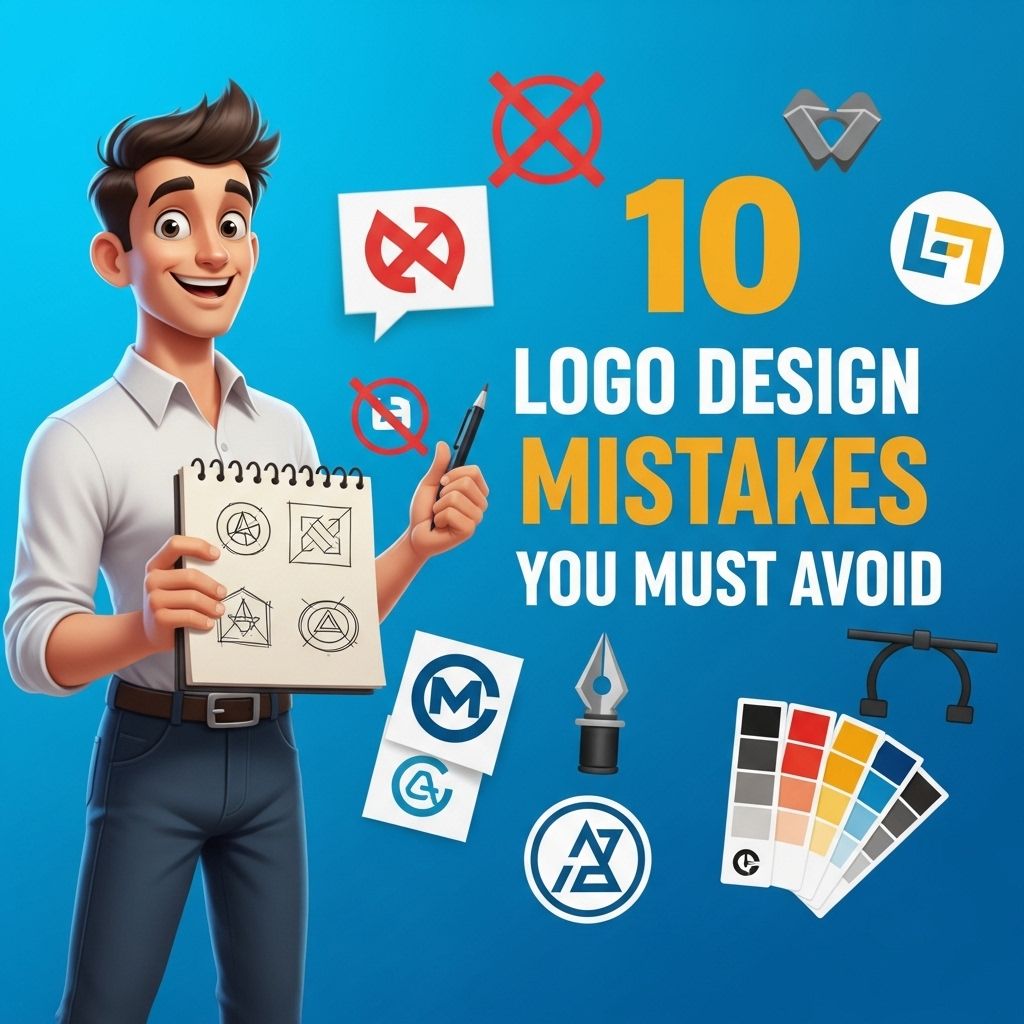
In the realm of graphic design, crafting the perfect minimalist logo has become an essential skill for visual communicators. Minimalism, characterized by simplicity and clarity, is not just a trend but an enduring principle that enhances brand identity and recognition. A well-designed minimalist logo can convey a brand’s essence in its simplest form, making it instantly recognizable and memorable. This article explores five top tools that can aid designers in creating stunning minimalist logos, providing the right features for a streamlined design process.
Minimalist logo design focuses on simplicity and clarity, making it essential for businesses to communicate their brand identity effectively. To aid designers in creating impactful logos, utilizing the right tools is crucial. For those looking to elevate their designs, you can browse logo mockup templates that showcase your work in a professional context.
Table of Contents
1. Adobe Illustrator
Adobe Illustrator sets the standard for vector graphic design. It’s widely recognized for its powerful tools and versatility, making it an ideal choice for minimalist logo creation. Here are some key features that make Illustrator a go-to tool:
- Vector Graphics: Create scalable designs that maintain quality at any size.
- Artboards: Easily work on multiple logo concepts simultaneously.
- Pen Tool: Achieve precision in your designs with the ability to create custom shapes.
- Typography Options: A vast library of fonts allows for unique type treatment.
Tips for Using Adobe Illustrator:
- Use the grid and guides to maintain alignment and balance in your designs.
- Experiment with the ‘Shape Builder Tool’ to create interesting geometric shapes.
- Utilize layers to organize your design components effectively.
2. Canva
Canva has revolutionized design by making it accessible to everyone, including those without a professional background in graphic design. It offers a simplified platform ideal for quick logo creation, particularly for businesses or entrepreneurs. Key features include:
- User-Friendly Interface: Intuitive for beginners and non-designers.
- Templates: A diverse range of minimalist logo templates to kickstart creativity.
- Drag-and-Drop Functionality: Easily manipulate elements to suit your needs.
Best Practices with Canva:
- Start with a template and customize it to fit your brand’s voice.
- Experiment with different color combinations to find the perfect palette.
- Keep your design balanced by limiting the number of elements you use.
3. Sketch
Popular among digital designers, Sketch is particularly favored for UI/UX design but is also a robust tool for logo creation. Its focus on vector graphics and collaborative features make it an excellent choice for team projects. Key aspects include:
- Symbol System: Create reusable components for consistent branding.
- Plugins: Expand functionality with a vast library of plugins tailored for logo design.
- Real-Time Collaboration: Collaborate with team members for immediate feedback.
Using Sketch Effectively:
- Utilize the grid system to align elements perfectly.
- Leverage symbol overrides to maintain consistency across designs.
- Explore third-party plugins for added design capabilities.
4. Figma
Figma is a cloud-based design tool that allows for real-time collaboration, making it a favorite among design teams. Its versatility extends to logo design, where its vector editing capabilities shine. Important features include:
- Collaboration: Work alongside team members or clients in real time, enhancing feedback loops.
- Vector Networks: Create complex shapes with more control than traditional paths.
- Design Systems: Maintain consistency across multiple designs with shared styles and components.
Figma Design Strategies:
- Implement a design system to streamline your logo and branding projects.
- Utilize the prototyping feature to visualize how the logo looks across different media.
- Regularly seek feedback from stakeholders through shared links.
5. Inkscape
For those seeking a free alternative to Adobe Illustrator, Inkscape offers a robust suite of features geared towards vector graphic design, making it suitable for minimalist logo creation. Highlights include:
- Free and Open-Source: Accessible to anyone without compromising on features.
- Advanced Vector Operations: Includes features like path editing and shape intersection.
- Custom Extensions: Expand functionality with user-created extensions.
Effective Use of Inkscape:
- Familiarize yourself with the path tools to enhance your shape designs.
- Use layers to manage complex projects efficiently.
- Experiment with color gradients and transparency for depth in your minimalist logos.
Conclusion
Creating a minimalist logo requires not just artistic flair but also the right tools to translate concepts into compelling visuals. Each of the tools mentioned has its unique strengths, catering to different styles, budgets, and expertise levels. Whether you’re a seasoned designer or a novice, investing time in mastering these tools will empower you to create logos that not only represent a brand’s identity but stand the test of time. Embrace the minimalist approach and let your creativity flourish with these powerful design tools.
FAQ
What are the best tools for creating a minimalist logo?
Some of the best tools for creating a minimalist logo include Adobe Illustrator, Canva, Sketch, Figma, and Logo Maker.
Can I design a minimalist logo for free?
Yes, tools like Canva and Logo Maker offer free options for designing minimalist logos, although premium features may require payment.
What should I consider when designing a minimalist logo?
When designing a minimalist logo, consider simplicity, scalability, color schemes, and how well it represents your brand identity.
Is Adobe Illustrator suitable for beginners in logo design?
Adobe Illustrator is a professional tool that may have a learning curve for beginners, but its powerful features make it a popular choice for logo design.
How important is color in minimalist logo design?
Color plays a crucial role in minimalist logo design as it can convey emotions and brand identity while maintaining simplicity and elegance.