10 Minimal Graphic Design Ideas You Need to Try
Explore 10 innovative minimal graphic design ideas that will inspire your creativity and elevate your projects to the next level.

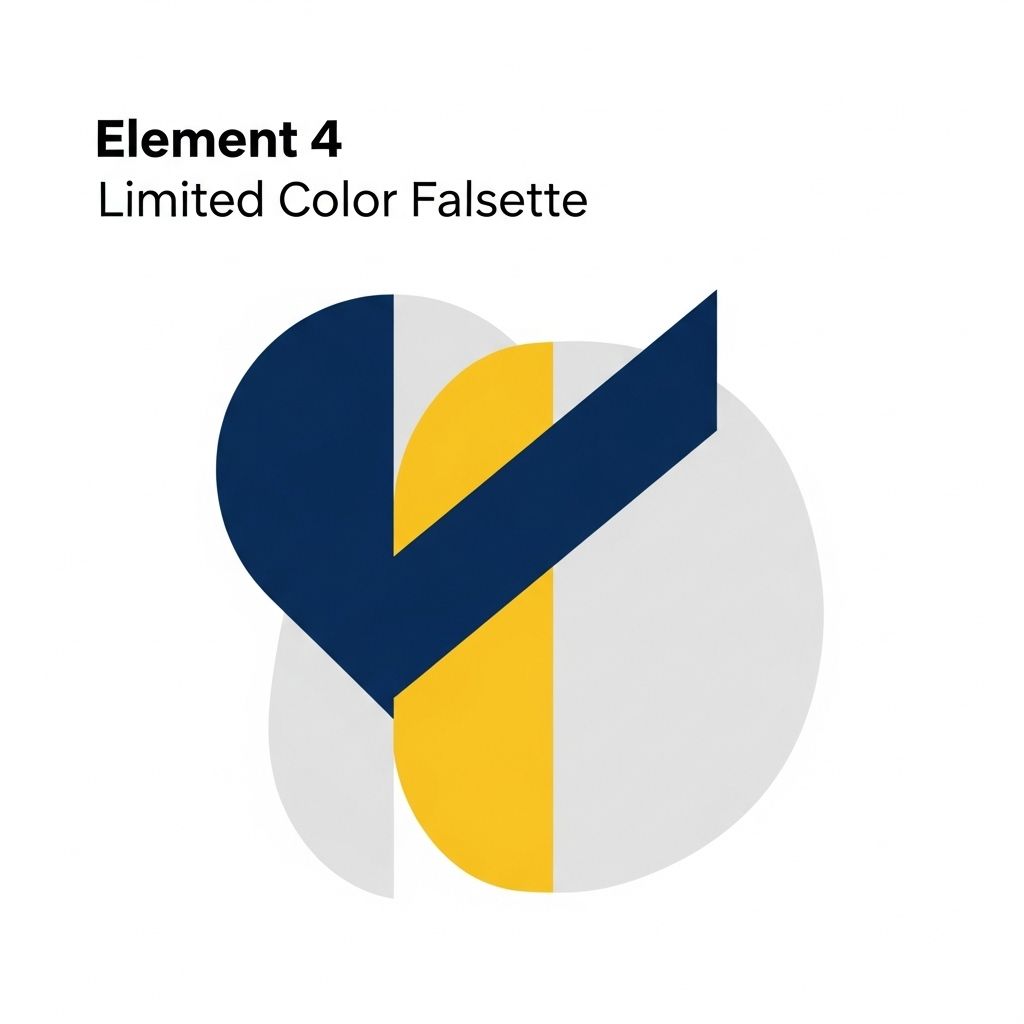
Minimal graphic design is more than just a trend; it’s a philosophy that embraces simplicity, clarity, and function. In a world saturated with information and distractions, the minimalistic approach helps designers create clear, impactful messages that resonate with their audience. In this article, we will explore ten innovative minimal graphic design ideas that can elevate your work and inspire creativity.
Minimalist graphic design is all about simplicity and clarity, making it a compelling choice for contemporary creators. In this article, we explore 10 minimal graphic design ideas that can elevate your work, including the potential of 3D elements; for instance, you can download stunning 3D logo designs that seamlessly blend minimalism with depth.
Table of Contents
Understanding Minimalism in Design
Before diving into specific ideas, it’s essential to understand what minimalism in graphic design entails. It focuses on:
- Clarity: Removing unnecessary elements that do not contribute to the overall message.
- Functionality: Ensuring every design component serves a purpose.
- Whitespace: Utilizing empty space effectively to create balance and focus.
1. Monochrome Palettes
Using a single color or shades of one color can create a powerful visual impact. Monochromatic designs are easier on the eyes and convey professionalism.
Benefits of Monochrome Design
- Enhances brand recognition.
- Conveys a sense of sophistication.
- Allows for greater focus on content.
2. Geometric Shapes
Incorporating geometric shapes can add a modern touch while maintaining minimalism. Clean lines and forms can enhance visual appeal and provide structural integrity to your design.
Application Examples
Consider using triangles, circles, or squares to:
- Create backgrounds that add depth.
- Frame important content.
- Add texture without cluttering.
3. Negative Space
Negative space, or whitespace, is vital in minimal design. It helps to create balance and direct the viewer’s attention to essential elements.
Tips for Using Negative Space
- Use it to frame text or images.
- Incorporate it in logos to enhance brand identity.
- Avoid overcrowding your layout.
4. Simplified Typography
The choice of typography can make or break a minimal design. Select fonts that are clean and easy to read, and limit the number of typefaces used.
Recommended Fonts
| Font Family | Style | Use Case |
|---|---|---|
| Helvetica | Sans-serif | Corporate materials |
| Garamond | Serif | Books and print media |
| Futura | Geometric Sans-serif | Modern branding |
5. Asymmetrical Layouts
Breaking away from traditional grid layouts can make your design stand out. Asymmetrical layouts create a dynamic feeling while maintaining minimalism.
How to Achieve Asymmetry
- Use varying sizes for images and text blocks.
- Balance elements by grouping items of different sizes.
- Employ contrasting colors to create focal points.
6. Iconography
Icons can convey messages quickly and effectively. By utilizing simple icons, you can enhance usability and aesthetic appeal without overwhelming your design.
Best Practices for Icon Use
- Stick to a consistent style (line, filled, etc.).
- Limit the color palette to keep it cohesive.
- Ensure icons are intuitive and widely recognized.
7. Minimal Photography
When incorporating images, opt for minimal photography. Choose images with simple compositions and neutral backgrounds that complement your design.
Sources for Minimal Photography
Consider using:
- Stock photo websites.
- Personal photography with a focus on simplicity.
- Abstract imagery that fits the theme.
8. Color Blocking
Color blocking involves the strategic use of solid colors to create sections within your design. This technique can help separate content while keeping the overall look clean and modern.
Implementing Color Blocking
- Select a limited color palette.
- Use contrasting colors to draw attention to specific areas.
- Ensure the blocks align harmoniously.
9. Interactive Elements
Incorporating minimal interactive elements can engage users while maintaining a clean interface. Subtle animations or transitions can enhance the user experience without adding clutter.
Best Minimal Interactive Practices
- Use hover effects to highlight clickable items.
- Limit animations to essential actions.
- Ensure interactions do not detract from the main content.
10. Consistent Branding
Finally, ensure your minimal design adheres to your brand’s identity. Consistency in colors, typography, and style helps in reinforcing brand recognition.
Elements to Maintain Consistency
- Logo usage.
- Brand color codes.
- Typography guidelines.
Conclusion
Minimal graphic design is about clarity, focus, and impact. By utilizing these ten ideas, you can create designs that are not only aesthetically pleasing but also effective in communicating your message. Embrace the beauty of simplicity and let your creativity shine through!
FAQ
What are some minimal graphic design ideas?
Some minimal graphic design ideas include using simple geometric shapes, monochromatic color schemes, ample white space, minimal typography, and flat illustrations.
How can I achieve a minimalistic design in my projects?
To achieve a minimalistic design, focus on reducing clutter, using a limited color palette, and emphasizing essential elements to convey your message effectively.
What is the importance of white space in minimal graphic design?
White space, or negative space, is crucial in minimal graphic design as it enhances readability, draws attention to key elements, and creates a sense of balance.
Which fonts are best for minimal graphic design?
Sans-serif fonts, such as Helvetica, Arial, and Futura, are often preferred for minimal graphic design due to their clean and modern appearance.
Can minimal graphic design be effective for branding?
Yes, minimal graphic design can be highly effective for branding as it creates a strong, memorable identity and allows the core message to stand out without distractions.
What tools can I use for minimal graphic design?
Tools like Adobe Illustrator, Canva, and Figma are popular for creating minimal graphic designs, offering features that help streamline the design process.