Master UI/UX Design: Your 2025 Guide
Discover essential strategies and insights to master UI/UX design in 2025 and elevate your design skills.

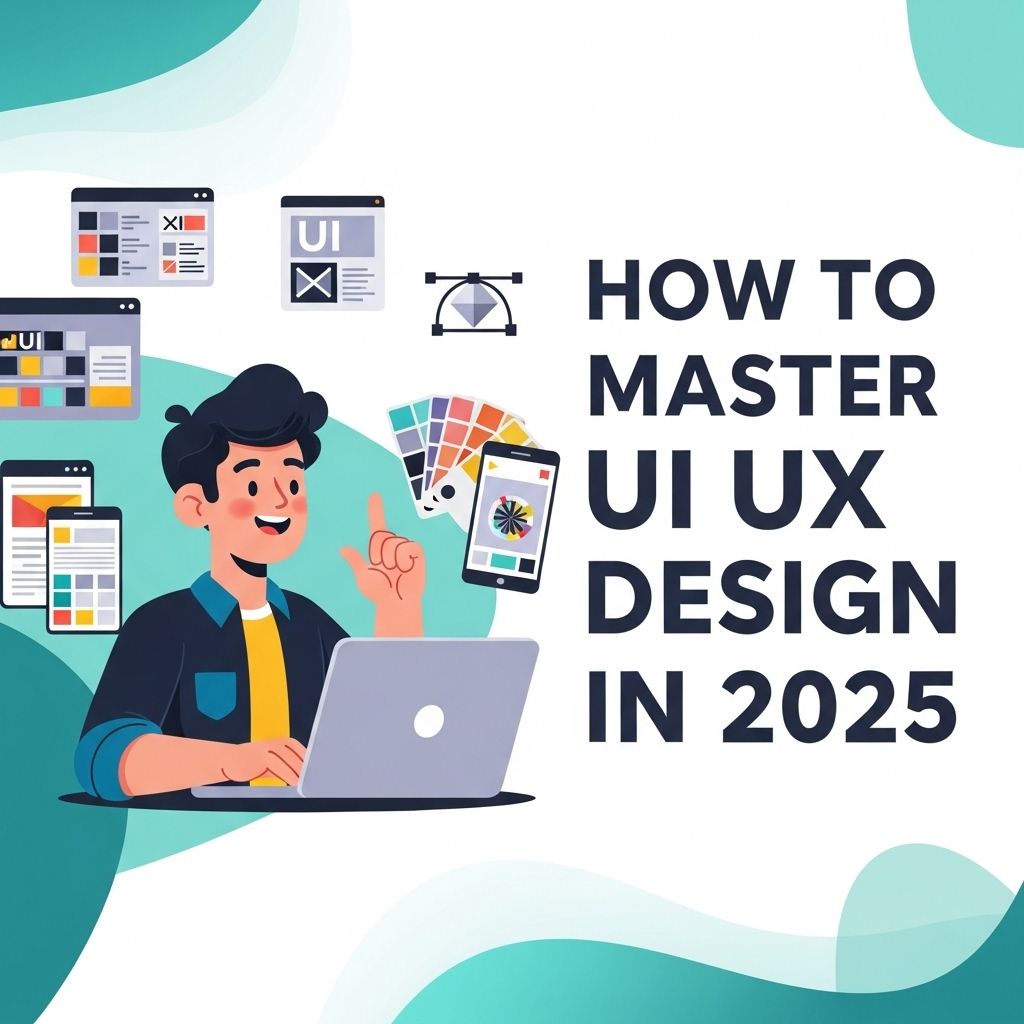
The world of UI/UX design is continuously evolving, with new tools, technologies, and methodologies emerging each year. As we move towards 2025, staying ahead in this fast-paced environment requires a deep understanding of user needs, an appreciation for design trends, and a commitment to lifelong learning. In this article, we will explore essential strategies, resources, and skills needed to master UI/UX design in the coming year.
As we navigate the rapidly evolving landscape of UI/UX design, staying ahead in 2025 requires a keen understanding of user needs and emerging trends. This guide will delve into essential strategies and tools to enhance your design skills, including resources to find quality logo mockups for your projects. Embracing these elements will set a solid foundation for your design success in the coming year.
Table of Contents
Understanding the Fundamentals of UI/UX Design
Before diving into advanced techniques and tools, it’s crucial to have a solid grasp of the fundamentals of user interface (UI) and user experience (UX) design. Here are the core principles that form the foundation of great design:
- User-Centered Design: Always put the needs, preferences, and behaviors of users at the forefront of your design process.
- Usability: Ensure that your design is simple, intuitive, and easy to navigate. Test your designs with real users to identify potential issues.
- Accessibility: Design with inclusivity in mind, ensuring that your products are usable by people with varying abilities and disabilities.
- Visual Hierarchy: Use size, color, and layout to guide users’ attention to the most important elements in your design.
Key Skills to Develop for UI/UX Mastery
Mastering UI/UX design involves cultivating an array of skills. In 2025, the following skills will be particularly valuable:
1. Proficiency in Design Tools
Familiarize yourself with industry-standard design tools such as:
| Tool | Description |
|---|---|
| Figma | Collaborative design tool for interface design and prototyping. |
| Sketch | Vector-based design tool particularly popular among UI designers. |
| Adobe XD | A versatile design and prototyping tool that integrates well with other Adobe products. |
| InVision | A platform for prototyping and workflow, enabling designers to create interactive mockups. |
2. Understanding Interaction Design
Interaction design focuses on how users interact with your product. Key concepts include:
- Feedback: Providing users with feedback on their actions.
- Affordances: Designing elements to suggest their usage (e.g., buttons that look clickable).
- Consistency: Maintaining uniformity across different parts of your design.
3. Knowledge of User Research Methods
Understanding user behaviors and preferences is a critical aspect of UI/UX design. Methods include:
- Surveys: Collect data on user preferences and experiences.
- Interviews: Gain in-depth insights into user motivations and pain points.
- Usability Testing: Observe real users as they interact with your design to identify areas for improvement.
Staying Updated with Industry Trends
To truly master UI/UX design, staying informed about current trends is essential. Here are some trends to watch in 2025:
1. Voice User Interface (VUI)
The rise of virtual assistants and smart devices is pushing designers to incorporate voice interactions into their products. Key considerations include:
- Understanding how users phrase voice commands.
- Designing for auditory feedback.
- Considering the context of voice interactions.
2. Augmented Reality (AR) and Virtual Reality (VR)
With the growing popularity of AR and VR applications, designers should explore:
- Creating immersive user experiences that blend the digital and physical worlds.
- Designing user interfaces that are effective in 3D environments.
- Understanding user behavior in virtual environments.
3. Microinteractions
Small, subtle animations and feedback can significantly enhance the user experience. Examples include:
- Loading animations.
- Button hover effects.
- Notifications for user actions.
Building a Strong Portfolio
Your portfolio is a crucial tool for showcasing your skills and attracting potential employers or clients. Here are some tips for building an impressive portfolio:
1. Include a Variety of Projects
Diverse projects demonstrate your adaptability and range as a designer. Consider including:
- Web and mobile app designs.
- Branding and identity projects.
- Case studies that detail your design process.
2. Document Your Design Process
Showcase your thought process, including:
- Research findings.
- Initial sketches and wireframes.
- User testing results and iterations.
3. Highlight Your Impact
Whenever possible, quantify the results of your design work. Use metrics such as:
- Increased user engagement rates.
- Reduced bounce rates.
- Higher conversion rates.
Networking and Community Engagement
Connecting with other design professionals can open doors to new opportunities and keep you motivated. Here are some ways to engage with the community:
1. Attend Conferences and Workshops
Participating in events like UX conferences and design workshops will expose you to new ideas and trends while allowing you to connect with other professionals.
2. Join Online Communities
Engage in online forums and platforms such as:
- Behance
- Dribbble
- UX Design Slack groups
3. Collaborate on Projects
Working with other designers or developers can enrich your experience and lead to innovative solutions. Consider open-source projects or hackathons as opportunities for collaboration.
Conclusion
Mastering UI/UX design requires a combination of foundational knowledge, practical skills, and a keen awareness of emerging trends. As we approach 2025, continuously evolving your skill set and engaging with the design community will position you for success in this dynamic field. Embrace the journey of learning, and you will create meaningful and impactful user experiences.
FAQ
What are the essential skills needed to master UI UX design in 2025?
To master UI UX design in 2025, you should focus on skills such as user research, wireframing, prototyping, usability testing, and understanding design principles. Additionally, staying updated on the latest design tools and trends is crucial.
What resources can help me improve my UI UX design skills?
You can enhance your UI UX design skills through online courses, design bootcamps, books, and tutorials. Websites like Coursera, Udemy, and LinkedIn Learning offer valuable resources for both beginners and advanced designers.
How important is user feedback in UI UX design?
User feedback is vital in UI UX design as it helps identify pain points and areas for improvement. Incorporating user feedback into your design process ensures that the final product meets user needs and enhances overall user satisfaction.
What design tools are trending for UI UX designers in 2025?
As of 2025, popular design tools for UI UX designers include Figma, Adobe XD, Sketch, and InVision. These tools offer collaborative features, prototyping capabilities, and design systems that streamline the design process.
How can I build a strong portfolio in UI UX design?
To build a strong portfolio in UI UX design, include a variety of projects that showcase your skills in user research, design thinking, and problem-solving. Highlight your process and decision-making through case studies and ensure your portfolio is visually appealing and easy to navigate.