
5 Essential Tools for Mastering Languages While Traveling
Discover 5 top tools that can help you master new languages effortlessly while traveling. Enhance your experience and connect with locals!
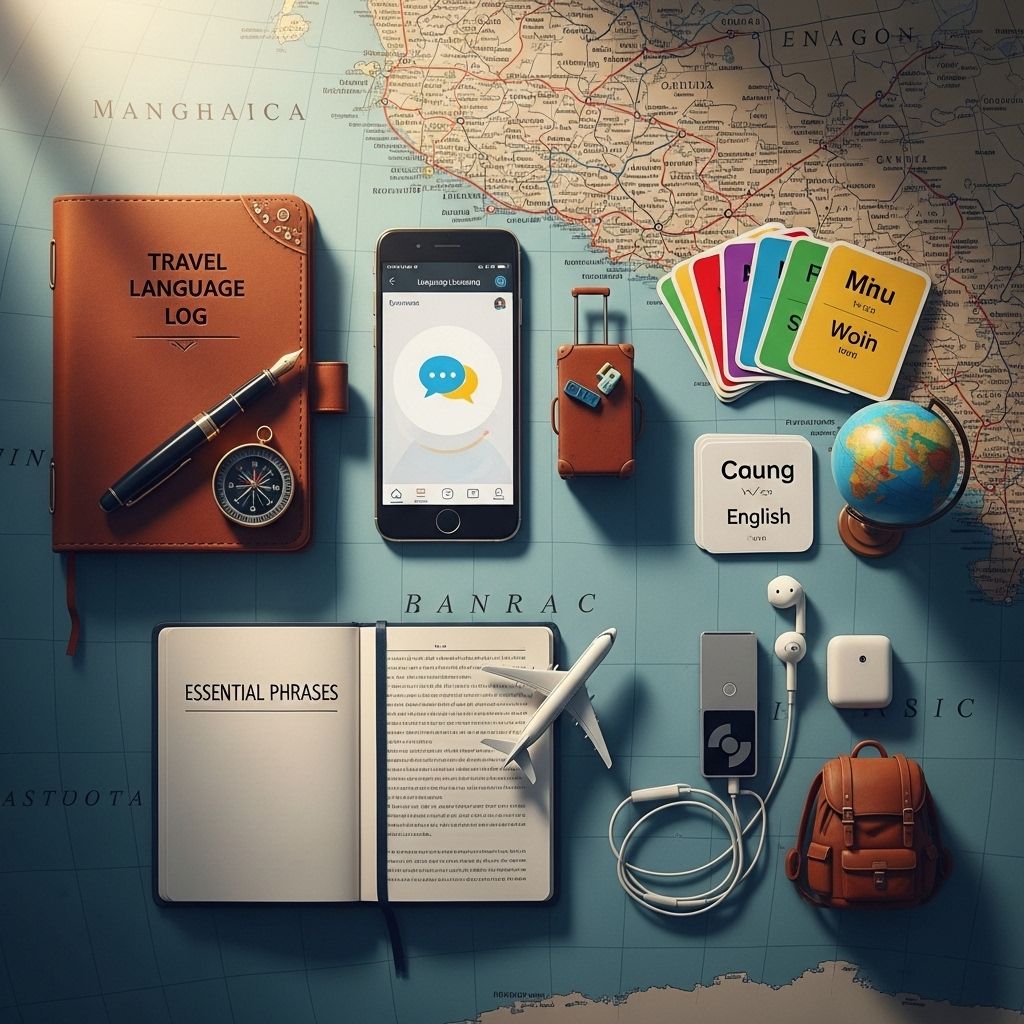
Traveling the world is an exhilarating experience that opens doors to new cultures, traditions, and languages. For language enthusiasts, the ability to communicate with locals can significantly enhance their travel experience. Fortunately, technology provides an array of tools that can make mastering a new language easier, even while on the go. In this article, we will explore five essential tools that every traveler should consider to improve their language skills.
Traveling the world offers a unique opportunity to immerse yourself in new languages, but mastering them requires the right tools. From translation apps to language learning platforms, having essential resources at your fingertips can enhance your experience and communication. For those looking to present their language skills professionally, see how to use 3D mockups effectively as a creative way to showcase your unique journey.
1. Language Learning Apps
Language learning apps have revolutionized the way we acquire new languages. These mobile applications are designed to help users learn at their own pace, making them perfect for travelers. Here are some popular options:
- Duolingo: A fun and interactive way to learn languages through games and quizzes.
- Babbel: Focuses on real-life conversations and practical vocabulary.
- Busuu: Offers a community of native speakers for language exchange.
Why Use Language Learning Apps?
Language learning apps offer several advantages for travelers:
- Accessibility: Learn anytime, anywhere with just your smartphone.
- Customizable: Choose lessons that fit your schedule and interests.
- Engagement: Gamified elements keep learners motivated.
2. Translation Tools
When you’re in a foreign country, and you find yourself struggling to communicate, translation tools can be a lifesaver. These tools can help bridge the language gap quickly and effectively. Some top choices include:
- Google Translate: Offers text, voice, and even image translation.
- iTranslate: Known for its voice translation capabilities.
- Microsoft Translator: Allows real-time translation of conversations.
Features to Look for in Translation Tools
When choosing a translation tool, consider the following features:
| Feature | Google Translate | iTranslate | Microsoft Translator |
|---|---|---|---|
| Offline Capabilities | Yes | Yes | Yes |
| Voice Translation | Yes | Yes | Yes |
| Image Translation | Yes | No | Yes |
3. Language Exchange Platforms
Connecting with native speakers is one of the most effective ways to learn a language. Language exchange platforms facilitate this connection by allowing users to practice with each other. Here are some noteworthy options:
- Tandem: Connects learners with native speakers through text, voice, and video chats.
- HelloTalk: A social networking app designed for language learners.
- Speaky: A platform that pairs users based on languages and interests.
The Benefits of Language Exchange
Language exchange has numerous benefits:
- Real-World Practice: Gain insights into slang and cultural nuances.
- Mutual Learning: Teach others your native language while learning theirs.
- Confidence Building: Improve speaking skills through practice.
4. Audio Resources
For auditory learners, audio resources can be incredibly beneficial. These tools allow you to immerse yourself in the language through listening, which can improve pronunciation and comprehension. Consider these options:
- Podcasts: Look for language-specific podcasts that cater to learners.
- Audiobooks: Enjoy stories in your target language while improving your listening skills.
- Language Learning Audio Courses: Structured lessons that teach vocabulary and grammar through audio.
Top Language Learning Podcasts
Some of the best language learning podcasts include:
- Coffee Break Spanish: Aimed at beginners with episodes that cover essential phrases.
- Language Transfer: Focuses on the structure of the language for better understanding.
5. Virtual Language Tutors
Hiring a virtual language tutor can provide personalized learning experiences tailored to your needs. These services often include one-on-one sessions via video chat, allowing you to practice in a focused setting. Popular platforms include:
- iTalki: Connects learners with teachers for personalized lessons.
- Preply: Offers a variety of tutors specializing in different languages.
- Verbling: Provides live online lessons with professional language instructors.
Advantages of Virtual Tutors
Utilizing virtual tutors has several benefits:
- Tailored Lessons: Get lessons that are customized to your proficiency level and goals.
- Flexible Scheduling: Arrange sessions that fit your travel itinerary.
- Immediate Feedback: Receive constructive criticism that helps you improve quickly.
Conclusion
Mastering a new language while traveling is not only possible but also incredibly rewarding. With the right tools and approaches, you can enhance your communication skills and immerse yourself more deeply in the cultures you encounter. Language learning apps, translation tools, language exchange platforms, audio resources, and virtual tutors all play significant roles in this journey. Embrace these technologies, and you will find that language barriers diminish, allowing for richer and more authentic travel experiences.
FAQ
What are the best tools to learn a new language while traveling?
Some of the best tools include language learning apps like Duolingo, Babbel, and Rosetta Stone, along with travel phrasebooks and language exchange platforms like Tandem.
How can I practice speaking a foreign language while traveling?
You can practice speaking by engaging with locals, using language exchange apps, or joining local language meetups and conversation clubs.
Are there any free resources to learn languages on the go?
Yes, many free resources are available such as Duolingo, Memrise, and BBC Languages, which offer lessons and activities accessible through mobile devices.
What role do language immersion programs play in learning a language while traveling?
Language immersion programs provide an intensive learning experience by surrounding you with native speakers and cultural contexts, accelerating your language acquisition.
Can podcasts help me learn a language while traveling?
Absolutely! Language learning podcasts such as Coffee Break Languages and Pimsleur are great for listening practice and can easily be consumed while on the move.
What are some tips for using translation apps effectively while traveling?
To use translation apps effectively, download offline language packs before traveling, familiarize yourself with common phrases, and practice pronunciation features to enhance communication.