Profit from Your Photos: A Complete Licensing Guide
Discover how to effectively license your photos for profit with our step-by-step guide, tips, and best practices.

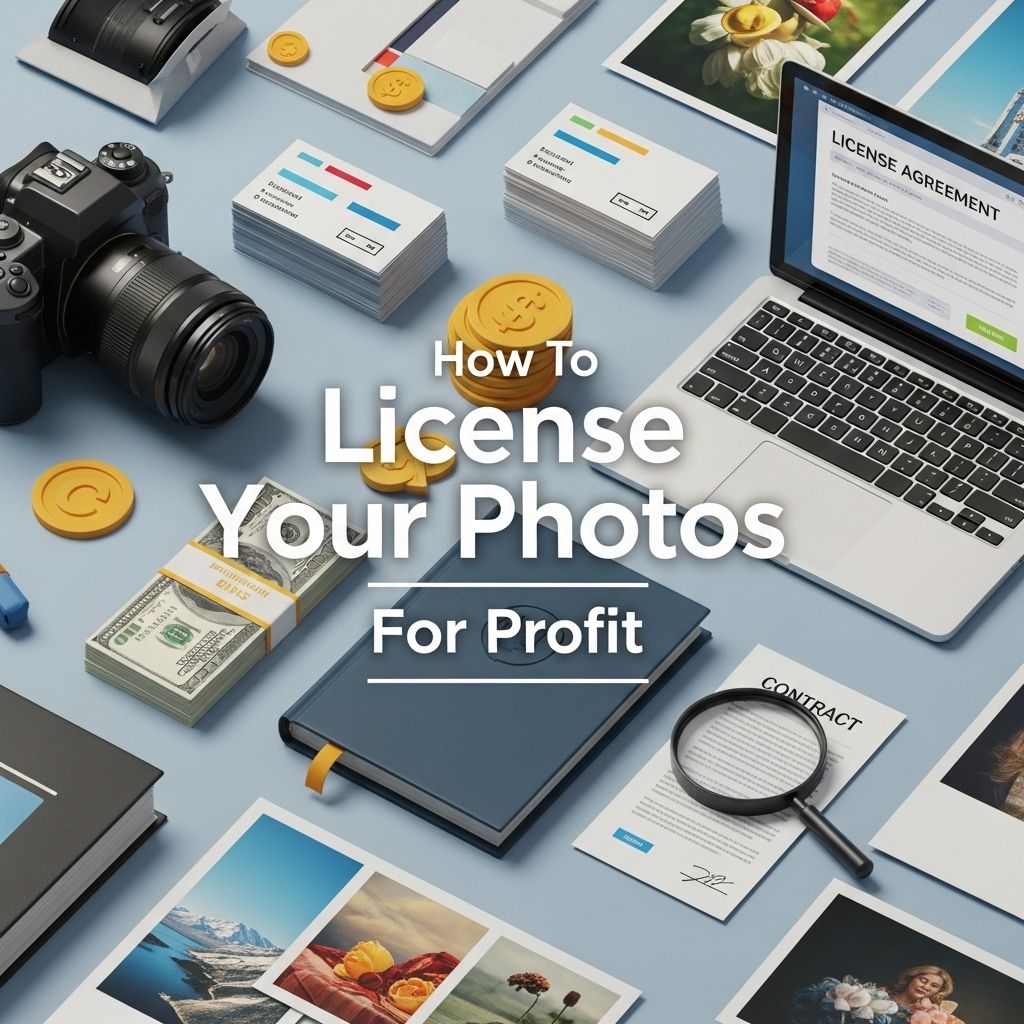
In the digital age, photography has become more than just a hobby for many; it has evolved into a lucrative business opportunity. Whether you are a seasoned photographer or a passionate amateur, licensing your photos can be a powerful way to generate income. Licensing allows you to retain ownership of your images while granting others the right to use them, often for a fee. This article delves into the various avenues through which you can license your photos, the types of licenses available, and tips on maximizing your profit.
In today’s digital landscape, the ability to profit from your photos through licensing has never been more accessible. This complete guide will walk you through the essential steps to understand how to effectively license your work, ensuring you maximize your revenue while protecting your rights as a creator. If you’re looking to elevate your projects, consider incorporating unique assets like find the best 3D logo templates.
Table of Contents
Understanding Photo Licensing
Before diving into the specifics of how to license your photos, it’s important to understand what photo licensing entails. Essentially, licensing is the process of granting permission to another party to use your photographic work under certain conditions. There are different types of licenses, each serving different purposes and audiences.
Types of Photo Licenses
There are primarily two types of licenses photographers can offer:
- Exclusive License: This grants the buyer sole rights to use the image. Once a photo is licensed exclusively, the photographer cannot license it to anyone else.
- Non-Exclusive License: This allows multiple parties to license the same image. The photographer can license the photo to anyone willing to pay.
Understanding these types is crucial in determining how best to market your images.
Where to License Your Photos
There are several platforms and marketplaces that photographers can utilize for licensing their images. Here are some of the most popular:
Stock Photography Websites
Stock photography websites are dedicated platforms where photographers can upload their images for licensing. Some popular stock photography sites include:
- Shutterstock
- Adobe Stock
- Getty Images
These platforms allow photographers to reach a larger audience, but they often take a percentage of the sales as commission.
Personal Website
Creating a personal website can be a highly effective way to showcase your portfolio and offer licensing options directly to clients. It allows you to:
- Control the pricing and licensing terms
- Build a brand identity
- Engage directly with clients
Social Media Platforms
Using social media can help you reach potential clients. Platforms like Instagram and Facebook allow you to share your work widely and can serve as a lead generation tool for licensing opportunities. Ideas include:
- Posting high-quality images with licensing information in the captions
- Engaging with your audience and networking with other professionals
- Using hashtags to attract potential clients
Tips for Pricing Your Photos
Setting the right price for your photos is essential for maximizing profit. Here are some strategies for determining how much to charge:
Research Market Rates
Understanding what others charge for similar images can help you set competitive prices. Look at:
- Comparable stock images on licensing websites
- The quality and uniqueness of your images
- The intended use of the photo (commercial, editorial, personal, etc.)
Consider Your Audience
Different clients will have varying budgets. Tailor your pricing strategy based on whether you are selling to individuals, small businesses, or large corporations.
Offer Package Deals
Creating discounted bundles can be attractive to buyers. For instance:
- Offer a 10% discount for purchasing 5 images
- Provide a subscription model for businesses needing regular content
Marketing Your Licensed Photos
Effective marketing is key to ensuring that your photos reach potential buyers. Here are several strategies to consider:
SEO Optimization
Optimize your images for search engines to enhance visibility. Use relevant keywords in:
- Image file names
- Alt tags
- Photo descriptions
Email Marketing
Building an email list of potential clients can be a great way to keep them informed about new images and licensing opportunities. Tips include:
- Offering a free downloadable image in exchange for email sign-ups
- Sending regular newsletters showcasing your latest work
Networking
Attend photography events, workshops, and trade shows to meet potential clients and other photographers. Building professional relationships can lead to referrals and new opportunities.
Legal Considerations in Photo Licensing
When licensing photos, it’s essential to navigate the legal aspects properly. Here are key considerations:
Model Releases
If your photos feature people, consider obtaining a model release, which grants permission from the subject to use their likeness. This is especially important for commercial use.
Property Releases
Similar to model releases, property releases are necessary if your image features private property. This ensures you have the owner’s consent to license the image.
Copyright Registration
While your images are automatically protected by copyright upon creation, registering them can provide additional legal benefits in case of infringement.
Tracking Your Sales and Adjusting Strategies
Once your images start selling, it’s crucial to track your sales and analyze performance. Use analytics tools provided by stock photography sites or your website to monitor:
- Which images are selling best
- The demographics of your buyers
- Trends in photo licensing
Adjust your strategy based on this data. For example, if certain themes or subjects sell better, focus on creating more content in that area.
Conclusion
Licensing your photos can be a rewarding venture that not only provides income but also allows you to share your artistic vision with a broader audience. By understanding the types of licenses available, utilizing various platforms for distribution, setting competitive prices, and effectively marketing your work, you can maximize your profits. Remember to consider legal aspects and continually analyze your sales strategies to ensure sustained success in your photography business.
FAQ
What is photo licensing?
Photo licensing is the process of granting permission to use your photographs under specific terms and conditions, often in exchange for payment.
How can I license my photos for profit?
You can license your photos for profit by using stock photography websites, directly negotiating with clients, or creating your own website to showcase and sell your work.
What types of licenses can I offer for my photos?
You can offer various types of licenses, including royalty-free licenses, rights-managed licenses, and exclusive licenses, each with different usage rights and pricing.
How do I determine the price for licensing my photos?
Pricing for photo licensing can depend on factors such as the intended use, duration, exclusivity, and market demand. Research similar images to gauge competitive pricing.
Do I need a contract for licensing my photos?
Yes, having a written contract is essential for licensing your photos as it clearly outlines the terms of use, payment details, and legal protections for both parties.
Where can I sell my licensed photos online?
You can sell your licensed photos online through platforms like Shutterstock, Adobe Stock, Getty Images, or by setting up your own e-commerce website.