Launch Your $1,000 Startup Successfully
Discover essential tips and strategies to successfully launch your startup with just $1,000. Start your entrepreneurial journey today!

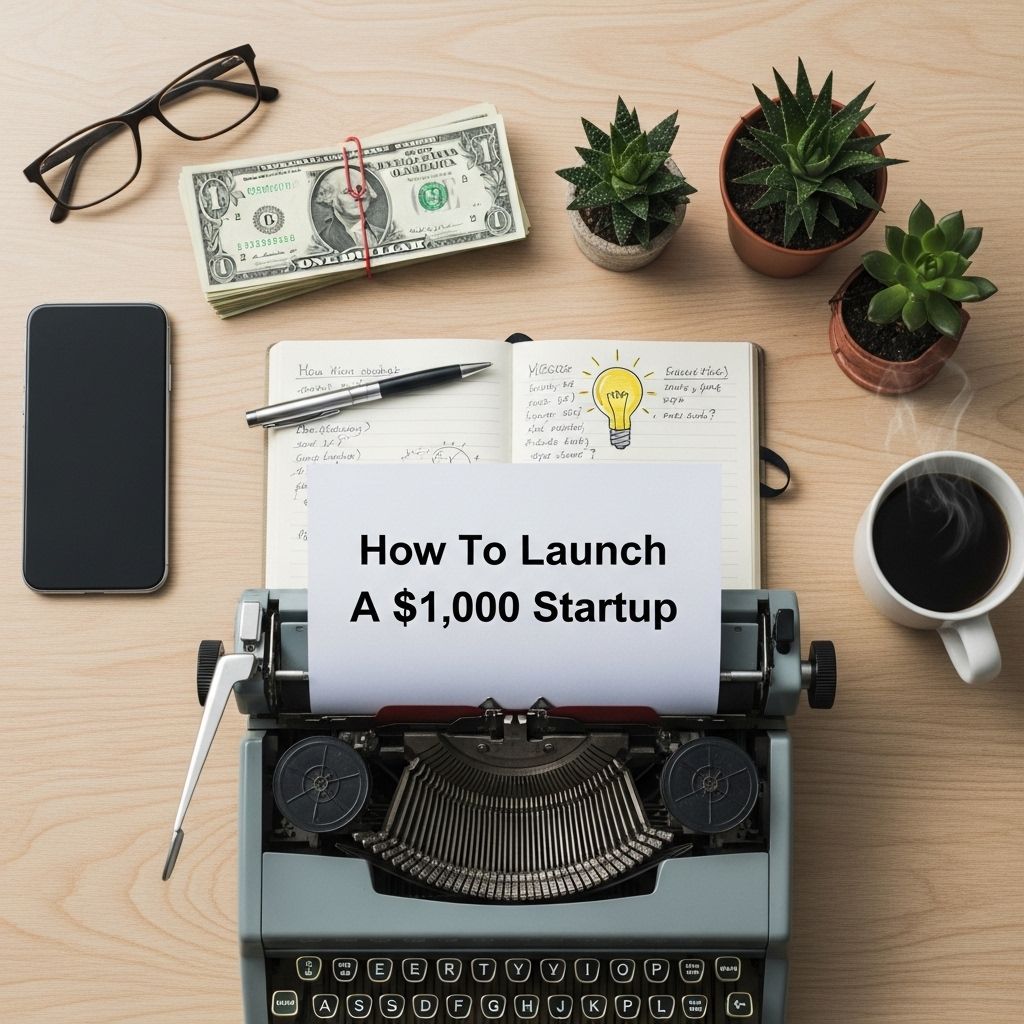
Launching a startup can be one of the most exhilarating and daunting journeys you can embark upon. The allure of building something from the ground up, especially with a limited budget of $1,000, necessitates careful planning, strategic thinking, and an entrepreneurial mindset. This article aims to provide a roadmap for aspiring entrepreneurs looking to create a profitable venture without breaking the bank.
Launching your $1,000 startup successfully requires careful planning and execution, especially in establishing a strong brand identity. Utilizing tools like 3D logo mockups can enhance your visual appeal and draw in potential customers. To explore unique branding options, view 3D logo variations that can help set your startup apart.
Table of Contents
Understanding Your Market
The first step in launching your startup is to understand the market landscape. Identifying a niche or a gap in the market will give your business a competitive edge. Here are several methods to analyze and understand your target market:
1. Conduct Market Research
- Utilize online surveys and feedback tools to gauge consumer interest.
- Examine competitors within your niche to identify their strengths and weaknesses.
- Join online forums or social media groups related to your industry for insights.
2. Define Your Target Audience
Knowing who your customers are is crucial. Create customer personas that outline:
- Demographic details (age, gender, income)
- Interests and pain points
- Buying behaviors and preferences
Crafting Your Business Idea
The idea behind your startup is the heart of your business. Here’s how to refine your business idea:
1. Identify Your Unique Selling Proposition (USP)
Your USP is what makes your product or service stand out from the competition. Ask yourself:
- What problem is my business solving?
- What makes my solution different or better?
- How can I deliver this solution efficiently?
2. Validate Your Idea
Before investing too much time or money, it’s crucial to validate your business idea:
- Build a landing page explaining your product and collect emails of interested customers.
- Launch a minimal viable product (MVP) to test market response.
- Engage in social media advertising to gauge interest.
Creating a Business Plan
A well-thought-out business plan serves as a roadmap for your startup’s growth. Here’s what to include:
1. Executive Summary
This section summarizes the business concept, mission, and the vision that drives your startup.
2. Market Analysis
Detail your research findings, target audience, and competitive landscape.
3. Marketing Strategy
Outline how you will attract and retain customers. Consider:
- Social media marketing
- Email marketing campaigns
- Content marketing strategies
4. Financial Projections
Even on a tight budget, it’s crucial to forecast potential income and expenses:
- Estimate your startup costs
- Project monthly expenses and revenue
- Determine your break-even point
Budgeting Your Startup
With a budget of $1,000, careful allocation of resources is key. Here’s a breakdown of where to invest:
| Expense Category | Estimated Cost |
|---|---|
| Business Registration | $100 |
| Website Development | $250 |
| Marketing | $300 |
| Product Development | $200 |
| Miscellaneous Supplies | $150 |
Building Your Brand
Your brand is essential for attracting customers and establishing trust. Here’s how to build a strong brand with limited resources:
1. Design a Logo
Invest in a professional logo design, as it’s a critical visual representation of your brand. Utilize platforms like:
- Fiverr
- 99designs
- Canva (if you prefer DIY)
2. Establish an Online Presence
In today’s digital age, having an online presence is non-negotiable. Consider:
- Creating a professional website
- Setting up social media profiles
- Joining relevant online communities
Launching Your Startup
With everything in place, it’s time to launch. Here are essential steps to ensure a successful launch:
1. Build Hype Before Launch
Generate excitement about your startup through:
- Teasers on social media
- Email newsletters
- Collaborations with influencers
2. Official Launch
Choose an effective launch strategy, such as:
- A virtual launch party
- A promotional offer for early adopters
- Offering free trials or discounts
Measuring Success and Growth
After the launch, it’s essential to track your startup’s performance. Consider the following metrics:
1. Customer Feedback
Always seek customer input to improve your offerings:
- Use feedback forms
- Engage in social media discussions
- Monitor reviews and testimonials
2. Financial Health
Keep an eye on your finances to maintain sustainability:
- Track expenses and revenue closely
- Adjust pricing strategies as needed
- Identify cost-saving opportunities
Conclusion
Launching a startup with a budget of $1,000 is indeed challenging but entirely possible with the right strategy and execution. By understanding your market, refining your business idea, creating a solid business plan, and being resourceful, you can transform your entrepreneurial dreams into reality. Remember to stay adaptable and responsive to market changes, and your startup could not only survive but thrive.
FAQ
What are the first steps to launch a $1,000 startup?
Start by identifying a market need, conducting thorough research, and creating a minimal viable product (MVP) that addresses that need within your budget.
Can I start a business with just $1,000?
Yes, many successful businesses have been launched with limited funds. Focus on low-cost strategies, such as utilizing social media for marketing and working from home to save on overhead costs.
What types of businesses can I start with $1,000?
Consider service-based businesses, online stores, freelance work, or dropshipping, which typically require minimal startup costs.
How can I minimize costs when launching my startup?
Utilize free or low-cost tools, work from home, leverage social media for marketing, and consider bartering services to keep expenses down.
What are some effective marketing strategies for a low-budget startup?
Use social media marketing, content marketing through blogs or videos, networking, and participating in community events to promote your business without spending much.
How important is a business plan for a $1,000 startup?
A business plan is crucial as it helps outline your vision, strategy, and financial projections, guiding you through the launch and growth of your startup.