
5 Innovative Green Energy Ideas for a Sustainable Future
Discover 5 cutting-edge green energy ideas that can transform our approach to sustainability and reduce our carbon footprint effectively.
As the world grapples with the urgent need to combat climate change and reduce our carbon footprint, innovative green energy solutions are emerging as vital components in the transition to a sustainable future. These ideas not only harness renewable resources but also present opportunities for technological advancements and economic growth. In this article, we will explore five innovative green energy ideas that have the potential to reshape our energy landscape.
As the world grapples with climate change, innovative green energy solutions are more crucial than ever. From harnessing ocean currents to exploring advanced biofuels, these ideas represent a promising shift towards a sustainable future. For those looking to visualize these concepts creatively, check out our 3D mockup collection.
1. Ocean Wave Energy
Ocean wave energy harnesses the power of the sea’s waves to generate electricity. With vast oceans covering over 70% of the Earth’s surface, this energy source is virtually limitless. Here are some key points about ocean wave energy:
- Technology: Devices like oscillating water columns and point absorbers convert wave motion into electrical energy.
- Advantages: High energy density, continuous energy supply, and minimal land use.
- Challenges: High initial costs, durability in harsh marine conditions, and environmental impacts on marine life.
Current Developments
Countries such as Scotland and Australia are leading the way in testing and deploying wave energy projects, with several pilot plants demonstrating the technology’s feasibility.
2. Solar-Powered Desalination
With water scarcity becoming an increasing concern in many parts of the world, solar-powered desalination presents a dual solution: providing fresh water while utilizing renewable energy. This process uses solar energy to evaporate seawater, leaving salts and impurities behind. Key aspects include:
- Efficiency: Solar stills and membrane distillation systems maximize energy use.
- Cost-Effectiveness: As solar technology continues to improve, desalination costs are projected to decrease.
- Environmental Benefits: Reduces reliance on fossil fuels for water purification.
Applications in Arid Regions
This technology is particularly beneficial for arid regions where freshwater resources are scarce. Countries like Saudi Arabia and Israel are implementing large-scale solar desalination plants to secure water supplies.
3. Biogas from Organic Waste
Turning organic waste into biogas is another innovative solution to energy and waste management. Anaerobic digestion processes break down organic materials like food scraps and agricultural waste to produce methane, which can be used for heating and electricity generation. Benefits include:
- Waste Reduction: Diverts organic waste from landfills, reducing methane emissions.
- Energy Production: Provides a renewable source of energy that can be used locally.
- Fertilizer Production: The byproduct of the digestion process can be used as nutrient-rich fertilizer.
Case Studies
Several municipalities in Europe and North America have successfully implemented biogas systems, turning waste into valuable resources while fostering circular economy principles.
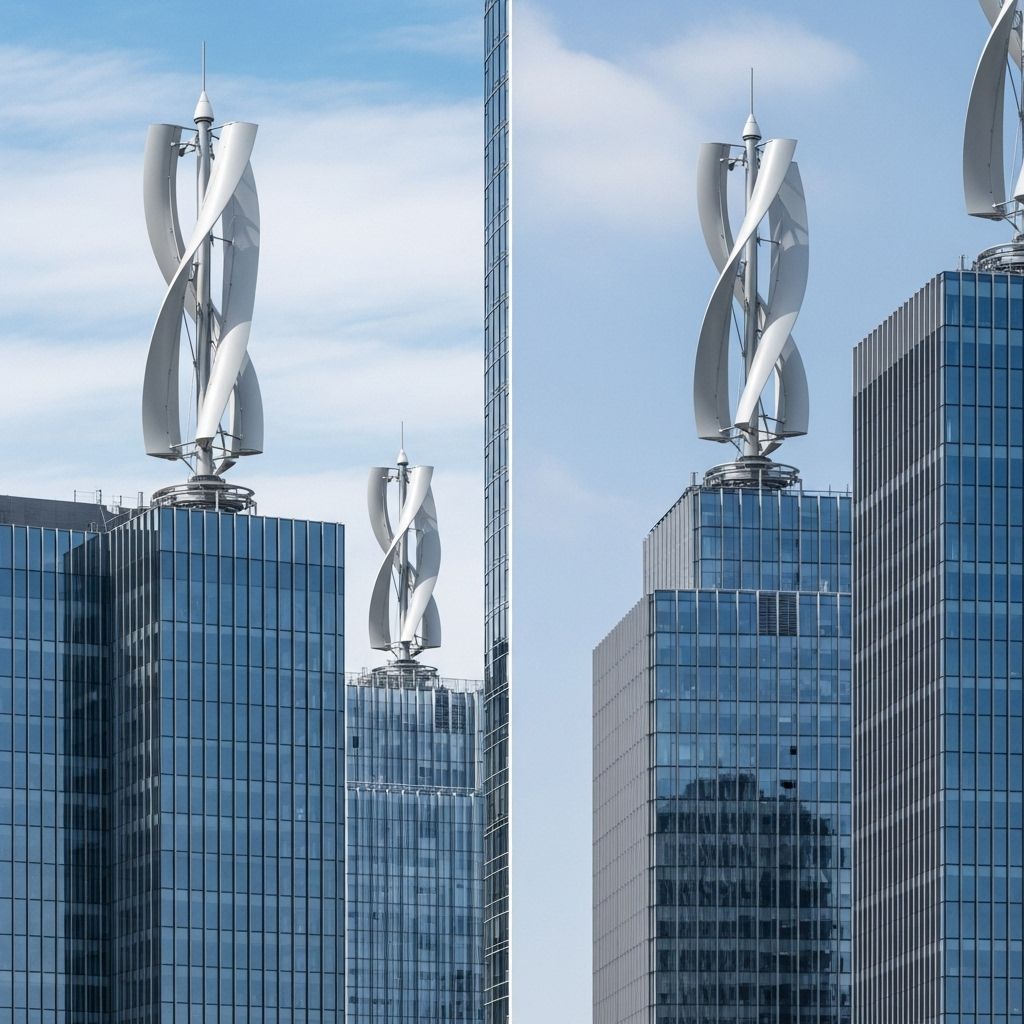
4. Vertical Axis Wind Turbines (VAWTs)
Traditional horizontal axis wind turbines are commonly used for wind energy generation; however, vertical axis wind turbines (VAWTs) offer several advantages, especially in urban environments. Here’s what makes VAWTs noteworthy:
- Design: Their unique design allows them to capture wind from any direction, making them ideal for turbulent urban winds.
- Space Efficiency: Smaller footprint suitable for rooftops and tight spaces.
- Noise Reduction: Generally quieter than traditional wind turbines, making them suitable for residential areas.
Future of VAWTs
With advancements in materials and technology, VAWTs are becoming increasingly viable for both commercial and residential energy solutions. Innovators are exploring hybrid systems that combine VAWTs with solar panels for enhanced energy generation.
5. Hydrogen Fuel Cells
Hydrogen fuel cells convert chemical energy from hydrogen into electricity, with water vapor as the only byproduct. This clean energy technology has gained significant attention due to its versatility and potential applications. Consider the following:
- Transportation: Hydrogen fuel cells can power vehicles, trains, and even ships, providing a cleaner alternative to fossil fuels.
- Energy Storage: Hydrogen can be used to store excess energy from renewable sources, serving as a buffer during low production periods.
- Industrial Applications: Hydrogen is already utilized in various industrial processes, and its use in energy generation is expected to grow.
Challenges and Innovations
Despite its promise, hydrogen fuel cells face challenges such as production costs and efficient storage. Research is ongoing to improve electrolyzer technology and develop sustainable methods for hydrogen production.
Conclusion
The pursuit of innovative green energy solutions is essential for building a sustainable future. Each of the ideas discussed above presents unique advantages and challenges, but they collectively represent a major step forward in reducing our dependence on fossil fuels and addressing the climate crisis. By investing in and developing these technologies, we can create a cleaner, more resilient planet for future generations.
FAQ
What are some innovative green energy ideas?
Some innovative green energy ideas include solar panel roads, bioenergy from waste, offshore wind farms, solar-assisted heating, and algae biofuel production.
How can solar panel roads contribute to green energy?
Solar panel roads can generate electricity from sunlight while providing a durable surface for vehicles, potentially powering streetlights and electric vehicle charging stations.
What is bioenergy from waste?
Bioenergy from waste involves converting organic waste materials into energy through processes like anaerobic digestion, which can produce biogas for heating and electricity.
What are offshore wind farms and their benefits?
Offshore wind farms harness wind energy from turbines located in bodies of water, offering higher wind speeds and less noise pollution compared to onshore installations.
How does solar-assisted heating work?
Solar-assisted heating systems use solar energy to heat water or air, reducing reliance on fossil fuels for heating, thus lowering carbon emissions.
What is algae biofuel and why is it considered sustainable?
Algae biofuel is produced from algae, which can grow rapidly and absorb CO2, making it a sustainable alternative to fossil fuels with a lower environmental impact.