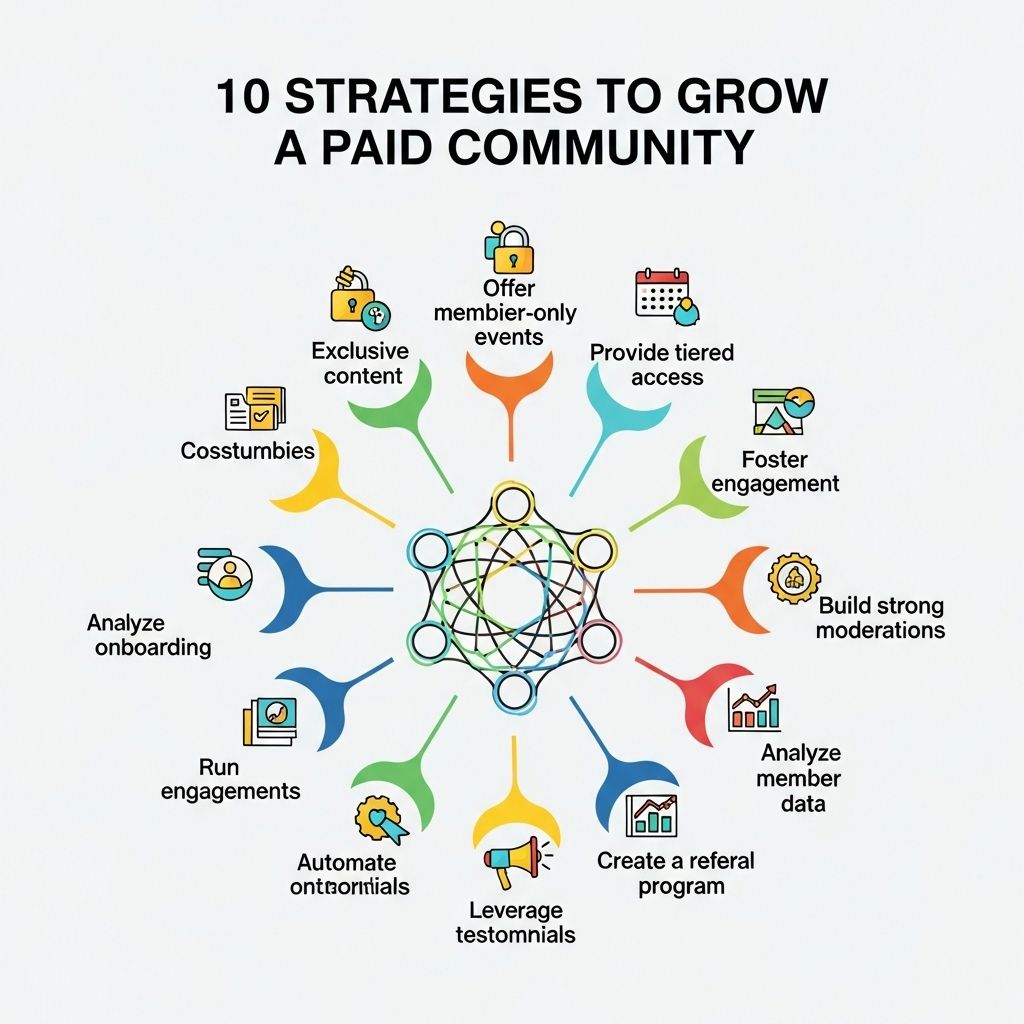
Building a successful paid community is an endeavor that many entrepreneurs and creators aspire to achieve. With the rise of digital platforms and the increasing demand for niche content, it’s now more viable than ever to create a robust income stream by fostering a community around shared interests. This article aims to guide you through the steps necessary to grow your paid community to a potential income of $2,000 per month.
Table of Contents
Understanding Your Target Audience
The first step in establishing a paid community is understanding who you are trying to reach. Engaging with your target audience effectively requires a clear comprehension of their needs, preferences, and pain points. Here’s how you can begin:
Conducting Market Research
- Surveys: Use tools like Google Forms or SurveyMonkey to collect information.
- Social Media Listening: Utilize platforms like Hootsuite or Sprout Social to monitor discussions about your niche.
- Competitor Analysis: Analyze successful communities in your niche to see what they are doing right.
Choosing the Right Platform
The platform you select for your community is critical to its success. Each platform offers unique features that may cater to different audience preferences. Here are some popular options:
| Platform | Best For | Features |
|---|---|---|
| Discord | Gamers and Tech Enthusiasts | Voice channels, text chat, customizable roles |
| Facebook Groups | Casual Communities | Easy user engagement, event management |
| Patreon | Creators and Artists | Tiers for subscription, exclusive content distribution |
| Slack | Professionals and Niche Industries | Integration with tools, private channels |
Creating High-Quality Content
Content is the backbone of your community. To encourage subscribers, provide valuable and engaging content. Here are some types of content you might consider:
Types of Content
- Exclusive Articles and Guides: In-depth articles that offer insights not available elsewhere.
- Webinars: Live discussions with experts can add significant value to your community.
- Workshops: Interactive workshops can facilitate skill-building.
- Podcasts: Interview series or thematic discussions can attract listeners who prefer audio content.
Establishing Pricing Models
When it comes to monetizing your community, setting the right pricing model is essential. Consider the following:
Pricing Strategies
- Monthly Subscription: Charge members a recurring fee for access to content and interactions.
- Tiered Membership: Offer different levels of access based on subscription cost.
- One-time Fees: Charge a single fee for access to specific content, events, or resources.
Example of a Tiered Membership Model
| Tier | Price | Benefits |
|---|---|---|
| Basic | $5/month | Access to exclusive articles |
| Standard | $10/month | Access to articles + monthly webinars |
| Premium | $20/month | All previous benefits + one-on-one mentoring |
Marketing Your Community
Once you have created your community and content, it is crucial to market effectively. Here are several strategies you can utilize:
Social Media Promotion
- Create Teasers: Share snippets of your exclusive content on social media to pique interest.
- Utilize Influencers: Partner with influencers in your niche for shoutouts.
Email Marketing
Building an email list can be invaluable for communication. Tips include:
- Lead Magnets: Offer a free resource in exchange for email sign-ups.
- Regular Newsletters: Keep your community informed and engaged with regular updates.
Engaging With Your Community
Continuous engagement with your community is vital for retention. Here are some effective methods:
Encouraging Interaction
- Discussion Threads: Create threads for community members to discuss topics of interest.
- Polls: Regularly ask for feedback on community content or preferences.
Recognizing Contributions
Acknowledge the contributions of your members to foster loyalty. Consider the following:
- Member Spotlights: Feature active members in your community.
- Rewards: Provide incentives for top contributors, such as discounts or exclusive content.
Monitoring Growth and Making Adjustments
As your community grows, it’s essential to monitor its performance and make necessary adjustments.
Key Metrics to Track
- Membership Numbers: Regularly calculate growth rates.
- Engagement Rates: Monitor post interactions and attendance at events.
- Churn Rate: Evaluate how many members are leaving the community.
Conclusion
Growing a paid community to a $2,000/month income is an achievable goal with the right strategies in place. By understanding your audience, creating valuable content, engaging effectively, and continuously monitoring your progress, you can build a thriving community that not only meets the needs of its members but also provides a sustainable income for yourself. The journey may be challenging, but with persistence and dedication, your community can flourish.
FAQ
What are the best strategies to grow a paid community?
To grow a paid community, focus on creating valuable content, engaging with members regularly, and leveraging social media for promotion. Additionally, consider offering exclusive resources or benefits to paid members.
How can I effectively market my paid community?
Effective marketing of your paid community can be achieved through targeted social media ads, email marketing campaigns, partnerships with influencers, and hosting free webinars or events to showcase the value of joining.
What pricing strategies work best for a paid community?
Pricing strategies can vary, but offering tiered membership levels, introductory discounts, or a free trial period can attract more members while encouraging long-term commitments.
How can I retain members in my paid community?
To retain members, consistently provide valuable content, foster a sense of belonging, solicit feedback, and regularly update members on community developments and success stories.
What platforms are best for hosting a paid community?
Popular platforms for hosting paid communities include Discord, Patreon, Facebook Groups, and specialized community platforms like Circle or Mighty Networks, each offering unique features for engagement and monetization.
How can I measure the success of my paid community?
You can measure the success of your paid community through metrics like member growth rates, monthly recurring revenue, engagement levels, and member retention rates, along with feedback and satisfaction surveys.