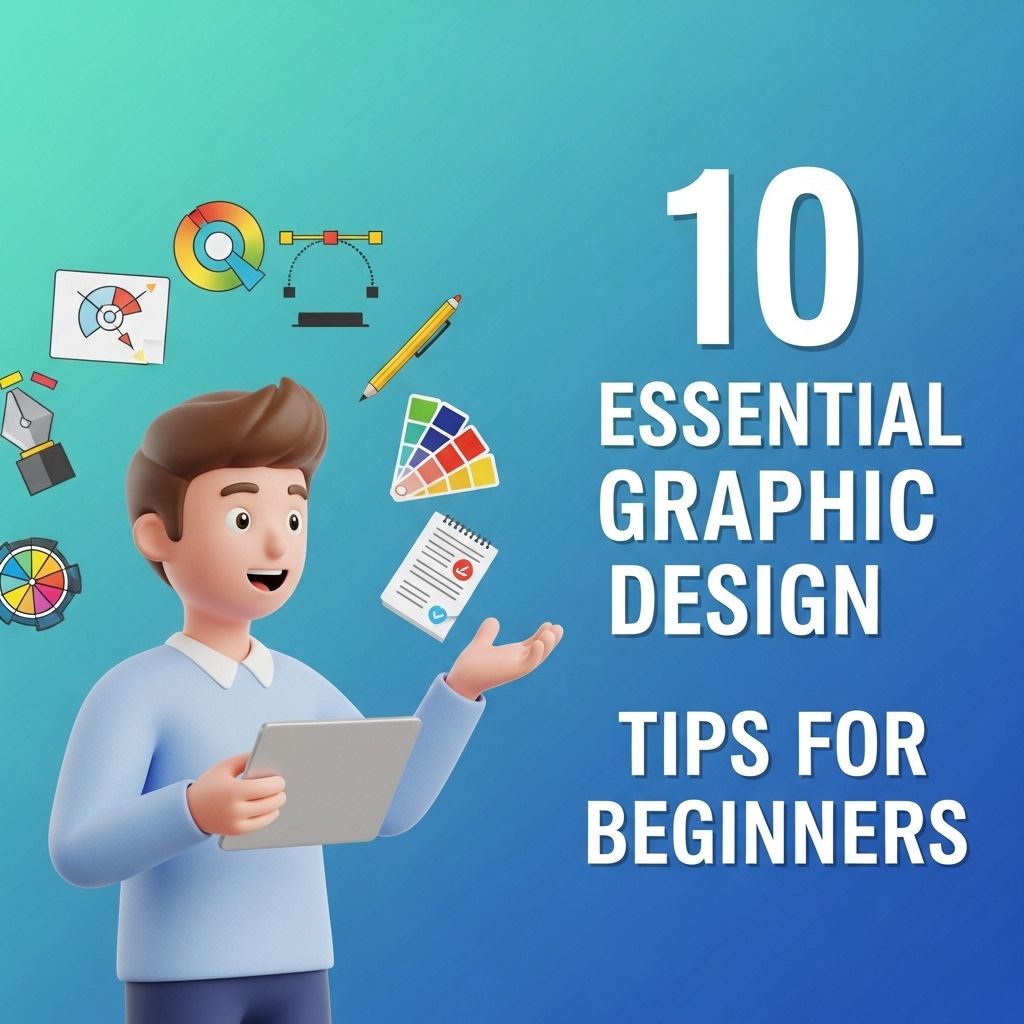
10 Essential Graphic Design Tips for Beginners
Discover 10 essential graphic design tips that every beginner should know to create stunning visuals and enhance their design skills.

Graphic design is a powerful form of visual communication that shapes the way we perceive information. For beginners, diving into the world of graphic design can be both exciting and overwhelming. With endless tools, styles, and techniques at your disposal, it’s easy to get lost in the details. However, mastering a few essential principles can set you on the right path to becoming a proficient designer. In this article, we will explore ten fundamental tips that every novice graphic designer should keep in mind.
Diving into graphic design can be both exciting and overwhelming for beginners. To help you navigate this creative landscape, we’ve compiled 10 essential graphic design tips that will enhance your skills and confidence. Whether you’re designing logos or other graphics, knowing how to find quality logo mockups for your projects can significantly elevate your work.
Table of Contents
1. Understand the Basics of Design
Before you embark on your graphic design journey, it’s crucial to understand the foundational elements that constitute good design. These include:
- Line: The most basic element of design that creates shapes and forms.
- Shape: The geometric figures that can be used in composition.
- Color: The palette that will convey emotions and messages.
- Texture: The surface quality that adds depth and interest.
- Space: The area around and between elements, important for creating balance.
2. Choose the Right Software
There are many graphic design software options available, each catering to different needs. Here are some popular choices:
| Software | Best For |
|---|---|
| Adobe Photoshop | Raster graphics and photo editing |
| Adobe Illustrator | Vector graphics and illustrations |
| Canva | User-friendly design for non-designers |
| Affinity Designer | Affordability with powerful features |
| Inkscape | Free open-source vector graphics |
3. Learn About Color Theory
Color can evoke emotions and influence perceptions, making it a critical aspect of graphic design. Here are some key concepts to grasp:
Color Wheel
The color wheel illustrates the relationships between colors:
- Primary Colors: Red, Blue, Yellow
- Secondary Colors: Green, Orange, Purple
- Tertiary Colors: Combinations of primary and secondary colors
Color Schemes
Using harmonious color schemes can enhance the aesthetic appeal of your designs:
- Complementary: Colors opposite each other on the color wheel.
- Analogous: Colors next to each other on the wheel.
- Triadic: Three colors evenly spaced around the wheel.
4. Pay Attention to Typography
Typography is a fundamental element that significantly affects readability and user experience. Here are some typography tips:
- Choose fonts that match the tone of your design.
- Limit yourself to two or three different fonts to maintain harmony.
- Consider hierarchy by varying sizes and weights to emphasize important text.
5. Keep It Simple
Simplicity is key in graphic design. A cluttered design can distract from the message you want to convey. Here are some tips to maintain simplicity:
- Limit the number of elements on the page.
- Use white space strategically to enhance focus.
- Avoid overly complex graphics that can confuse the viewer.
6. Create a Strong Focal Point
A strong focal point directs the viewer’s attention and simplifies the design. To create one:
- Use contrasting colors to make the focal point stand out.
- Position the focal point according to the rule of thirds.
- Incorporate lines or shapes that lead to the focal point.
7. Stay Consistent with Branding
If you’re designing for a brand, consistency is crucial to build recognition and trust. Here’s how to ensure your designs reflect consistent branding:
- Use the brand’s color palette and fonts throughout all designs.
- Maintain a consistent style in images and icons.
- Familiarize yourself with the brand’s tone of voice and messaging.
8. Gather Feedback and Critique
Seeking feedback from others can provide valuable insights and help refine your work. Here are ways to obtain constructive criticism:
- Share your designs on social media platforms or design forums.
- Join local or online design groups for support and critique.
- Be open to feedback and willing to make changes.
9. Practice, Practice, Practice
The best way to improve your graphic design skills is through consistent practice. Here are some ways to hone your abilities:
- Take on personal projects to experiment with different styles.
- Recreate existing designs to understand their structure.
- Participate in design challenges to push your creativity.
10. Stay Inspired
Inspiration can come from various sources, and finding it can fuel your creative process. Here are some ideas to keep your inspiration flowing:
- Follow design blogs, websites, and social media accounts.
- Attend design conferences and workshops.
- Keep a mood board with clippings and visuals that resonate with you.
In conclusion, mastering graphic design takes time and dedication. By following these essential tips, beginners can build a solid foundation and enhance their creative talents. Remember that every great designer started as a beginner—embrace the learning process, remain curious, and enjoy the journey ahead!
FAQ
What are the basic principles of graphic design?
The basic principles of graphic design include alignment, contrast, hierarchy, balance, repetition, and space. These principles help create visually appealing and effective designs.
How can beginners choose the right color scheme for their designs?
Beginners can choose a color scheme by understanding color theory, using tools like Adobe Color, and considering the emotions they want to evoke in their audience.
What software should beginners use for graphic design?
Beginners can start with user-friendly software like Canva or Adobe Spark, and as they advance, they can explore Adobe Photoshop, Illustrator, or Affinity Designer.
How important is typography in graphic design?
Typography is crucial in graphic design as it affects readability, conveys mood, and enhances the overall aesthetic. Choosing the right fonts can significantly impact the effectiveness of the design.
What are some common mistakes beginners make in graphic design?
Common mistakes include overusing fonts, neglecting white space, poor alignment, and using too many colors. Beginners should focus on simplicity and clarity.
How can beginners improve their graphic design skills?
Beginners can improve their skills by practicing regularly, studying design trends, seeking feedback, and taking online courses or tutorials to learn new techniques.