Setting goals is an essential component of any successful fitness journey. Whether you’re striving to lose weight, build muscle, or enhance your overall health, having clear and actionable objectives can significantly impact your motivation and results. In this article, we will explore ten effective goal-setting techniques that can help you achieve your fitness aspirations and maintain a healthy lifestyle.
Table of Contents
Understanding the Importance of Goal Setting
Goal setting provides direction and purpose in your fitness regimen. It helps you to:
- Clarify your objectives
- Track your progress
- Stay motivated through challenges
- Improve your focus on what matters
1. Define SMART Goals
The SMART criteria is a widely-used framework for setting effective goals. Each goal should be:
- Specific: Clearly define what you want to achieve.
- Measurable: Ensure that you can track your progress.
- Achievable: Set realistic goals that are attainable.
- Relevant: Align your goals with your broader fitness ambitions.
- Time-bound: Set a deadline to create urgency.
Example of a SMART Goal
Instead of saying, “I want to get fit,” a SMART goal would be, “I will run a 5k in under 30 minutes within the next three months.”
2. Break Down Larger Goals into Smaller Steps
Big goals can feel overwhelming. To combat this, break them down into smaller, manageable milestones. This strategy allows you to focus on incremental achievements, which can boost your confidence and keep you motivated.
Example Breakdown
If your goal is to lose 20 pounds, you can break it down into:
- Lose 5 pounds in the first month.
- Increase workout frequency to 4 times a week.
- Track calorie intake daily.
3. Visualize Your Success
Visualization is a powerful technique used by many successful athletes. Imagine yourself achieving your fitness goals. Create a vision board or write about what your success looks like.
Creating a Vision Board
A vision board can include:
- Images of your fitness role models
- Quotes that inspire you
- Pictures of your goal physique
4. Use the Power of Affirmations
Affirmations are positive statements that can help you overcome self-sabotage and motivate you to persevere. Regularly reciting affirmations can bolster your belief in your ability to achieve your goals.
Sample Affirmations
Some affirmations might include:
- I am strong, capable, and committed to my fitness goals.
- I love taking care of my body and mind.
- Every workout brings me closer to my ideal self.
5. Track Progress with Technology
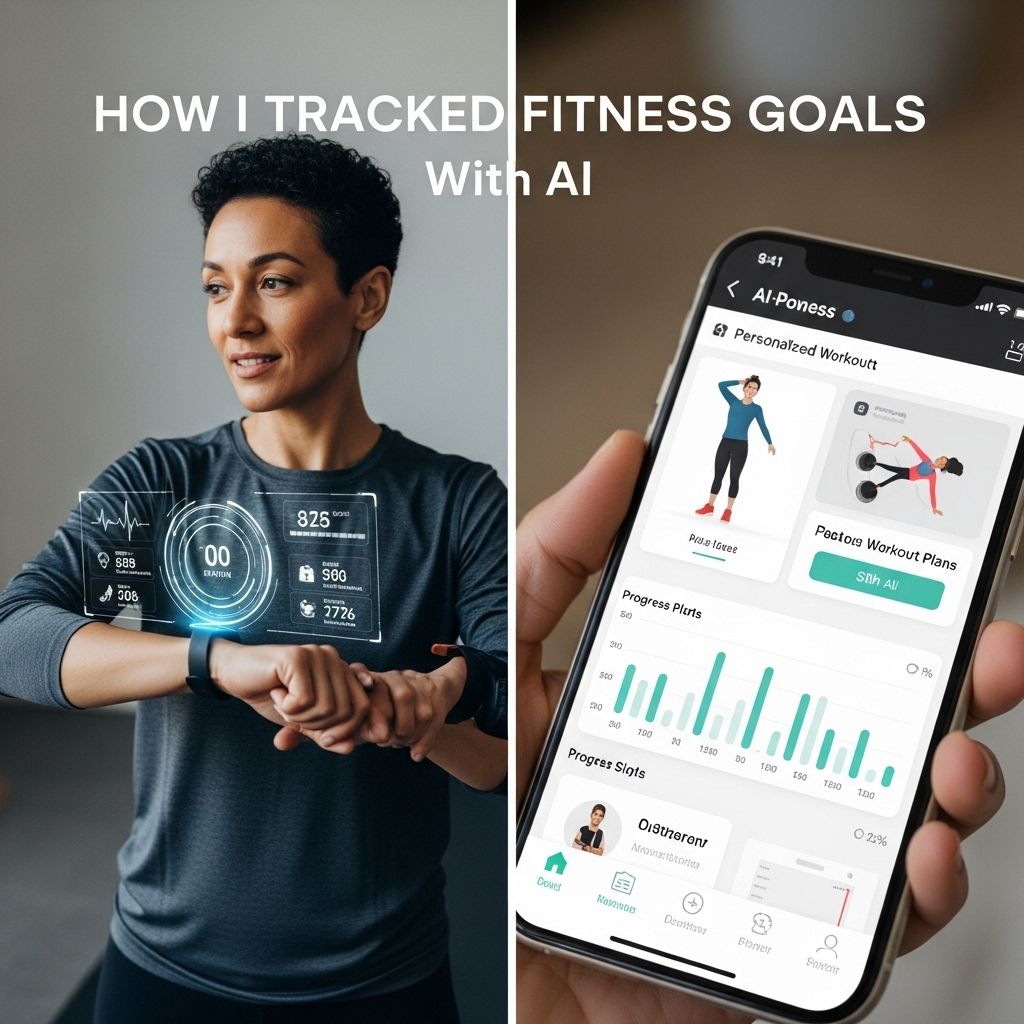
In this digital era, there’s an array of apps and devices designed to help you monitor your fitness progress. Whether it’s a smartwatch, fitness app, or a simple journal, tracking progress keeps you accountable.
Popular Fitness Apps
Consider using:
| App Name | Features |
|---|---|
| MyFitnessPal | Calorie tracking and meal logging |
| Strava | Tracking runs and cycling routes |
| Fitbit | Activity tracking and sleep monitoring |
6. Set Behavior-Based Goals
Instead of focusing solely on outcome goals (like losing weight), set behavior-based goals that target the actions required to achieve those outcomes. This shift in focus emphasizes developing sustainable habits.
Behavior-Based Goal Examples
For instance:
- Attend a fitness class three times a week.
- Prepare healthy meals at home five days a week.
- Drink eight glasses of water daily.
7. Create Accountability
Sharing your goals with others or finding a workout buddy can create a sense of accountability. Informing friends or family about your fitness objectives makes you more likely to stick to them.
Ways to Build Accountability
Consider:
- Joining a fitness group or class.
- Pairing up with a workout partner.
- Using social media to share updates.
8. Celebrate Milestones
Recognizing and celebrating your achievements, no matter how small, is crucial. This practice reinforces positive behaviors and keeps motivation high.
Ways to Celebrate
Celebrate by:
- Treating yourself to a new workout outfit.
- Planning a fun outdoor activity.
- Enjoying a healthy meal at your favorite restaurant.
9. Stay Flexible and Adjust Goals
Life can be unpredictable, and your fitness journey may require adjustments along the way. Don’t be afraid to modify your goals based on your progress or changes in your life circumstances.
Signs You May Need to Adjust Your Goals
If you find yourself:
- Feeling consistently overwhelmed or stressed
- Not seeing any progress after several months
- Experiencing changes in your personal life or routine
10. Reflect and Reassess Regularly
Take the time to reflect on your journey and progress. Regularly reassessing your goals allows you to stay aligned with your aspirations and adapt your strategy as needed.
Questions for Reflection
Ask yourself:
- What accomplishments am I proud of?
- What challenges have I faced, and how did I overcome them?
- Are my goals still relevant and motivating?
Conclusion
Implementing effective goal-setting techniques can significantly enhance your fitness journey. By utilizing the strategies outlined above, you will not only set achievable targets but also cultivate long-lasting habits that lead to overall health and wellness. Remember to stay committed, adjust as necessary, and enjoy the journey toward your fitness success!
FAQ
What are the best goal setting techniques for fitness?
Some effective goal setting techniques for fitness include SMART goals, visualization, setting short-term and long-term goals, creating accountability partnerships, and tracking progress regularly.
How do I set SMART goals for my fitness journey?
SMART goals are Specific, Measurable, Achievable, Relevant, and Time-bound. For example, instead of saying ‘I want to get fit’, a SMART goal would be ‘I want to run 5 kilometers in under 30 minutes within three months.’
Why is it important to set short-term goals in fitness?
Short-term goals help maintain motivation and provide milestones to celebrate along the way, making it easier to stay committed to long-term fitness objectives.
How can accountability partners help with fitness goal setting?
Accountability partners can provide support, motivation, and encouragement, helping you stay on track with your fitness goals by regularly checking in and sharing progress.
What role does tracking progress play in achieving fitness goals?
Tracking progress allows you to see improvements, identify areas for adjustment, and maintain motivation, ultimately leading to greater success in reaching your fitness goals.
Can visualization techniques enhance my fitness goal setting?
Yes, visualization techniques can enhance goal setting by helping you mentally picture your success, which can increase motivation and commitment to your fitness journey.