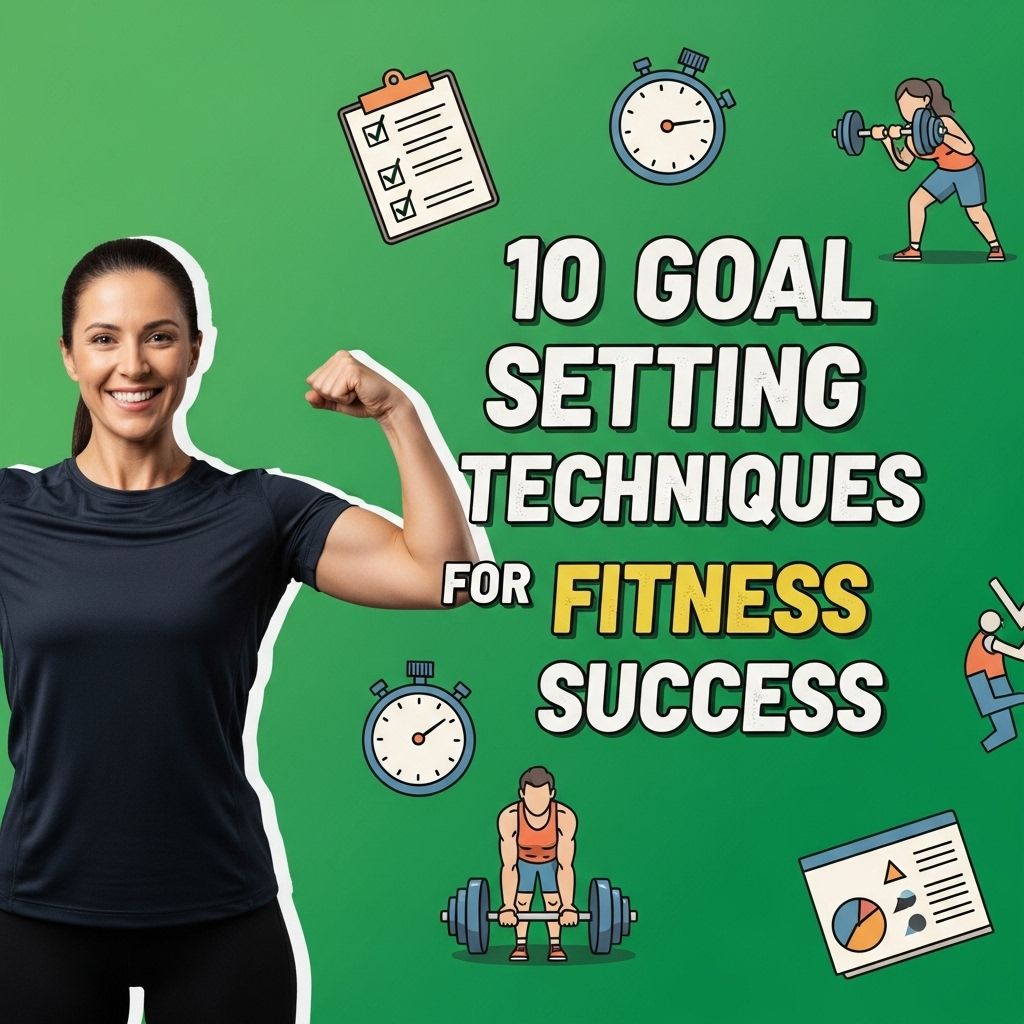
Setting goals is a crucial component of any fitness journey. It provides direction, motivation, and a clear target to aim for. However, not all goals are created equal. To truly succeed in your fitness endeavors, it’s essential to implement effective goal-setting techniques. This article explores ten dynamic strategies that can help you set and achieve your fitness goals.
Table of Contents
1. SMART Goals
The SMART criteria ensure that your goals are clear and reachable. SMART stands for:
- Specific: Clearly define what you want to achieve.
- Measurable: Establish clear criteria for measuring progress.
- Achievable: Set goals that are realistic and attainable.
- Relevant: Ensure that your goals align with your broader fitness aspirations.
- Time-bound: Set a deadline for your goals to create urgency.
2. Long-term vs Short-term Goals
Setting both long-term and short-term goals can maintain motivation and provide a sense of accomplishment throughout your fitness journey.
Long-term Goals
These are overarching objectives that you aspire to achieve over a longer period, such as:
- Running a marathon within the next year
- Losing 20 pounds in six months
- Completing a specific fitness program
Short-term Goals
These are smaller milestones that lead to your long-term aspirations, such as:
- Exercising three times a week for a month
- Incorporating more vegetables into your diet weekly
- Improving your squat form by next week
3. Visualize Your Success
Visualizing your success can be a powerful motivator. Create a vision board with images and words that represent your fitness goals. This can help to reinforce your commitment and keep you focused on your objectives.
4. Write Down Your Goals
Writing down your goals solidifies your commitment. It can also serve as a reminder and allows you to track your progress over time. Consider keeping a fitness journal or using digital apps to document your journey.
5. Create an Action Plan
Having a clear plan of action is essential for achieving your fitness goals. Break your goals down into actionable steps. For instance:
- Identify workouts that align with your goals.
- Schedule your workouts in advance.
- Track your nutrition and monitor your progress.
6. Find an Accountability Partner
Sharing your goals with a friend or joining a fitness group can create accountability. An accountability partner can motivate you to stay on track and make the journey more enjoyable.
7. Celebrate Small Wins
Acknowledge and celebrate your progress, no matter how small. Rewarding yourself for achieving milestones, such as:
| Milestone | Reward |
|---|---|
| Completing a month of workouts | New workout gear |
| Losing 5 pounds | Spa day |
| Improving your run time | Special meal out |
8. Adjust Goals as Needed
Life is unpredictable, and sometimes goals need to be adjusted. If you find a particular goal is too challenging or no longer aligns with your priorities, don’t hesitate to modify it. Flexibility is key to long-term success.
9. Focus on Process Goals
Instead of solely focusing on end results, incorporate process goals into your strategy. These emphasize the actions you need to take, such as:
- Exercising five days a week
- Meal prepping every Sunday
- Drinking eight glasses of water per day
10. Reflect and Reassess
Periodically take the time to reflect on your progress. Ask yourself:
- What have I accomplished?
- What challenges have I faced?
- Am I on track to meet my goals?
Regular reassessment allows you to stay aligned with your objectives and make any necessary adjustments.
Conclusion
Goal setting is an essential strategy on your fitness journey. By applying these ten techniques, you can enhance your chances of success and make your fitness aspirations a reality. Remember, the journey is just as important as the destination. Embrace the process, stay motivated, and celebrate your achievements along the way.
FAQ
What are effective goal-setting techniques for fitness?
Effective goal-setting techniques for fitness include setting SMART goals, breaking down large goals into smaller milestones, using visualization techniques, tracking progress, setting specific deadlines, and staying flexible to adjust as needed.
How can I set SMART goals for my fitness journey?
SMART goals are Specific, Measurable, Achievable, Relevant, and Time-bound. For example, instead of saying ‘I want to get fit,’ a SMART goal would be ‘I will run 3 miles in under 30 minutes within 3 months.’
Why is it important to track my fitness goals?
Tracking your fitness goals helps you monitor progress, stay motivated, identify patterns, and make necessary adjustments to your workout and nutrition plans.
What role does visualization play in achieving fitness goals?
Visualization helps reinforce your commitment to fitness goals by mentally picturing your success, which can enhance motivation and confidence as you work towards achieving your objectives.
How can I stay flexible with my fitness goals?
Staying flexible means being open to adjusting your goals based on your progress, lifestyle changes, or new interests, ensuring that your fitness journey remains enjoyable and sustainable.
What are some common mistakes to avoid when setting fitness goals?
Common mistakes include setting unrealistic goals, focusing too much on outcomes rather than processes, neglecting to celebrate small achievements, and failing to write down or track goals.