Fast-Track Your SaaS Startup Success
Discover proven strategies to quickly build and scale your SaaS startup from the ground up in this comprehensive guide.

In a fast-paced digital world, the Software as a Service (SaaS) model has gained immense popularity among entrepreneurs and businesses alike. With its ability to deliver software solutions via the cloud, SaaS enables companies to reduce costs, improve efficiency, and provide users with flexible access to applications. If you’re considering launching a SaaS startup, this article will provide you with essential strategies to build your venture quickly and effectively.
Fast-tracking your SaaS startup success requires a strategic approach to branding and marketing. One critical aspect is establishing a memorable logo that resonates with your audience. For inspiration, you can view 3D logo variations that could elevate your brand identity.
Table of Contents
Understanding the SaaS Model
The SaaS business model is characterized by its subscription-based approach. Users pay a recurring fee to access the software, which is hosted on the provider’s servers. This model has several advantages:
- Scalability: Easily add or remove users based on demand.
- Predictable Revenue: Monthly or yearly subscriptions provide consistent cash flow.
- Low Entry Costs: Clients don’t need to invest in hardware or extensive IT infrastructure.
Key Components of a SaaS Startup
A successful SaaS startup hinges on several critical components:
- Product Development: Creating a Minimum Viable Product (MVP) that addresses customer pain points.
- User Experience: Ensuring an intuitive interface and seamless navigation.
- Marketing Strategy: Crafting a robust go-to-market strategy to acquire and retain customers.
- Customer Support: Providing exceptional service to enhance customer satisfaction and loyalty.
Steps to Quickly Build Your SaaS Startup
1. Identify a Niche Market
Before diving into product development, conduct market research to identify potential niches that lack effective software solutions. Tools such as surveys, interviews, and competitor analysis can help you gather valuable insights.
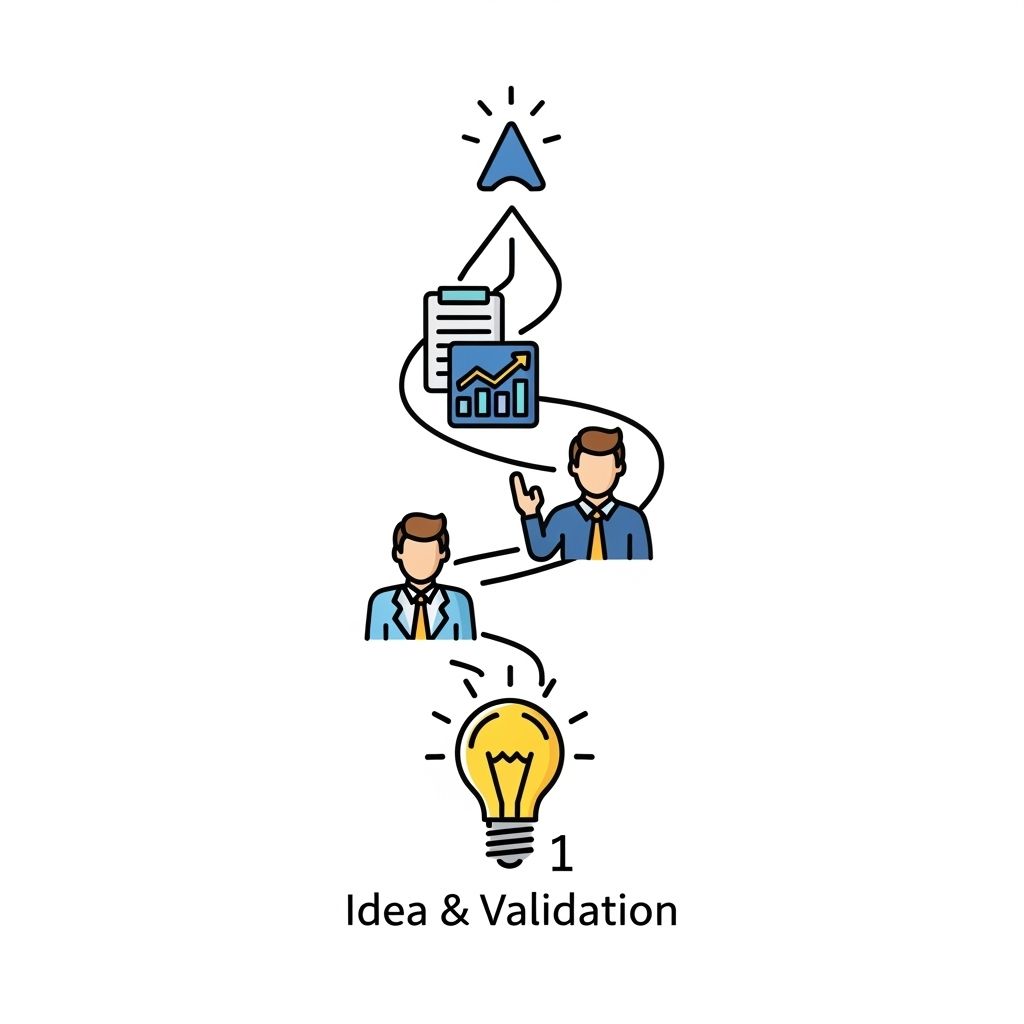
2. Validate Your Idea
Once you have a niche in mind, validate your concept with potential users. This can be achieved through:
- Creating landing pages to gauge interest.
- Running social media polls.
- Utilizing platforms like Product Hunt to test the waters.
3. Develop an MVP
The MVP should focus on core features that solve the main problems of your target audience. This allows you to launch quickly, gather feedback, and iterate based on user input. Consider the following:
| Feature | Importance | User Feedback |
|---|---|---|
| Core Functionality | High | Essential for initial launch |
| User Interface | Medium | Improves user satisfaction |
| Analytics Dashboard | Low | Can be added later |
4. Choose the Right Tech Stack
Your technology choices will impact development speed, scalability, and maintenance costs. Here are popular tech stacks for SaaS:
- Frontend: React, Angular, or Vue.js
- Backend: Node.js, Ruby on Rails, or Django
- Database: PostgreSQL, MongoDB, or MySQL
- Cloud Hosting: AWS, Google Cloud, or Azure
5. Implement a Pricing Model
Pricing strategies can vary widely in the SaaS sector. Here are common models:
- Freemium: Offer basic features for free, charging for premium features.
- Tiered Pricing: Multiple plans with varying features at different price points.
- Flat Rate: Single pricing for all users.
6. Build a Strong Marketing Strategy
Acquiring customers is crucial for your venture’s success. Consider these strategies:
- Content Marketing: Create valuable, SEO-optimized content to drive organic traffic.
- Social Media: Leverage platforms like LinkedIn, Facebook, and Twitter to engage your target audience.
- Email Marketing: Build an email list and regularly update subscribers with valuable insights and offers.
7. Monitor and Improve
After your launch, constantly monitor user feedback and performance metrics. Utilize analytics tools to track user behavior, and make data-driven decisions for product improvements. Consider the following KPIs:
| Metric | Description |
|---|---|
| Churn Rate | Percentage of customers who stop using your service. |
| Customer Acquisition Cost (CAC) | Cost of acquiring a new customer. |
| Net Promoter Score (NPS) | Measures customer satisfaction and loyalty. |
Building a Team
A strong team is essential for the success of your SaaS startup. Here are key roles to consider:
- Product Manager: Oversees product development and strategy.
- Developers: Responsible for coding and technical implementation.
- Marketers: Drives acquisition and brand awareness.
- Customer Support: Ensures user satisfaction and addresses issues.
Hiring Tips
When building your team, consider the following:
- Look for candidates with experience in SaaS.
- Prioritize cultural fit and adaptability.
- Utilize platforms like LinkedIn or AngelList to find talent.
Funding Your SaaS Startup
Securing funding is often a challenge for startups. Here are some options to explore:
- Bootstrapping: Fund your venture using personal savings.
- Angel Investors: Seek individuals willing to invest in exchange for equity.
- Venture Capital: Approach firms that specialize in funding tech startups.
- Crowdfunding: Utilize platforms like Kickstarter to raise funds from the public.
Conclusion
Launching a SaaS startup is an exciting journey filled with challenges and opportunities. By following the strategies outlined in this article, you can build a successful SaaS business quickly. Remember to focus on solving real customer problems, continuously innovate based on feedback, and adapt your strategies as the market evolves. With dedication and the right approach, you can carve a niche for your SaaS solution in the competitive landscape.
FAQ
What are the key steps to build a SaaS startup quickly?
To build a SaaS startup quickly, focus on validating your idea, creating a minimum viable product (MVP), leveraging agile development, and utilizing cloud services for scalability.
How important is market research for a SaaS startup?
Market research is crucial as it helps identify customer needs, competitive landscape, and potential revenue models, ensuring you build a solution that meets market demands.
What are some effective marketing strategies for a new SaaS startup?
Effective marketing strategies include content marketing, search engine optimization (SEO), social media outreach, and offering free trials to attract and convert potential customers.
How can I ensure my SaaS product remains scalable?
To ensure your SaaS product is scalable, use microservices architecture, choose the right cloud infrastructure, and implement automation for processes to handle increased demand efficiently.
What are common pitfalls to avoid when launching a SaaS startup?
Common pitfalls include neglecting customer feedback, overengineering the product, underestimating marketing efforts, and failing to establish a sustainable pricing model.
How can I build a strong team for my SaaS startup?
Building a strong team requires hiring individuals with complementary skills, fostering a collaborative culture, and ensuring clear communication and shared vision among team members.