Crafting Emails That Drive Conversions
Discover essential tips and strategies to create compelling emails that boost conversions and engage your audience effectively.

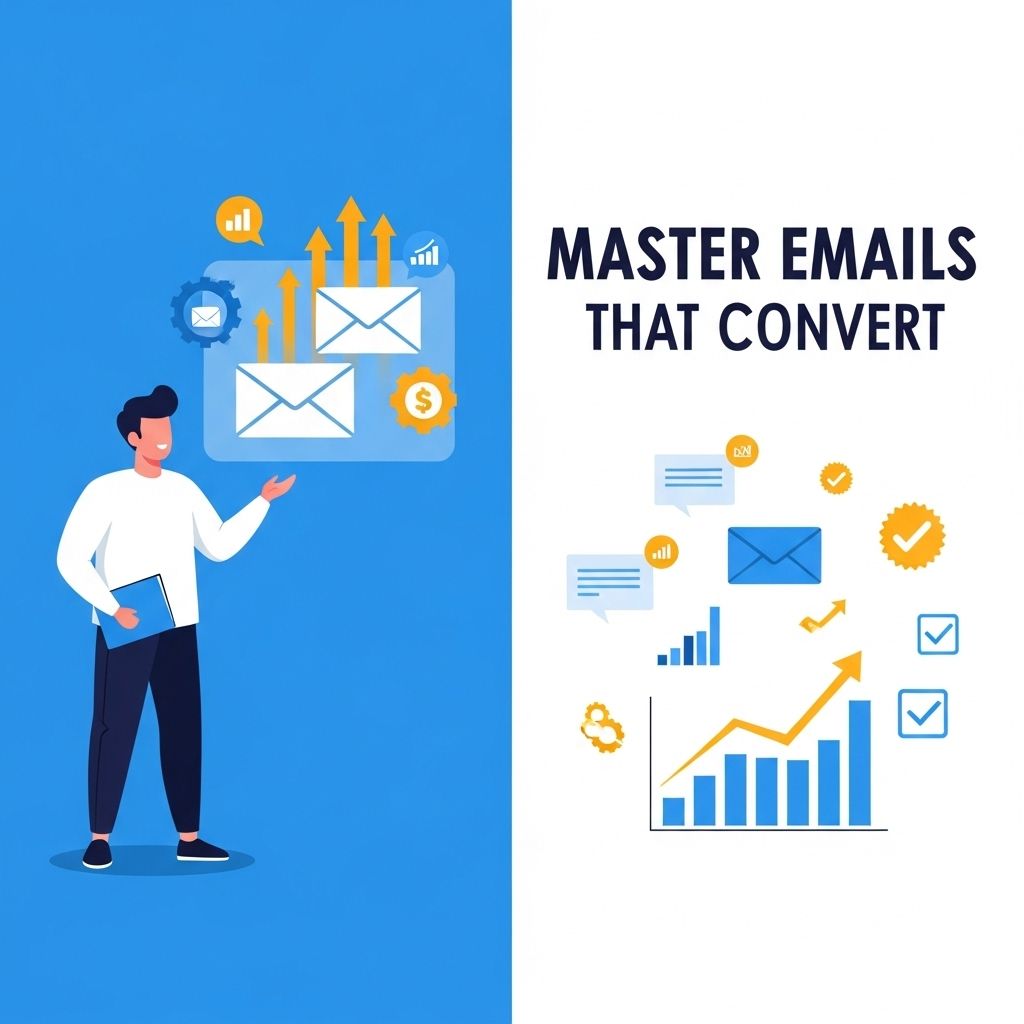
In today’s digital landscape, crafting emails that truly convert is an essential skill for marketers, sales professionals, and business owners. With an overwhelming volume of emails flooding inboxes daily, standing out and capturing your audience’s attention requires more than just a compelling subject line. It involves a strategic approach, a deep understanding of your audience, and the execution of best practices that lead to actionable results.
Crafting emails that drive conversions is an essential skill for any marketer. By focusing on clear messaging, compelling visuals, and strategic calls-to-action, you can engage your audience effectively. For instance, utilizing eye-catching elements like a download stunning 3D logo designs can enhance your email’s appeal.
Table of Contents
Understanding Your Audience
Before you start writing your emails, it’s crucial to understand who your audience is. This understanding will guide your tone, content, and overall messaging.
Segmenting Your Audience
Segmentation allows you to tailor your content to specific groups within your audience. Here are some effective ways to segment your email list:
- Demographics: Age, gender, and location can influence the content you send.
- Behavior: Track user interactions with your emails and website to segment based on engagement.
- Customer Journey Stage: Different stages (awareness, consideration, decision) require different messaging.
- Purchase History: Tailor emails based on past purchases or interests.
Crafting the Perfect Subject Line
Your subject line is the first thing recipients will see. It should be compelling enough to encourage them to open the email. Here are some tips:
Best Practices for Subject Lines
- Be Clear and Concise: Aim for 5-7 words; avoid jargon.
- Create Urgency: Use phrases like “limited time offer” or “last chance.”
- Personalize: Include the recipient’s name or relevant information.
- A/B Test: Experiment with different subject lines to see what resonates.
Writing Engaging Content
Once your audience has opened your email, the content must deliver value and drive action. Here’s how to achieve that:
Structure Your Email Effectively
A well-structured email is easier to read. Consider the following elements:
- Introduction: Start with a hook that grabs attention.
- Body: Provide valuable content, breaking it into short paragraphs or bullet points.
- Call to Action (CTA): Clearly define the action you want the reader to take.
Using Bullet Points and Tables
Bullet points and tables can make information digestible:
| Format | Use Case |
|---|---|
| Bullet Points | Highlight features or benefits. |
| Numbered Lists | Step-by-step instructions or tips. |
| Tables | Compare products or services. |
Effective Calls to Action
The CTA is the critical element that guides the reader on what to do next. An effective CTA should be:
Characteristics of a Strong CTA
- Action-Oriented: Use verbs like “download,” “register,” or “shop now.”
- Prominent: Make sure it stands out through color and placement.
- Urgent: Encourage immediate action with phrases like “limited spots available.”
Design Matters
The design of your email also plays a significant role in conversion rates. A clean and appealing design can enhance engagement.
Tips for Email Design
- Responsive Design: Ensure your emails look good on any device.
- Branding Consistency: Use colors, fonts, and logos that reflect your brand.
- Whitespace: Use whitespace to avoid clutter and improve readability.
Testing and Analyzing Results
To optimize your email campaigns, testing and analysis are essential.
A/B Testing
A/B testing involves sending two variations of an email to see which performs better. Here’s how to do it:
- Choose One Variable: Test one element at a time (subject line, CTA, design).
- Split Your Audience: Randomly divide your audience into two groups.
- Analyze Results: Use metrics like open rates and click-through rates to determine the winner.
Key Metrics to Monitor
To gauge the success of your email campaigns, track the following metrics:
- Open Rate: Percentage of recipients who opened the email.
- Click-Through Rate (CTR): Percentage of recipients who clicked on a link.
- Conversion Rate: Percentage of recipients who completed the desired action.
- Unsubscribe Rate: Percentage of recipients who opted out.
Conclusion
Crafting emails that convert is a blend of art and science, requiring a deep understanding of your audience, strategic content creation, engaging design, and ongoing analysis. By implementing the strategies outlined in this article, you will not only improve your email engagement but also drive meaningful actions that contribute to your business goals. Remember, the key to success in email marketing lies in continuous learning, testing, and adapting to the ever-changing landscape of digital communication.
FAQ
What are the key components of a high-converting email?
The key components of a high-converting email include a compelling subject line, personalized content, a clear call-to-action, and a professional design.
How can I write a subject line that grabs attention?
To write a captivating subject line, use action-oriented language, create urgency, and consider personalizing it with the recipient’s name or interests.
What role does personalization play in email conversion?
Personalization increases engagement by making the email relevant to the recipient, which can lead to higher open rates and conversions.
How important is the timing of sending emails for conversion rates?
Timing is crucial; sending emails when your audience is most likely to check their inbox can significantly improve open and conversion rates.
What are some common mistakes to avoid in email marketing?
Common mistakes include using generic subject lines, failing to segment your audience, neglecting mobile optimization, and not including a clear call-to-action.
How can I measure the success of my email campaigns?
You can measure the success of your email campaigns through key metrics such as open rates, click-through rates, conversion rates, and overall ROI.