10 Email Campaign Strategies for 2025
Discover the top 10 email campaign strategies for 2025 to enhance engagement and boost conversions effectively.

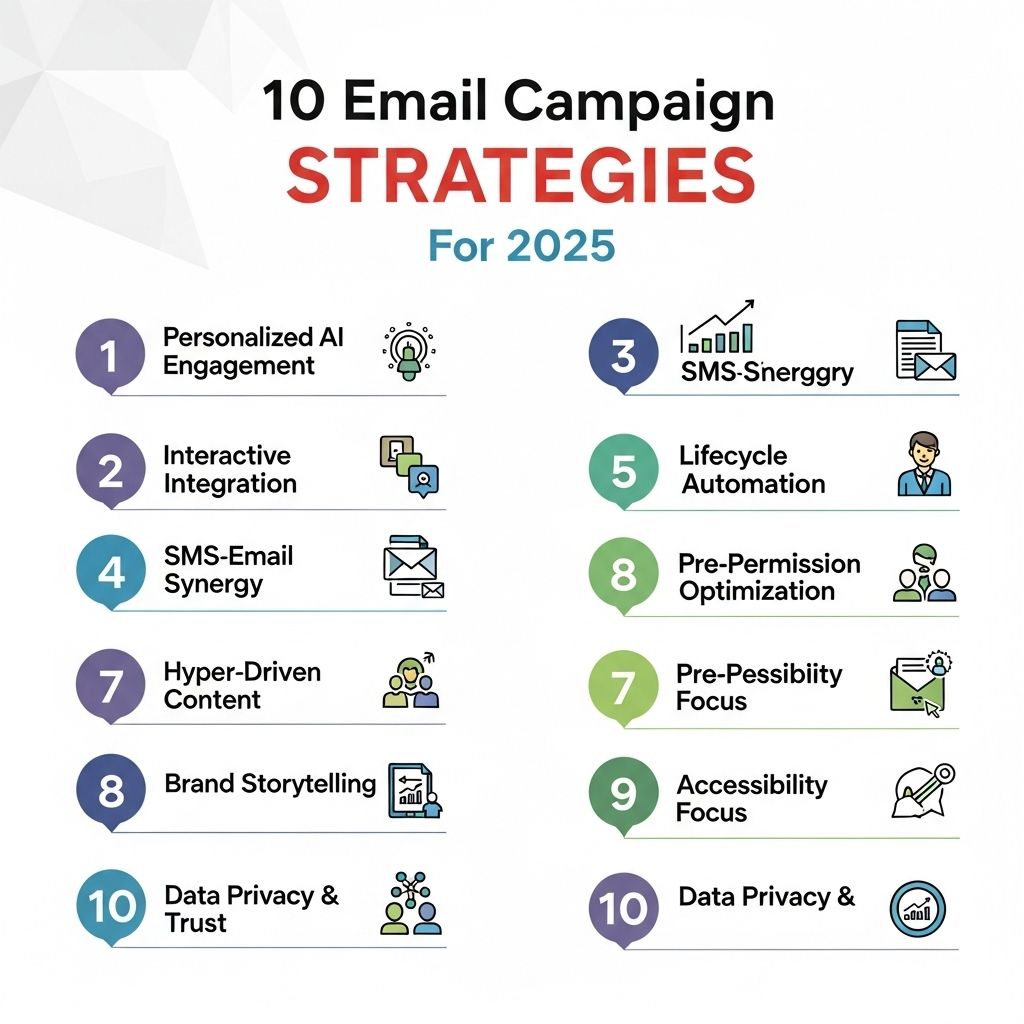
In the fast-evolving world of digital marketing, email remains a powerful tool for businesses to connect with their audience. As we look towards 2025, brands must adapt their email campaign strategies to keep pace with new technologies, consumer behaviors, and trends. This article explores ten innovative email campaign strategies that can enhance engagement, boost conversions, and foster customer loyalty.
As we head into 2025, it’s crucial for marketers to refine their email strategies to keep pace with changing consumer behaviors and preferences. This article explores 10 innovative email campaign strategies designed to enhance engagement and drive conversions in the coming year. To elevate your brand’s visual identity, consider incorporating unique elements like customized graphics; for inspiration, you can download stunning 3D logo designs.
Table of Contents
Understanding the Changing Landscape of Email Marketing
The email marketing landscape is continuously changing, influenced by technological advancements and shifts in consumer preferences. Here are some key factors that will shape email marketing in 2025:
- Increased Personalization: Consumers are expecting personalized experiences that resonate with their individual needs.
- AI and Automation: Automating tasks and leveraging AI for data analysis can streamline email campaigns and improve targeting.
- Mobile Optimization: With more users accessing emails on mobile devices, optimizing designs for mobile is crucial.
- Privacy Regulations: Compliance with data protection regulations such as GDPR and CCPA requires transparent practices in email marketing.
1. Utilize Advanced Segmentation Techniques
Segmenting your audience allows you to tailor content to specific groups, leading to higher engagement rates. Consider the following advanced segmentation methods:
- Behavioral Segmentation: Target users based on their interactions with your emails and website.
- Demographic Segmentation: Use age, location, and gender data to create targeted campaigns.
- Lifecycle Segmentation: Tailor messages based on where customers are in the buying journey.
Example of Segmentation Criteria
| Segment Type | Criteria | Campaign Focus |
|---|---|---|
| New Customers | First-time buyers | Welcome series |
| Inactive Users | No purchases in 6 months | Re-engagement offers |
| High-Value Customers | Top 10% spending | Exclusive promotions |
2. Leverage Artificial Intelligence
AI can significantly enhance your email marketing efforts by optimizing send times, predicting customer behavior, and personalizing content. Here’s how to effectively incorporate AI:
- Predictive Analytics: Analyze past customer behavior to forecast future actions, allowing for timely messaging.
- Content Personalization: Use AI to curate email content based on user preferences and behaviors.
- Automated A/B Testing: Implement AI-driven A/B testing to determine the most effective subject lines, content, and layouts.
3. Prioritize Mobile-First Design
With the majority of email opens occurring on mobile devices, ensuring your emails are mobile-responsive is paramount. Here are some design tips:
- Use a single-column layout for easier scrolling.
- Keep subject lines short and concise.
- Optimize images for faster loading times.
Tools for Mobile Optimization
| Tool | Description |
|---|---|
| Litmus | Testing tool for mobile rendering of emails. |
| Mailchimp | Email service provider with responsive templates. |
| Responsive Design Checker | Tool to visualize emails across different devices. |
4. Embrace Interactive Content
Interactive emails can significantly increase engagement. Consider integrating the following elements:
- Surveys and Polls: Encourage feedback directly within the email.
- Image Carousels: Allow users to swipe through images for a more dynamic experience.
- Countdown Timers: Create urgency for limited-time offers.
5. Focus on Storytelling
Storytelling helps build a connection with your audience. To incorporate storytelling into your emails:
- Highlight Customer Stories: Share testimonials and case studies in your campaigns.
- Use Narrative Techniques: Craft compelling narratives around your product offerings.
- Visual Storytelling: Utilize images and videos to enhance the narrative.
6. Personalize Subject Lines
A personalized subject line can significantly improve open rates. Strategies for crafting personalized subject lines include:
- Using the recipient’s name.
- Referencing past purchases or interactions.
- Creating urgency or exclusivity.
Examples of Personalized Subject Lines
| Personalization Type | Example |
|---|---|
| Name | “[Name], your 20% discount awaits!” |
| Purchase History | “Loved your last purchase? Check out these recommendations!” |
| Behavioral | “We noticed you left something in your cart, [Name]” |
7. Implement Dynamic Content
Dynamic content allows you to show different content to different audience segments within the same email. This leads to a more personalized experience. Implementation strategies include:
- Utilizing customer data to display relevant products.
- Customizing offers based on geographic location.
- Adapting content based on user behavior.
8. Optimize Send Times
Sending emails at the right time is crucial for maximizing open rates. Consider the following approaches for optimizing send times:
- Analyze Engagement Data: Review historical data to find peak engagement times.
- Time Zone Targeting: Schedule emails based on the recipient’s time zone.
- Test Different Times: Conduct tests to find out what works best for your audience.
9. Foster Community through Email
Email can be a powerful tool for building community among your subscribers. Strategies include:
- Creating exclusive groups for subscribers.
- Encouraging user-generated content.
- Hosting online webinars and events.
Community Engagement Ideas
| Activity | Description |
|---|---|
| Webinars | Host live sessions on relevant topics. |
| Feedback Surveys | Gather insights and opinions from your community. |
| Social Media Integration | Encourage sharing of email content on social platforms. |
10. Monitor and Analyze Campaign Performance
Finally, continuously monitor and analyze your email campaign performance. Key metrics to focus on include:
- Open Rates
- Click-Through Rates
- Conversion Rates
- Unsubscribe Rates
Utilize tools like Google Analytics and your email service provider’s dashboard to track these metrics and iterate on your strategies.
Conclusion
Email marketing in 2025 will demand a blend of creativity, technology, and consumer insight. By adopting these ten strategies, businesses can craft compelling email campaigns that drive engagement, conversions, and long-term customer relationships. Stay ahead of the curve and be prepared to adapt as the landscape of email marketing continues to evolve.
FAQ
What are the top email campaign strategies for 2025?
The top email campaign strategies for 2025 include personalized content, automation for timely delivery, segmentation for targeted messaging, interactive elements to boost engagement, and leveraging artificial intelligence for predictive analytics.
How can personalization enhance my email campaigns in 2025?
Personalization enhances email campaigns by tailoring content to individual recipients based on their preferences, behaviors, and purchase history, leading to higher open rates and conversions.
What role does automation play in email marketing for 2025?
Automation plays a crucial role in email marketing by allowing businesses to send timely, relevant messages based on user actions, ensuring consistent communication without manual effort.
Why is segmentation important for email marketing success in 2025?
Segmentation is important for email marketing success as it enables businesses to send targeted messages to specific audience groups, increasing engagement rates and improving overall campaign effectiveness.
How can I incorporate interactive elements into my email campaigns?
You can incorporate interactive elements into your email campaigns by including polls, quizzes, sliders, or clickable buttons that engage recipients and encourage them to interact with your content.
What are the benefits of using AI in email marketing in 2025?
The benefits of using AI in email marketing include improved targeting through predictive analytics, optimized send times based on user behavior, and enhanced content recommendations that resonate with subscribers.