10 Effective Email Marketing Strategies That Work
Discover 10 powerful email marketing strategies that can boost your engagement and conversion rates. Learn what works in today's digital landscape.
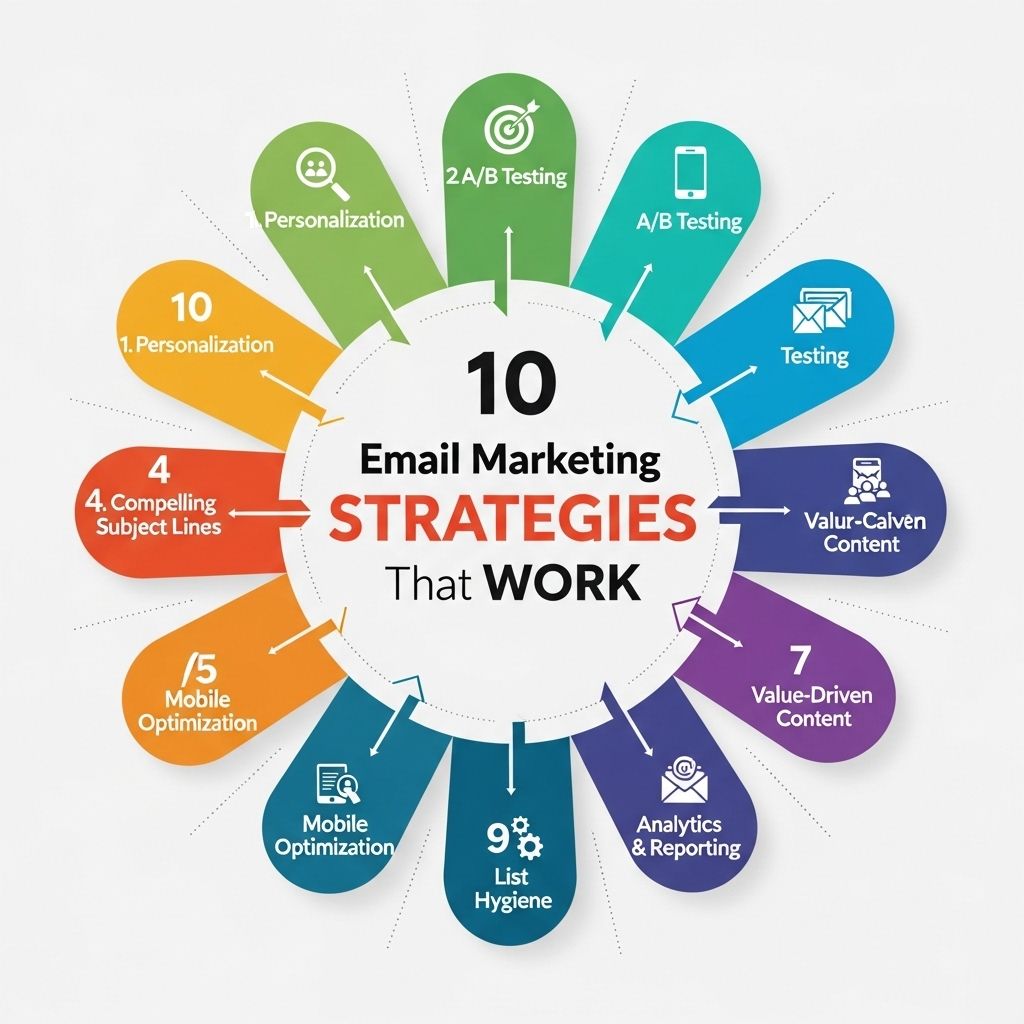
Email marketing remains a powerful tool for businesses to connect with their customers, nurture leads, and drive sales. As digital landscapes evolve, so do the strategies that make email marketing successful. Here, we delve into ten effective email marketing strategies that can help you achieve your business goals.
Email marketing remains one of the most impactful strategies for engaging with customers, but effectiveness relies on employing the right techniques. In this article, we will delve into 10 effective email marketing strategies that can significantly enhance your outreach and conversion rates. To inspire your branding efforts, consider checking out these options to explore our 3D logo mockups.
Understanding Your Audience
The first step in crafting effective email marketing campaigns is to understand your audience. Knowing who they are, what they want, and how they interact with your emails is crucial for success.
Segmentation
Segmenting your email list allows for more personalized communication. Here’s how you can segment your audience:
- Demographic Data: Age, gender, location.
- Behavioral Data: Past purchases, email opens, link clicks.
- Engagement Levels: Active subscribers, dormant users.
Crafting Compelling Content
Content is king, especially in email marketing. Make sure your emails are not only relevant but also engaging.
Personalization
Personalized emails can significantly increase open rates. Strategies include:
- Using the recipient’s name in the subject line.
- Sending tailored content based on past interactions.
- Creating dynamic content blocks that change based on user segments.
Value-Driven Content
Ensure that every email delivers value. This can include:
- Educational content such as how-tos or industry insights.
- Exclusive offers and promotions.
- Invitations to webinars or events.
Designing for Success
A well-designed email can enhance user experience and increase engagement.
Responsive Design
With a significant portion of email opens occurring on mobile devices, it’s essential to use responsive design. Key elements include:
| Element | Description |
|---|---|
| Single-column layout | Ensures easy reading on mobile devices. |
| Large buttons | Facilitates clicks on smaller screens. |
| Clear fonts | Enhances readability across devices. |
Consistent Branding
Maintain brand consistency across your email communications. This includes:
- Using the same color palette.
- Incorporating your logo in the header.
- Utilizing a consistent tone of voice.
Effective Call-to-Actions
A strong call-to-action (CTA) can guide readers toward your desired outcome, whether that’s making a purchase, signing up for a webinar, or visiting your website.
CTA Best Practices
To create effective CTAs:
- Use action-oriented language.
- Make buttons prominent and easily clickable.
- Limit the number of CTAs to avoid overwhelming readers.
Timing and Frequency
Understanding when to send emails and how often can impact your engagement rates significantly.
Best Times to Send Emails
While the best time can vary by audience, general trends suggest:
- Tuesdays and Thursdays tend to see higher open rates.
- Sending emails in the late morning or early afternoon can yield better results.
Finding the Right Frequency
Finding the right balance of email frequency is crucial. Consider the following:
- Weekly Newsletters: Great for consistent engagement.
- Monthly Promotions: Ideal for product launches or special offers.
- Event-Specific Emails: Send reminders leading up to events.
Analyzing and Optimizing
Continuously analyzing your email performance is vital for long-term success. Utilize key performance metrics to guide your optimization strategies.
Key Metrics to Monitor
Focus on the following metrics:
- Open Rates: Indicates subject line effectiveness.
- Click-Through Rates (CTR): Measures content engagement.
- Unsubscribe Rates: Helps you gauge content relevancy.
A/B Testing
Implement A/B testing to optimize your campaigns. Test elements such as:
- Subject lines
- CTAs
- Email layouts
Compliance and Deliverability
Ensuring compliance with regulations such as GDPR and CAN-SPAM is crucial for maintaining your sender reputation and email deliverability.
Best Practices for Compliance
To comply with email regulations:
- Always include an unsubscribe link.
- Obtain consent before sending marketing emails.
- Keep your subscriber data secure.
Improving Deliverability
To enhance your email deliverability, consider:
- Regularly cleaning your email list.
- Using a reputable email service provider.
- Avoiding spam triggers such as excessive punctuation or spammy keywords.
Conclusion
By implementing these ten email marketing strategies, you can create effective campaigns that resonate with your audience, improve your engagement rates, and ultimately drive conversions. Remember that email marketing is not a one-time effort; it requires ongoing testing, analysis, and adaptation to keep pace with changing customer expectations and industry trends.
FAQ
What are the most effective email marketing strategies?
Some of the most effective email marketing strategies include segmenting your audience, personalizing content, optimizing for mobile, utilizing A/B testing, and automating email campaigns.
How can I improve my email open rates?
Improving email open rates can be achieved by crafting compelling subject lines, sending emails at optimal times, and ensuring your sender name is recognizable.
What role does audience segmentation play in email marketing?
Audience segmentation allows you to tailor your messages to specific groups, leading to higher engagement and conversion rates by providing relevant content.
How often should I send marketing emails?
The frequency of sending marketing emails depends on your audience and content, but a good rule of thumb is to send newsletters at least once a month while regularly testing different frequencies.
What metrics should I track in my email marketing campaigns?
Key metrics to track include open rates, click-through rates, conversion rates, bounce rates, and unsubscribe rates to gauge the effectiveness of your campaigns.
How can I ensure my emails are mobile-friendly?
To ensure your emails are mobile-friendly, use responsive design, keep subject lines short, and optimize images and text for smaller screens.