10 Essential Tips for an Impressive Design Portfolio
Discover 10 essential tips to create an impressive design portfolio that showcases your skills and attracts clients effectively.

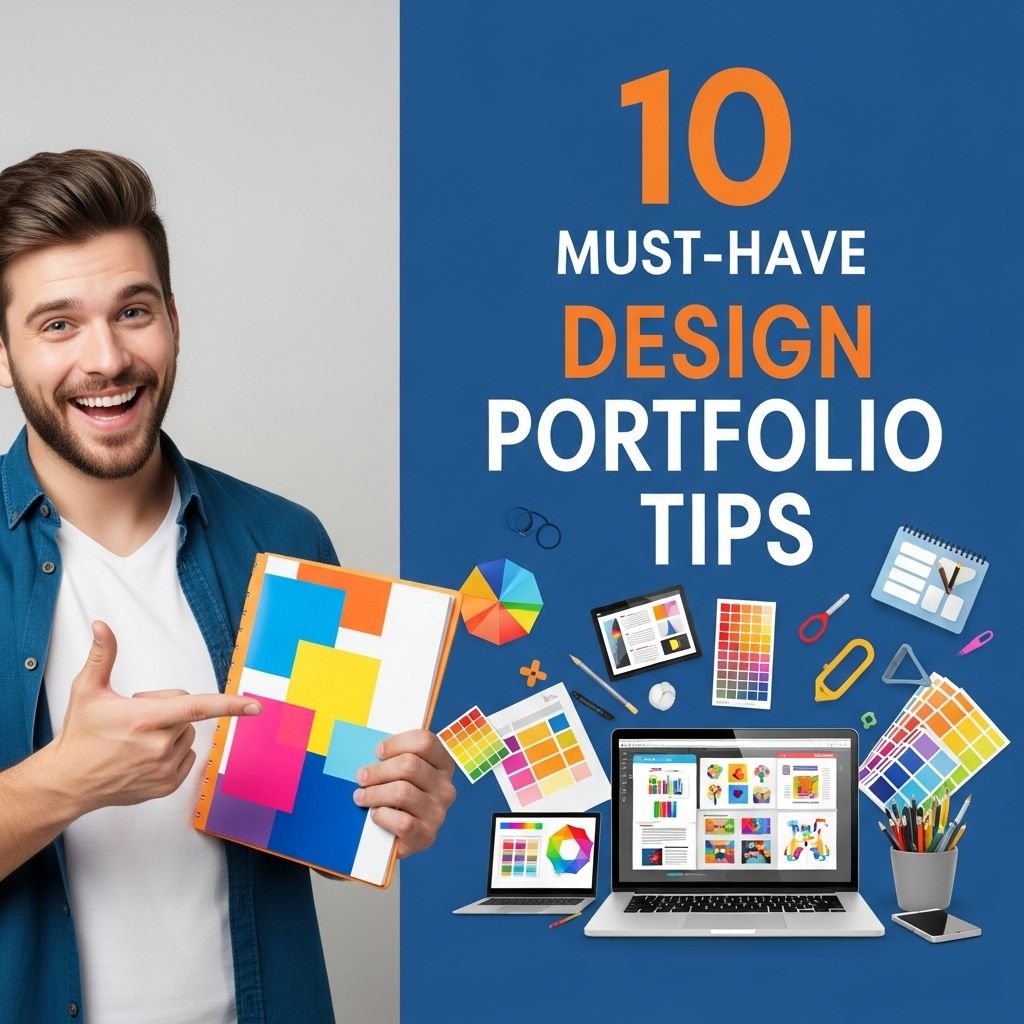
In the competitive world of design, a well-crafted portfolio is essential for showcasing your skills and attracting potential clients or employers. It acts as a personal brand statement, a visual resume that highlights your creativity, technical prowess, and unique value proposition. Below are essential tips to help you build an impressive design portfolio that stands out and effectively communicates your abilities.
Creating a standout design portfolio is crucial for showcasing your skills and attracting potential clients. By following these 10 essential tips, you can effectively highlight your work and demonstrate your unique style. For instance, consider how to find quality logo mockups for your projects to present your designs in a professional manner.
Table of Contents
1. Define Your Target Audience
Understanding who you are designing for can significantly influence the direction of your portfolio. Consider the following points:
- Identify your ideal client or employer.
- Research their preferences and expectations.
- Tailor your portfolio to meet their needs.
Creating Personas
Developing client personas can help clarify your audience’s expectations. For instance:
| Persona | Goals | Pain Points |
|---|---|---|
| Startup Founder | Launch a brand | Lack of design expertise |
| Marketing Manager | Increase engagement | Limited budget |
2. Choose a Template that Reflects Your Style
Your portfolio’s design should align with your personal style and the type of work you produce. Consider these aspects:
- Color palette that complements your work.
- Typography that matches your brand voice.
- A layout that navigates easily.
Popular Design Portfolio Templates
Some popular templates you might consider include:
- Minimalistic Designs
- Grid-Based Layouts
- Single Page Scrolls
3. Showcase Your Best Work
Quality over quantity is the key when selecting pieces for your portfolio. Follow these guidelines:
- Include only 5-10 of your best projects.
- Display a variety of work demonstrating different skills.
- Prioritize recent projects to show current capabilities.
Featured Projects
When detailing each project, consider including:
- Project objective
- Your role in the project
- Tools and methods used
- Visuals (images, videos, or prototypes)
- Outcome or results
4. Tell a Story with Each Project
Each piece in your portfolio should tell a compelling story. Use the following framework:
Story Framework
- Context: Describe the project background.
- Challenge: Explain the problem you aimed to solve.
- Solution: Discuss your approach and execution.
- Results: Share the impact of your solution.
5. Include Case Studies
Going beyond project highlights, case studies offer a deeper understanding of your thought process and problem-solving skills. When creating case studies:
- Use a structured approach similar to storytelling.
- Include visual evidence of your process (sketches, wireframes).
- Highlight feedback and revisions made during the project.
Case Study Example
Consider formatting your case studies like this:
Project Title
Context: Brief overview of the client and project.
My Role: Your responsibilities.
Process: Steps taken, challenges faced, and solutions implemented.
Final Result: Metrics or testimonials to validate success.
6. Make It Easy to Navigate
An intuitive navigation ensures that visitors can easily find the content they are looking for. Keep these tips in mind:
- Use a clear menu structure.
- Incorporate a search function.
- Ensure fast loading times.
Navigation Structure Example
Your portfolio could include:
- Home
- About Me
- Portfolio
- Case Studies
- Contact
7. Optimize for Mobile
With many users accessing portfolios via mobile devices, responsiveness is key. Ensure that:
- Your design scales well on various screen sizes.
- Images load properly without distortion.
- Text remains legible on smaller devices.
Testing for Mobile Responsiveness
Tools like Google Mobile-Friendly Test can help assess your portfolio’s mobile performance. Aim for:
- Fast loading times
- Clickable buttons
- Readable fonts
8. Personal Branding Matters
Your portfolio is an extension of your personal brand. Here are ways to enhance your branding:
- Create a memorable logo.
- Develop a unique color scheme and typography.
- Consistently use your signature style across different platforms.
Elements of Personal Branding
Consider the following elements for a cohesive brand:
- Consistent visuals (logo, colors)
- Unified tone of voice in text
- Standardized presentation formats
9. Leverage Social Proof
Incorporating testimonials and endorsements can enhance credibility and trust. Include:
- Client testimonials with names and companies.
- A section for featured publications or awards.
- Links to successful projects or collaborations.
Displaying Testimonials
Consider a dedicated section for testimonials that can include:
“[Your Name] delivered exceptional work, exceeding our expectations!” – Client Name, Company
10. Update Regularly
Your portfolio should evolve as your skills and experiences grow. Regular updates keep your portfolio relevant. Aim to:
- Add new projects quarterly.
- Remove older works that no longer represent your abilities.
- Revise case studies based on feedback and learning.
Creating a Maintenance Schedule
Plan for regular reviews of your portfolio. A suggested schedule includes:
- Monthly: Update new projects.
- Quarterly: Review overall portfolio design.
- Annually: Reassess target audience and branding.
By implementing these tips, you can create a design portfolio that not only captures attention but also effectively communicates your skills and personality. Start building your portfolio today, and watch it open doors to new opportunities in your design career.
FAQ
What are the essential elements of a design portfolio?
A design portfolio should include a strong introduction, a diverse range of work, case studies, personal projects, and contact information.
How can I make my design portfolio stand out?
To stand out, focus on showcasing unique projects, using a clean layout, and incorporating your personal brand throughout the portfolio.
Should I include personal projects in my design portfolio?
Yes, including personal projects can demonstrate your skills, creativity, and passion for design, especially if you lack professional experience.
What format should my design portfolio be in?
Your design portfolio can be in digital format, such as a website or PDF, or in a physical format, like a printed book, depending on your audience.
How often should I update my design portfolio?
You should update your design portfolio regularly, ideally every few months, to reflect new skills, projects, and industry trends.
What type of work should I include in my design portfolio?
Include a variety of work that showcases your skills, such as branding, web design, illustrations, and any relevant freelance or academic projects.