10 Creative Poster Ideas for College Students
Explore 10 innovative poster ideas that college students can use to enhance their projects, events, and creativity on campus.

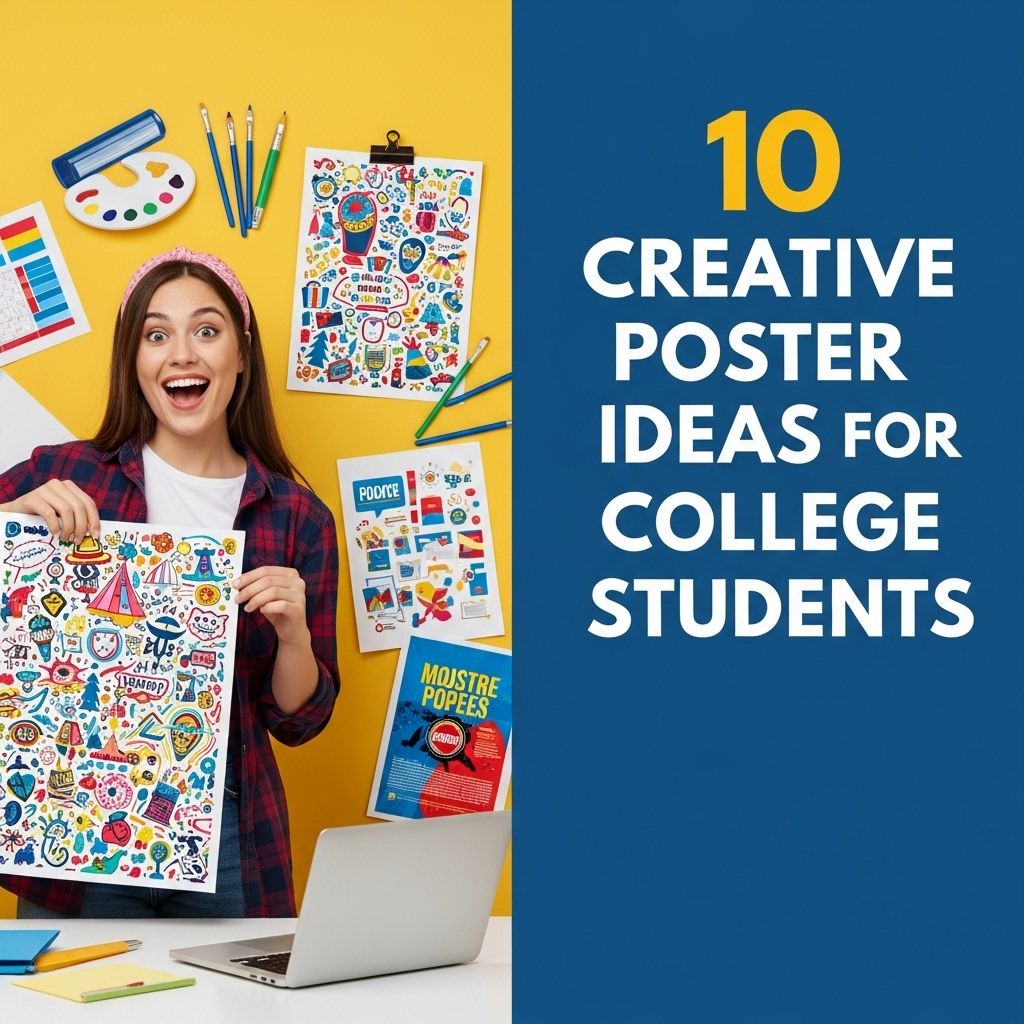
Designing a poster can be a daunting task, especially for college students who may not have much experience with graphic design. However, posters are not just a way to convey information; they are an opportunity to express creativity and engage viewers. In this article, we’ll explore ten creative poster ideas specifically tailored for college students. Each idea aims to inspire and showcase your skills, whether for an event, a class project, or personal expression.
Creating eye-catching posters is essential for college students looking to stand out on campus. Whether for events, promotions, or personal projects, innovative designs can make a significant impact. Explore 10 creative poster ideas that will not only enhance your message but also grab attention, and don’t forget to browse logo mockup templates for inspiration.
Table of Contents
1. Minimalist Design
Embracing a minimalist approach can make your poster stand out. Use negative space effectively to draw attention to key elements. Here are some tips:
- Limit your color palette to two or three colors.
- Use large, bold typography for titles.
- Incorporate simple geometric shapes to guide the viewer’s eye.
Example:
A simple poster for a campus event with a large title at the top, a simple date and time in the center, and a small logo at the bottom can be highly effective.
2. Typography Focus
Typography can play a central role in poster design. Experimenting with different fonts and layouts can yield striking results.
Tips for Typography:
- Choose fonts that reflect the mood of your message.
- Mix and match serif and sans-serif fonts for contrast.
- Consider text alignment (left, center, or right) for impact.
Use quotes or important information as the main visual element, making the text itself the artwork.
3. Infographic Style
Transform data into a visual narrative with infographic-style posters. This approach is particularly useful for academic presentations.
Steps to Create an Infographic Poster:
- Identify the key data you want to share.
- Use icons and visuals to represent information clearly.
- Ensure a logical flow that guides the viewer through the data.
Example:
A poster illustrating the benefits of recycling on campus, complete with statistics and engaging visuals, can effectively communicate your message.
4. Photographic Elements
Incorporating high-quality images can add depth to your poster. Use photography to capture attention and evoke emotions.
Best Practices:
- Choose images that are relevant to your message.
- Ensure high resolution for clarity.
- Overlay text on images carefully, ensuring readability.
Example:
A poster promoting a photography exhibition featuring striking visuals along with the exhibition details can attract more viewers.
5. Hand-Drawn Illustrations
Bringing a personal touch to your poster can be achieved through hand-drawn illustrations. This method adds a unique flair and conveys authenticity.
How to Incorporate Hand-Drawn Elements:
- Sketch your ideas first before digitizing them.
- Use digital tools to enhance your hand-drawn illustrations.
- Combine illustrations with digital typography for a modern look.
6. Vintage or Retro Theme
Vintage designs can evoke nostalgia and attract attention. Consider using retro color schemes, fonts, and graphics.
Key Elements for Vintage Posters:
- Use muted or faded colors for an aged effect.
- Incorporate retro typography and graphics.
- Add texture to give a worn-out look.
Example:
A poster for a themed party featuring a retro design can set the mood and draw interest.
7. Event Countdown
Building anticipation for an upcoming event can be effectively communicated through a countdown poster.
Designing a Countdown Poster:
- Highlight the days remaining until the event.
- Include engaging visuals related to the event.
- Utilize bold typography for the countdown numbers.
8. Color Blocking
Color blocking is a bold design technique that can create eye-catching posters. This technique involves dividing the poster into sections of solid color.
Implementation Steps:
- Select a vibrant color palette.
- Define sections for different types of information.
- Use contrasting colors for text and background for readability.
Example:
A poster featuring different events on campus with each event in a separate color block can be visually appealing.
9. Interactive Elements
Make your poster interactive by incorporating QR codes or augmented reality (AR) features.
How to Include Interactive Features:
- Link a QR code to a website with additional information.
- Use AR apps to let viewers interact with the poster.
- Encourage viewers to participate in a social media challenge related to the poster.
10. Thematic Collage
Creating a thematic collage allows you to blend various elements into a cohesive design. This method is perfect for showcasing various aspects of a theme or topic.
Steps to Create a Collage:
- Gather images, textures, and typography elements related to your theme.
- Arrange them creatively while maintaining a focal point.
- Use color schemes to unify the design.
Example:
A collage poster for a cultural festival featuring food, music, and art from different cultures can be vibrant and inviting.
Conclusion
With these ten creative poster ideas, college students can elevate their design skills and effectively communicate their messages. Whether you choose to go minimalist or create a thematic collage, the key is to focus on clarity, creativity, and engagement. Understanding your audience and the message you want to convey will guide your design process. So grab your design tools and let your creativity flow!
FAQ
What are some creative poster ideas for college students?
Consider using themes like motivational quotes, campus events, study tips, or unique artwork to create eye-catching and engaging posters.
How can I make my poster stand out in a college setting?
Utilize bold colors, interesting fonts, and high-quality images. Incorporating interactive elements, like QR codes linking to additional resources, can also grab attention.
What tools can I use to design a poster?
There are several online tools available such as Canva, Adobe Spark, and Piktochart that offer templates and design features tailored for poster making.
What size should my college poster be?
Standard poster sizes like 24×36 inches or 18×24 inches are commonly used, but make sure to check any specific requirements for events or presentations.
How can I incorporate sustainability into my poster design?
Use recycled materials, opt for digital posters, or design with eco-friendly inks and processes to promote sustainability in your poster projects.
What themes are popular for college event posters?
Popular themes include music festivals, cultural awareness, academic conferences, and community service events, each tailored to engage the student body.