Create Stunning Logos in No Time
Discover quick and effective techniques to design stunning logos that capture attention and represent your brand identity perfectly.
In the digital age, having a striking logo is essential for branding, but creating one can often feel overwhelming. Fortunately, with the right tools and techniques, you can design a stunning logo quickly and efficiently. This guide will walk you through the essentials of logo design, from understanding the fundamentals to utilizing advanced tools that streamline the process.
Creating stunning logos can seem daunting, but with the right tools and inspiration, you can craft professional designs in no time. Explore various resources and templates to elevate your logo creation process and bring your brand’s vision to life. For a great starting point, view the latest logo mockup designs.
Understanding Logo Design Basics
Before diving into the design tools, it’s crucial to grasp the basic principles that guide effective logo design. A logo isn’t just a pretty picture; it’s the face of your brand. Here are some foundational concepts:
Key Principles of Logo Design
- Simplicity: A simple logo is easily recognizable and memorable.
- Versatility: Your logo should look good in various sizes and across different mediums.
- Relevance: Ensure your logo reflects your brand’s identity and resonates with your target audience.
- Timelessness: Aim for a design that will stand the test of time rather than follow fleeting trends.
- Uniqueness: A distinctive logo helps set your brand apart from competitors.
Exploring Logo Design Tools
With a solid understanding of logo design principles, it’s time to explore tools that can help you create logos efficiently. Here are some popular options:
Graphic Design Software
1. Adobe Illustrator
Adobe Illustrator is a professional vector graphics editor widely used for logo design. Its robust features allow for detailed and scalable designs. However, its cost and steep learning curve might be a barrier for some.
2. CorelDRAW
Similar to Adobe Illustrator, CorelDRAW offers a suite of tools for vector graphic design. It’s user-friendly and is favored by many designers for its intuitive interface.
3. Affinity Designer
A more budget-friendly option, Affinity Designer combines vector and raster design capabilities, making it versatile for various projects.
Online Logo Makers
1. Canva
Canva has become a go-to online platform for quick and easy graphic design, including logos. With its drag-and-drop interface and a extensive library of elements, anyone can create a unique logo in minutes.
2. Looka
Looka uses AI to generate logo designs based on your preferences. This tool provides several variations, allowing you to select a logo that resonates with your brand.
3. Wix Logo Maker
A part of Wix’s suite of tools, this logo maker generates designs based on your business needs and aesthetics, making it a solid choice for quick logo creation.
Steps to Create Your Logo
Now that you’re familiar with the tools, let’s break down the steps to create your logo:
Step 1: Define Your Brand Identity
Understanding your brand is the first step to creating a logo that reflects your values and mission. Ask yourself:
- What is the core message of my brand?
- Who is my target audience?
- What emotions do I want my logo to convey?
Step 2: Research Competitors
Analyze your competitors’ logos to identify trends and gain inspiration. Take note of:
- Colors they use
- Typography styles
- Iconography
Step 3: Brainstorm Ideas
With your brand identity defined and competitive landscape understood, start sketching ideas. Consider:
- Different shapes and symbols
- Typography combinations
- Color palettes
Step 4: Choose Your Design Tool
Select the design tool that best suits your needs. For beginners, online logo makers like Canva or Looka are excellent choices. If you’re more experienced, software like Adobe Illustrator or CorelDRAW may be more appropriate.
Step 5: Begin Designing
Utilize the design tool to create your logo. Focus on:
- Creating a balanced composition
- Choosing fonts that enhance readability
- Experimenting with color schemes
Step 6: Seek Feedback
Once you have a few designs, gather feedback from trusted colleagues or potential customers. Use their insights to refine your logo further.
Step 7: Finalize and Export
When you’re satisfied with your design, finalize it and export the logo in various formats (e.g., PNG, SVG, PDF) for different uses.
Examples of Successful Logo Designs
To inspire your design process, let’s take a look at some iconic logos and discuss what makes them successful:
| Brand | Logo | Key Features |
|---|---|---|
| Apple |  | Simple, recognizable silhouette, associated with innovation. |
| Nike |  | Dynamic swoosh that conveys movement and speed. |
| McDonald’s |  | The golden arches are instantly recognizable and symbolize consistency. |
Common Pitfalls to Avoid
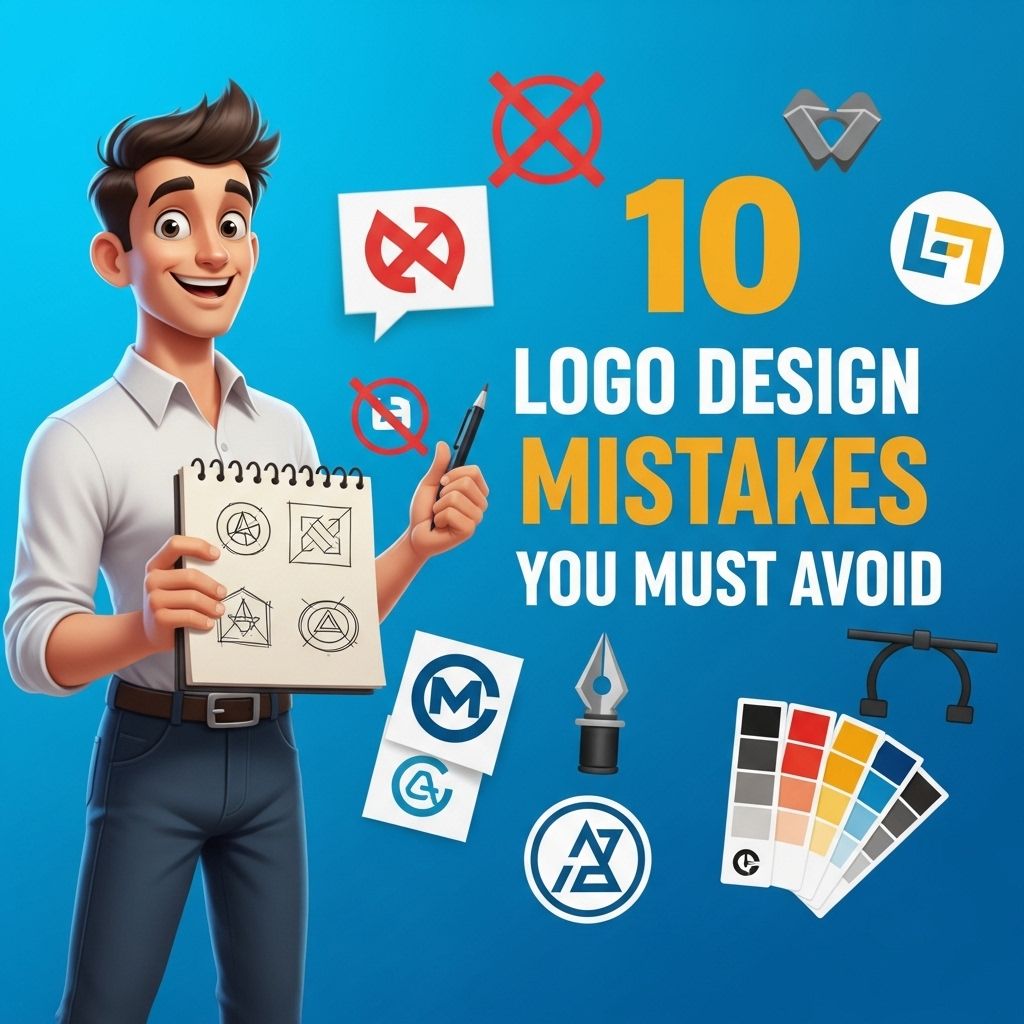
While designing your logo, be mindful of these common mistakes:
- Overcomplication: Complex designs can be difficult to recognize and reproduce.
- Trendy elements: Following trends can date your logo quickly.
- Poor font choices: Ensure that the font is legible and appropriate for your brand.
Conclusion
Creating a stunning logo doesn’t have to be a time-consuming process. By understanding the principles of logo design, utilizing the right tools, and following a clear step-by-step process, you can develop a logo that effectively represents your brand in no time. Remember, a well-designed logo is not just a visual symbol; it’s an integral part of your branding strategy.
FAQ
What are the best tools for creating logos quickly?
Some of the best tools for creating logos quickly include Canva, Adobe Spark, and Looka, which offer user-friendly interfaces and templates.
Can I create a logo without design experience?
Yes, many online logo makers are designed for beginners and require no design experience, allowing you to create stunning logos easily.
What are the key elements of a stunning logo?
Key elements of a stunning logo include simplicity, relevance to the brand, versatility, and a memorable design.
How long does it take to create a logo?
With the right tools and templates, you can create a logo in as little as 30 minutes to a few hours.
Should I hire a professional designer for my logo?
If you have a specific vision or require a unique design, hiring a professional designer may be beneficial, but many templates can also produce great results quickly.
What file formats should I save my logo in?
You should save your logo in multiple file formats, including PNG for web use, SVG for scalability, and PDF for print.