Crafting Cold Emails That Convert: A Step-by-Step Guide
Learn effective strategies for crafting cold emails that not only grab attention but also convert leads into customers.

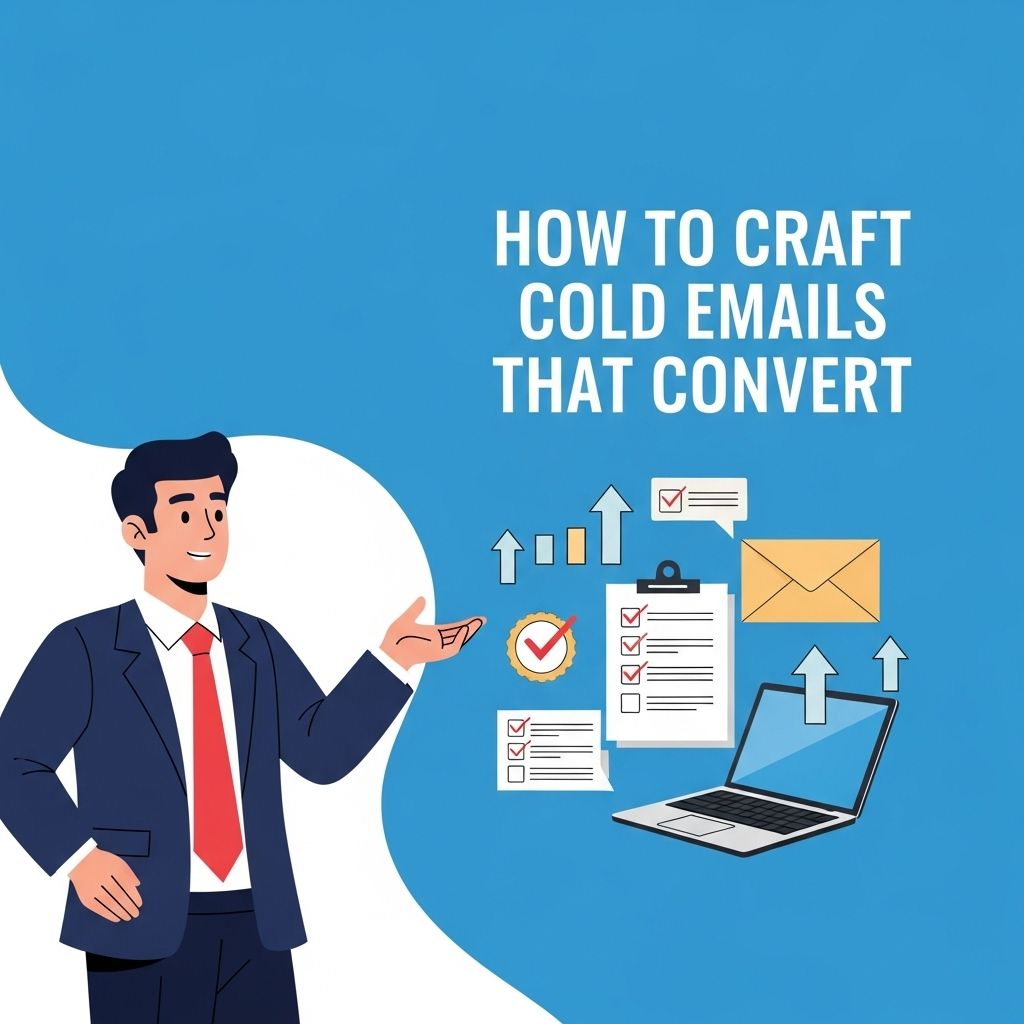
In the fast-paced world of digital communication, crafting a persuasive cold email is an essential skill for professionals seeking to make connections, close deals, or generate leads. The challenge lies in standing out in a crowded inbox while ensuring your message resonates with the recipient. This article delves into effective strategies and techniques to help you create cold emails that not only capture attention but also drive action.
Crafting effective cold emails is a crucial skill that can significantly impact your outreach success. This step-by-step guide will walk you through the essentials of creating compelling messages that engage recipients and drive conversions. Plus, for those looking to enhance their branding, you can download stunning logo mockups to elevate your email visuals.
Table of Contents
Understanding the Basics of Cold Emailing
Before diving into the specifics, it’s crucial to grasp the underlying principles of cold emailing. A cold email is an unsolicited message sent to potential customers or partners who have no prior relationship with the sender. Unlike spam, cold emails are personalized and targeted, aiming to establish a rapport that can lead to a beneficial interaction.
Key Objectives of Cold Emails
- Introduce yourself and your business.
- Establish a connection based on mutual interests.
- Highlight the value you can offer.
- Encourage the recipient to take action (e.g., respond, schedule a meeting).
Crafting the Perfect Cold Email
To create a cold email that converts, follow these structured steps:
1. Research Your Audience
Understanding your target audience is paramount. Tailor your message to resonate with their needs and pain points. Utilize tools and methods such as:
- LinkedIn for professional backgrounds.
- Company websites for insights into their products and services.
- Industry forums for common challenges.
2. Create a Compelling Subject Line
Your subject line is your first impression; make it count. A well-crafted subject line should be:
- Concise and clear.
- Intriguing without being clickbait.
- Personalized, if possible, to increase open rates.
For example:
| Effective Subject Line | Ineffective Subject Line |
|---|---|
| “[Recipient’s Name], Quick Question About [Their Company]” | “You Won’t Believe This Offer!” |
| “How [Your Product] Can Help [Recipient’s Company]” | “Important Update!” |
3. Personalize Your Message
Generic emails are easily ignored. Show that you’ve put in the effort to understand the recipient by:
- Using their name and mentioning their company.
- Relating your offer to something specific about them.
- Including a mutual connection or reference, if applicable.
4. Write a Strong Opening
Your opening lines should grab attention and encourage the recipient to read further. Consider starting with:
- A compliment or acknowledgment of their recent work.
- A brief shared connection or mutual interest.
- A question that sparks curiosity.
5. Clearly Communicate Your Value Proposition
Next, articulate the value you bring to the table. Keep this section focused on benefits rather than features. Use the following structure:
- Identify a problem the recipient faces.
- Present your solution in a clear, concise manner.
- Highlight the benefits they can expect.
Keeping it Concise and Action-Oriented
1. Be Brief
Cold emails should typically be no longer than 150-200 words. Respect your recipient’s time and get to the point:
- Avoid unnecessary jargon.
- Use short paragraphs and bullet points for readability.
2. Include a Clear Call to Action (CTA)
Your email should prompt the recipient to take a specific action. Effective CTAs include:
- “Let’s schedule a call next week.”
- “Can I send you more information?”
- “Are you free for a quick chat on Thursday?”
Follow-Up Strategies
Many cold emails go unanswered. A well-timed follow-up can significantly boost your chances of receiving a response. Follow these guidelines:
1. Timing is Key
Send your follow-up email 3-5 days after your initial message. This gives the recipient time to respond while keeping your email fresh in their mind.
2. Keep It Friendly and Professional
Your follow-up should remind them of your previous email without sounding pushy. For instance:
“Hi [Recipient’s Name], I just wanted to follow up on my previous email regarding [specific topic]. I understand you’re busy, but I believe this could be beneficial for [their company].”
Common Mistakes to Avoid
Even seasoned professionals can falter when sending cold emails. Here are some pitfalls to avoid:
- Being overly aggressive or salesy in tone.
- Neglecting to proofread for grammar and spelling errors.
- Overloading the email with excessive information.
- Failing to personalize the message.
Tools to Enhance Your Cold Emailing
Utilizing the right tools can streamline your cold emailing process and increase effectiveness. Consider integrating:
- CRM software (e.g., HubSpot, Salesforce) for tracking interactions.
- Email automation tools (e.g., Mailchimp, Outreach) for efficient follow-ups.
- Analysis tools (e.g., Yesware, Mixmax) to measure open and response rates.
Conclusion
Crafting cold emails that convert takes practice, research, and an understanding of your audience. With the right approach—tailored messages, clear value propositions, and effective follow-ups—you can significantly enhance your chances of success. Remember, the primary goal is to start a conversation, not to seal the deal in one email. By building relationships through thoughtful communication, you lay the groundwork for future opportunities.
FAQ
What are cold emails?
Cold emails are unsolicited emails sent to potential clients or contacts to introduce products, services, or business opportunities.
How do I write an effective cold email?
Start with a compelling subject line, personalize the message, keep it short and to the point, and include a clear call to action.
What should I avoid in cold emails?
Avoid using jargon, being overly salesy, writing long paragraphs, and neglecting to research your recipient.
How can I increase my cold email response rate?
Increase response rates by personalizing your emails, following up, timing your sends appropriately, and providing value upfront.
What is the ideal length for a cold email?
The ideal length for a cold email is typically between 50 to 150 words, ensuring it is concise and easy to read.
Should I include attachments in my cold emails?
It’s best to avoid attachments in cold emails as they can trigger spam filters; instead, include links to relevant resources.