5 Stunning Color Palette Ideas for Graphic Design
Discover 5 inspiring color palette ideas to elevate your graphic design projects and captivate your audience.
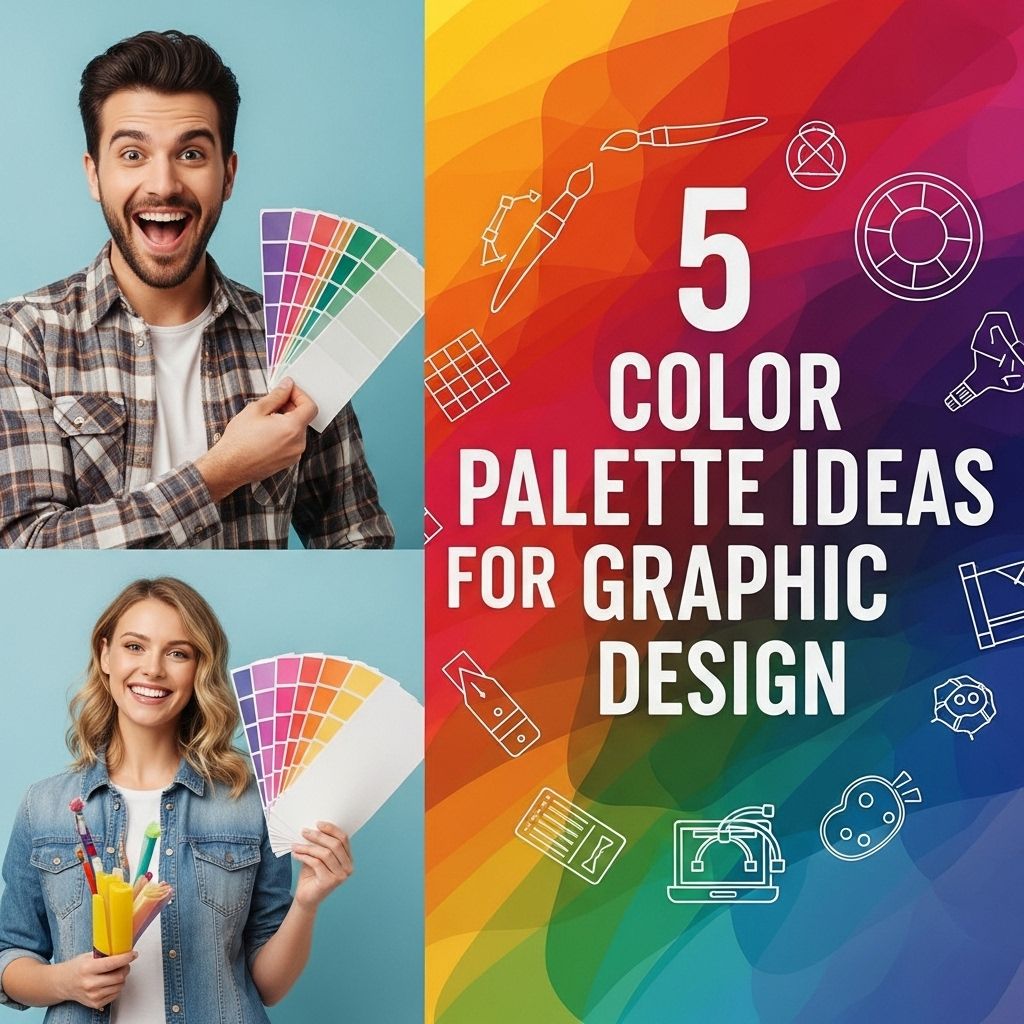
Color plays a crucial role in graphic design, influencing not just aesthetics but also the emotional response of the audience. The right color palette can enhance brand identity, improve user experience, and make designs more effective. In this article, we will explore five distinct color palette ideas that can be employed in graphic design, along with tips on how to apply them effectively.
Choosing the right color palette is crucial in graphic design, as it can set the tone and convey the intended message of your project. In this article, we will explore five stunning color palette ideas that can enhance your designs and inspire your creativity. If you’re also looking to showcase your color choices effectively, be sure to explore our logo mockup collection.
1. Monochromatic Harmony
A monochromatic color palette is formed using different shades, tones, and tints of a single color. This approach creates harmony and a cohesive look, making it particularly effective for branding and corporate designs.
How to Use a Monochromatic Palette
- Choose a primary color that aligns with the brand’s identity.
- Experiment with various shades and tints to create depth.
- Utilize texture and patterns to add visual interest.
Example Color Palette
| Color | Hex Code |
|---|---|
| Dark Blue | #003366 |
| Medium Blue | #006699 |
| Light Blue | #66B3E4 |
| Pale Blue | #99CCFF |
2. Complementary Contrast
Complementary colors are opposite each other on the color wheel, creating a vibrant look when used together. This palette can be particularly effective for drawing attention and creating a sense of energy.
When to Apply Complementary Colors
- Use them for call-to-action buttons and highlights.
- Apply in illustrations to enhance depth and dimension.
- Limit the use to a few elements to avoid overwhelming the viewer.
Example Color Palette
| Color | Hex Code |
|---|---|
| Orange | #FF6600 |
| Blue | #0033FF |
3. Analogous Adventure
Analogous colors sit next to each other on the color wheel and create serene and comfortable designs. This palette works well for designs that aim to convey calmness and unity.
Best Practices for Analogous Palettes
- Choose three to five colors that are adjacent on the wheel.
- Utilize the dominant color for the primary elements.
- Incorporate varying shades and tints to maintain visual interest.
Example Color Palette
| Color | Hex Code |
|---|---|
| Green | #009933 |
| Teal | #0099CC |
| Blue | #33CCFF |
4. Triadic Triples
Triadic color schemes consist of three colors that are evenly spaced around the color wheel. This palette is vibrant and offers a high contrast, making it ideal for creative and playful designs.
Implementing a Triadic Color Scheme
- Choose one color as the dominant hue.
- Use the other two colors for accents and secondary elements.
- Ensure balance by adjusting the saturation and brightness.
Example Color Palette
| Color | Hex Code |
|---|---|
| Red | #FF0000 |
| Yellow | #FFFF00 |
| Blue | #0000FF |
5. Earthy and Natural
A palette inspired by nature typically features muted and earthy tones. These colors evoke feelings of warmth and comfort, making them suitable for organic brands and eco-friendly designs.
Using Earthy Tones in Design
- Combine different shades of green, brown, and beige.
- Incorporate textures such as wood or stone for a more organic feel.
- Limit bright colors to maintain an earthy vibe.
Example Color Palette
| Color | Hex Code |
|---|---|
| Forest Green | #228B22 |
| Brown | #8B4513 |
| Beige | #F5F5DC |
Conclusion
Choosing the right color palette is essential for any graphic design project. Whether you opt for a monochromatic scheme for a professional look, complementary colors for vibrancy, or earthy tones for a natural feel, understanding these palettes can elevate your design work. Remember to consider the emotional impact of colors and how they align with your brand’s message. Experiment with these ideas to find the perfect combination that resonates with your audience.
FAQ
What are some popular color palettes for graphic design?
Popular color palettes include monochromatic, analogous, complementary, triadic, and tetradic palettes, each offering different visual effects and moods.
How can I create a color palette for my graphic design project?
To create a color palette, start by choosing a primary color, then select secondary colors that complement or contrast with it using color theory principles.
What tools can I use to generate color palettes?
There are several online tools available for generating color palettes, such as Adobe Color, Coolors, and Canva’s Color Palette Generator.
What is the significance of color psychology in graphic design?
Color psychology plays a crucial role in graphic design as different colors evoke specific emotions and can influence the viewer’s perception of a brand or message.
How do I choose the right colors for my target audience?
To choose the right colors for your target audience, consider their preferences, cultural associations, and the message you want to convey, tailoring your palette to resonate with them.