10 Essential Tips for Camera Beginners
Discover 10 must-know tips for beginners to master your camera and take stunning photographs with ease.

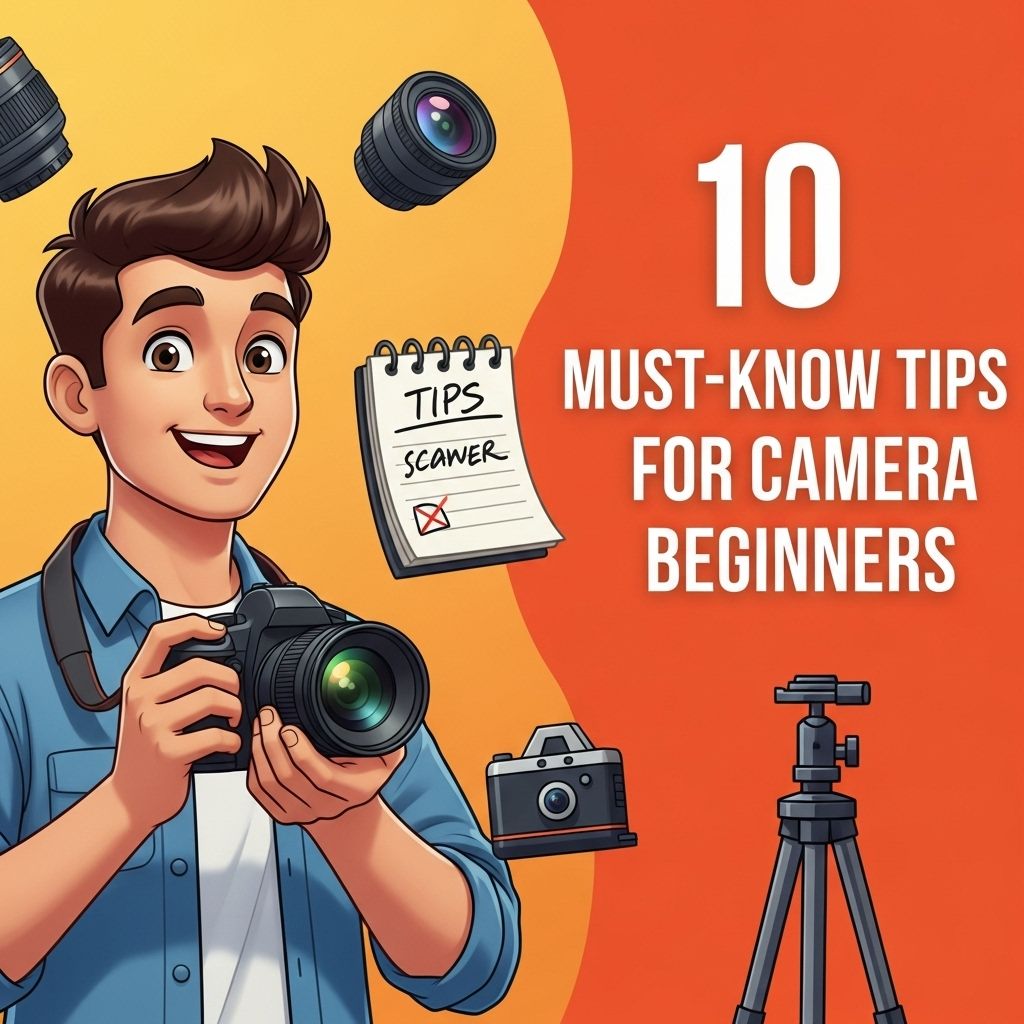
Embarking on the journey of photography can be both exhilarating and overwhelming, especially for beginners. With a myriad of options in terms of camera types, settings, and styles, it’s easy to feel lost. However, mastering the basics can set you on the path to capturing stunning images. Below, we delve into ten essential tips that every budding photographer should know, helping you transition from a novice to a confident shooter in no time.
Starting your photography journey can feel overwhelming, but mastering the basics is key to creating stunning images. By following these 10 essential tips for camera beginners, you’ll build your confidence and improve your skills in no time. For those interested in the visual aspects of branding, you can also learn how to use logo mockups effectively.
Table of Contents
Understanding Your Camera
Before you begin taking pictures, it’s vital to familiarize yourself with your camera. Whether you have a DSLR, mirrorless camera, or even a smartphone, understanding its features is key. Here are some tips to get started:
1. Read the Manual
Your camera comes with a manual that outlines its features and capabilities. Take the time to read it to understand:
- The layout of buttons and controls
- Available shooting modes
- How to adjust settings
2. Experiment with Settings
Don’t hesitate to experiment with different settings on your camera. Familiarize yourself with:
- ISO
- Aperture
- Shutter Speed
Understanding how these elements interact will give you greater control over your images.
Composition Techniques
The way you frame your shot can make all the difference. Here are some composition techniques to keep in mind:
3. Rule of Thirds
The rule of thirds suggests dividing your frame into a 3×3 grid and placing points of interest along these lines or their intersections. This technique can create a more balanced and engaging image.
4. Leading Lines
Use natural lines within a scene to lead the viewer’s eye toward the subject. Examples of leading lines include roads, fences, and rivers.
Lighting and Exposure
Lighting plays a critical role in photography. Here are some tips to manipulate natural light and enhance your images:
5. Golden Hour
Photographing during the golden hour, which occurs shortly after sunrise or before sunset, provides a warm and soft light that can enhance your photos.
6. Avoid Harsh Midday Sun
Midday sun can cast harsh shadows and create unflattering lighting for portraits. If you must shoot during this time, look for shaded areas or use reflectors to soften the light.
Post-Processing Skills
While great photos can be taken in-camera, post-processing can help enhance your images further. Here are some tips:
7. Learn Basic Editing
Familiarize yourself with editing software such as Adobe Lightroom or Photoshop. Basic edits to consider include:
- Adjusting exposure
- Changing contrast
- Cropping for better composition
8. Don’t Over-Edit
While editing can enhance a photo, over-editing can lead to unnatural results. Aim for subtle adjustments that maintain the authenticity of your image.
Practice and Experiment
The key to becoming a skilled photographer is consistent practice. Here are ways to keep improving:
9. Join a Photography Community
Participate in photography clubs, online forums, or social media groups where you can share your work, receive feedback, and learn from others. This will provide you with:
- New perspectives
- Inspiration
- Networking opportunities
10. Set Challenges
Challenge yourself by setting themes or subjects to shoot each week. This can broaden your skills and inspire creativity. Consider:
- Portrait Photography
- Nature and Landscape Photography
- Street Photography
Conclusion
Mastering photography takes time and patience, but by following these ten essential tips, you’ll build a strong foundation for your skills. Remember to take your time, experiment, and most importantly, enjoy the process of capturing the world around you. As you progress, you’ll develop your style and start to see the world through a photographer’s lens.
FAQ
What are the essential camera settings every beginner should know?
Every beginner should familiarize themselves with the exposure triangle: aperture, shutter speed, and ISO. Understanding how these settings interact will allow you to take better photos.
How important is composition in photography?
Composition is crucial in photography. Techniques like the rule of thirds, leading lines, and framing can help create more visually appealing images.
What type of camera is best for beginners?
For beginners, entry-level DSLRs or mirrorless cameras are recommended. They offer manual controls and better image quality than point-and-shoot cameras.
Should I use auto mode or manual mode when starting out?
While auto mode is convenient, it’s beneficial to gradually switch to manual mode as you learn. This will give you more control over your photography and help you understand how settings affect your images.
How can I improve my photography skills quickly?
Practice is key. Take your camera out regularly, experiment with different settings, and study the work of other photographers to learn new techniques.
What accessories should I consider as a beginner photographer?
As a beginner, consider investing in a sturdy tripod, a camera bag, extra batteries, and a lens cleaning kit to help protect and enhance your photography experience.