Boost Your SEO Skills Fast: Proven Tips
Discover effective strategies to rapidly enhance your SEO skills and improve your website's visibility in search engines.

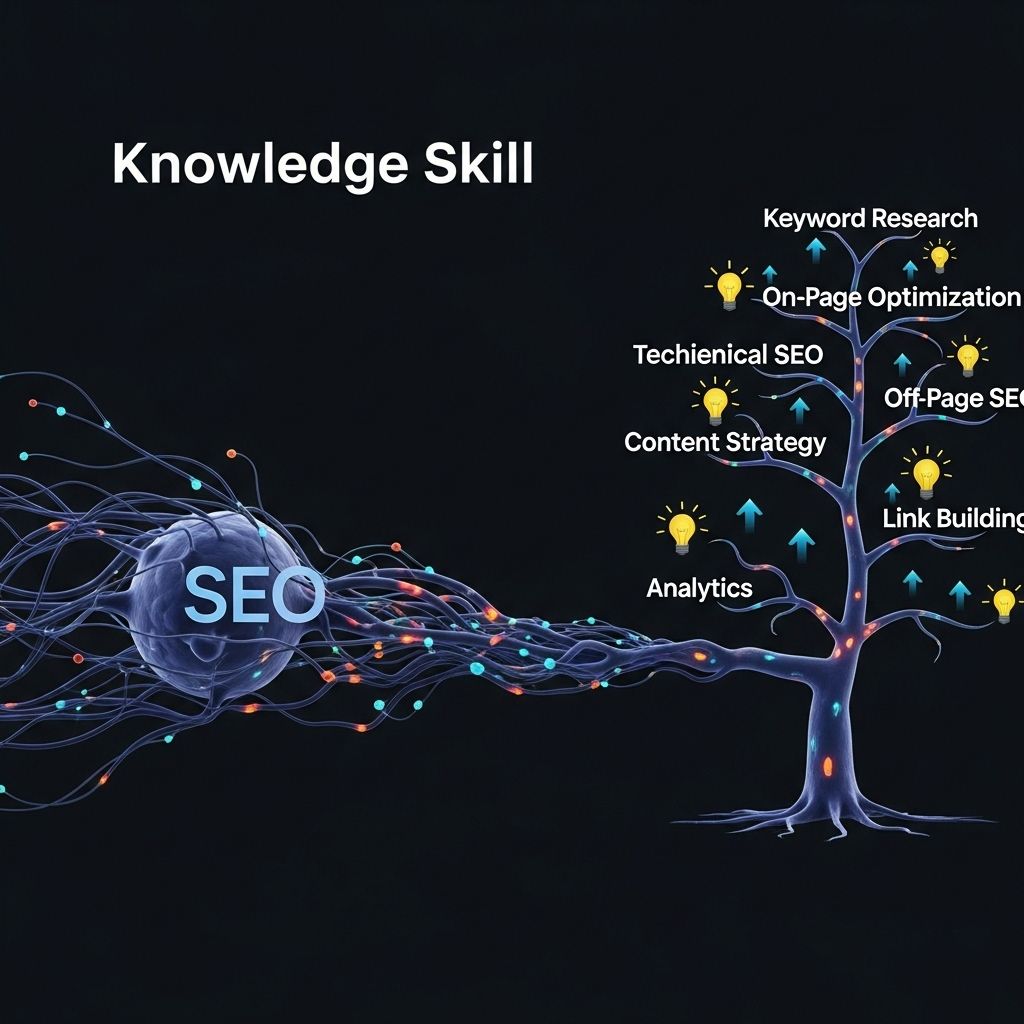
In the ever-evolving landscape of digital marketing, mastering SEO (Search Engine Optimization) has become a critical skill for professionals across various industries. Whether you are a marketer, a business owner, or a content creator, understanding the intricacies of SEO can significantly enhance your online presence and drive organic traffic to your website. This article will explore effective strategies and techniques that will help you boost your SEO skills quickly and efficiently.
Improving your SEO skills doesn’t have to be a long, daunting journey. By implementing proven tips and techniques, you can quickly elevate your understanding and application of SEO strategies to drive better results. For instance, see how to use 3D mockups effectively to enhance your content presentation, which can also contribute positively to your SEO.
Table of Contents
Understanding the Basics of SEO
Before diving into advanced techniques, it’s essential to grasp the foundational elements of SEO. Here are some key concepts:
- Keywords: Words and phrases that users type into search engines.
- On-page SEO: Optimizations made directly within your website pages.
- Off-page SEO: Actions taken outside your website to impact rankings, like backlinks.
- Technical SEO: Backend optimizations that affect website performance and accessibility.
Conducting Keyword Research
Keyword research is vital for identifying what your audience is searching for. Follow these steps to conduct effective keyword research:
- Identify Your Niche: Focus on a specific area related to your business or interests.
- Use Keyword Tools: Leverage tools like Google Keyword Planner, Ahrefs, or SEMrush.
- Analyze Competitors: Look at the keywords your competitors are ranking for.
- Long-Tail Keywords: Target longer, more specific phrases that are less competitive.
Evaluating Keyword Metrics
When analyzing keywords, consider the following metrics:
| Metric | Description |
|---|---|
| Search Volume | Average monthly searches for a keyword. |
| Competition | How many other sites are trying to rank for that keyword. |
| CPC | Cost Per Click; useful for understanding the keyword’s commercial value. |
On-Page SEO Techniques
Once you have your keywords, the next step is to optimize your web pages. Here are effective on-page SEO techniques:
1. Optimize Title Tags and Meta Descriptions
Ensure that your title tags and meta descriptions include your primary keywords and are compelling enough to attract clicks. Follow these best practices:
- Keep title tags under 60 characters.
- Keep meta descriptions under 160 characters.
- Avoid keyword stuffing; focus on readability.
2. Use Header Tags Effectively
Header tags (H1, H2, H3, etc.) help structure your content. Use them to break up sections and highlight important points:
- H1 for the main title of the page.
- H2 for main section titles.
- H3 for subsections.
3. Optimize Images
Images can improve user engagement, but they also need optimization:
- Use descriptive file names.
- Include alt text with relevant keywords.
- Optimize image sizes for faster loading.
Off-Page SEO Strategies
Enhancing your website’s authority is crucial for off-page SEO. Here are some effective strategies:
Building High-Quality Backlinks
Backlinks from reputable sites signal to search engines that your content is credible. Here are ways to build backlinks:
- Guest Blogging: Write articles for other blogs in your niche.
- Influencer Outreach: Connect with influencers to share your content.
- Social Media Promotion: Share your content widely to attract links.
Social Media Engagement
Active participation in social media platforms can drive traffic and increase visibility:
- Choose platforms where your audience is active.
- Post consistently and engage with followers.
- Utilize social sharing buttons on your website.
Technical SEO Essentials
Technical SEO involves optimizing your site’s infrastructure to improve its performance. Here’s what you should focus on:
1. Improve Site Speed
A fast-loading website enhances user experience and reduces bounce rates. Consider:
- Minifying CSS and JavaScript.
- Using a Content Delivery Network (CDN).
- Compressing images and other media files.
2. Mobile Optimization
With increasing mobile searches, ensure your website is mobile-friendly:
- Use responsive design techniques.
- Test your site on various devices and browsers.
- Optimize touch elements for easy navigation.
3. Create an XML Sitemap
An XML sitemap helps search engines understand your site’s structure:
- Include all important pages.
- Regularly update it as you add new content.
- Submit your sitemap to Google Search Console.
Measuring SEO Success
To determine the effectiveness of your SEO efforts, you must measure performance. Use tools like Google Analytics, SEMrush, or Ahrefs to monitor:
- Organic traffic growth.
- Keyword rankings.
- Bounce rates and engagement metrics.
Key Performance Indicators (KPIs)
Focus on the following KPIs to evaluate your SEO success:
| KPI | Description | Goal |
|---|---|---|
| Organic Traffic | Number of visitors arriving via search engines. | Increase by 20% in six months. |
| Conversion Rate | Percentage of visitors completing desired actions. | Increase to 5% within three months. |
| Average Session Duration | Time users spend on your site. | Increase to 3 minutes. |
Continuous Learning and Adaptation
SEO is not a one-time effort; it requires ongoing learning and adaptation. Here are ways to keep your skills sharp:
- Stay updated with the latest SEO trends through blogs and podcasts.
- Join online forums and communities to exchange ideas.
- Attend webinars and workshops to gain insights from industry experts.
Conclusion
Boosting your SEO skills quickly is achievable with dedication and the right strategies. By understanding the fundamentals, employing effective techniques, and continuously refining your approach, you can enhance your website’s visibility and ultimately drive more traffic. Embrace these practices, and you’ll be on your way to becoming an SEO expert in no time.
FAQ
What are the best practices for improving SEO skills quickly?
To boost your SEO skills fast, focus on understanding keyword research, on-page optimization, link building, and analytics. Utilize online courses, webinars, and industry blogs to stay updated.
How can I learn SEO effectively in a short time?
Effective ways to learn SEO quickly include taking structured online courses, practicing on real websites, joining SEO forums, and following reputable SEO experts on social media.
What tools should I use to enhance my SEO knowledge?
Use tools like Google Analytics, SEMrush, Ahrefs, and Moz to analyze data, track keyword performance, and understand backlink profiles. These tools can provide hands-on experience.
Is it necessary to have coding skills for SEO?
While coding skills can enhance your SEO capabilities, they are not strictly necessary. Understanding HTML basics and how search engines crawl websites can be beneficial.
How often should I update my SEO knowledge?
SEO is an ever-evolving field, so it’s important to update your knowledge regularly. Aim to review the latest trends and algorithm updates at least once a month.
What role does content play in SEO skill enhancement?
High-quality, relevant content is crucial for SEO. Practicing content creation and optimization will significantly enhance your SEO skills and understanding of user intent.