
10 Essential Tools to Boost Your Media Literacy
Discover 10 powerful tools that can enhance your media literacy skills and help you navigate the information landscape effectively.

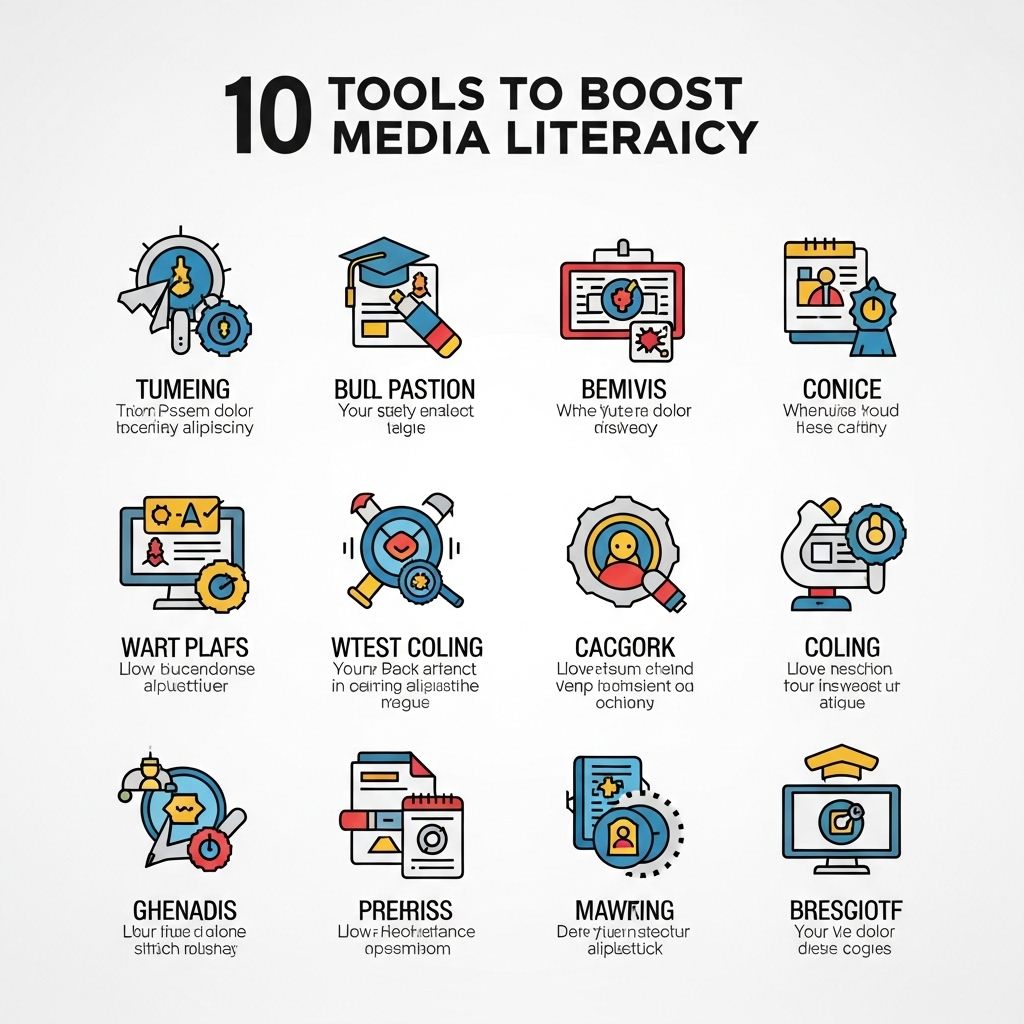
In today’s digital age, media literacy has become an essential skill set for navigating the vast sea of information available online. With the rise of misinformation, fake news, and biased reporting, understanding how to critically assess media content is more important than ever. This article explores ten powerful tools that can enhance media literacy, empowering individuals to become informed consumers and producers of media.
In today’s digital age, media literacy is crucial for navigating the vast landscape of information. With the right tools, you can enhance your understanding and critically evaluate the media you consume. For instance, see how to use 3D mockups effectively to present your ideas in a visually compelling way.
Table of Contents
Understanding Media Literacy
Media literacy involves analyzing, evaluating, and creating media in various forms. It allows individuals to:
- Recognize biases and agendas in media content.
- Differentiate between credible sources and misinformation.
- Understand the impact of media on society and culture.
- Engage thoughtfully with media across platforms.
As technology evolves, so do the tools available to help improve media literacy. Below are ten exemplary tools that can significantly enhance your ability to navigate the media landscape.
1. News Literacy Project
The News Literacy Project offers resources and programs designed to educate individuals about news consumption. Their tools include:
- Interactive lessons on news literacy
- Workshops for educators
- Guides on how to spot misinformation
By engaging with these resources, users can better understand the fundamentals of trustworthy news.
2. MediaSmarts
MediaSmarts is a Canadian nonprofit organization providing digital and media literacy resources to educators and students. Key features include:
- Lesson plans for various age groups
- Interactive quizzes and games
- Research reports on media literacy trends
These resources help learners develop critical thinking skills necessary for assessing media content effectively.
3. FactCheck.org
This nonpartisan website is dedicated to reducing the level of deception and confusion in U.S. politics. It provides:
- Fact-checks of political statements and advertisements
- Tools for evaluating claims
- Educational resources for understanding fact-checking
By using FactCheck.org, individuals can become more adept at identifying factual inaccuracies in political media.
4. Snopes
Snopes is a well-known fact-checking website that investigates rumors, urban legends, and misinformation. It helps users by:
- Providing detailed analysis of claims
- Offering a searchable database of fact-checked stories
- Promoting awareness around common myths and misconceptions
Consulting Snopes can enhance one’s ability to distinguish truth from fiction in the media.
5. Media Bias/Fact Check
This tool offers a comprehensive database of media sources, providing information on their biases and factual accuracy. Features include:
- Ratings for various news outlets
- Information about ownership and editorial stance
- Research articles on media bias
Understanding these factors can help users navigate news consumption with a critical eye.
6. NewsGuard
NewsGuard is a browser extension that rates news and information websites based on their credibility. Key benefits include:
- Real-time ratings on news sites
- Transparency in the rating process
- Detailed information about media organizations
With NewsGuard, users can make informed decisions about which news sources to trust.
7. The Credibility Coalition
The Credibility Coalition focuses on building a better understanding of credibility in information. Their tools involve:
- Research on credibility indicators
- Best practices for evaluating online information
- Collaborative resources for the community
Engaging with the Coalition’s resources can help users refine their analytical skills when encountering media.
8. Common Sense Media
This organization provides ratings and reviews for various media, including movies, TV shows, and apps. Important features include:
- Age-based recommendations for content
- Guides on media literacy for parents and teachers
- Tools for evaluating the impact of media on children
Common Sense Media can empower families to navigate media wisely while promoting critical viewing skills.
9. AllSides
AllSides aims to expose bias and promote diverse perspectives in news coverage. Their tools consist of:
- News stories from multiple perspectives
- Ratings of media bias for various outlets
- Resources for discussing media bias in educational settings
By engaging with AllSides, users can expand their understanding of issues by viewing them from different angles.
10. The Poynter Institute
The Poynter Institute offers a vast array of resources on journalism ethics and standards. Key offerings include:
- Online courses for media literacy
- Workshops for journalists and educators
- Guides on identifying misinformation
The Poynter Institute equips individuals with the knowledge needed to engage meaningfully with media content.
Conclusion
Improving media literacy is a collective responsibility, one that takes on increasing importance in a rapidly changing digital landscape. By utilizing the tools listed above, individuals can enhance their critical thinking skills, navigate media more effectively, and contribute to a more informed society. As consumers and creators of media alike, fostering a culture of media literacy can lead to better understanding and communication in our everyday lives.
FAQ
What are some effective tools to enhance media literacy?
Some effective tools include FactCheck.org, Media Literacy Now, NewsGuard, Common Sense Media, and the News Literacy Project.
How can I use FactCheck.org to improve my media literacy?
FactCheck.org provides non-partisan information and fact-checking on various claims made by public figures, helping users discern fact from fiction.
What role does NewsGuard play in promoting media literacy?
NewsGuard evaluates news websites for credibility and transparency, helping users identify reliable sources of information.
Can media literacy tools be beneficial for students?
Yes, tools like Common Sense Media provide resources for educators and students to understand media content critically and responsibly.
How does the News Literacy Project support individuals?
The News Literacy Project offers educational materials and lessons that empower individuals to navigate and evaluate news sources.
Are there any mobile apps that help with media literacy?
Yes, apps like Snopes and MediaWise provide users with quick fact-checking tools and resources to enhance their media literacy on-the-go.