Top AI Prompts for Crafting Meta Descriptions in 2025
Discover the best AI prompts to create engaging and effective meta descriptions for your content in 2025.

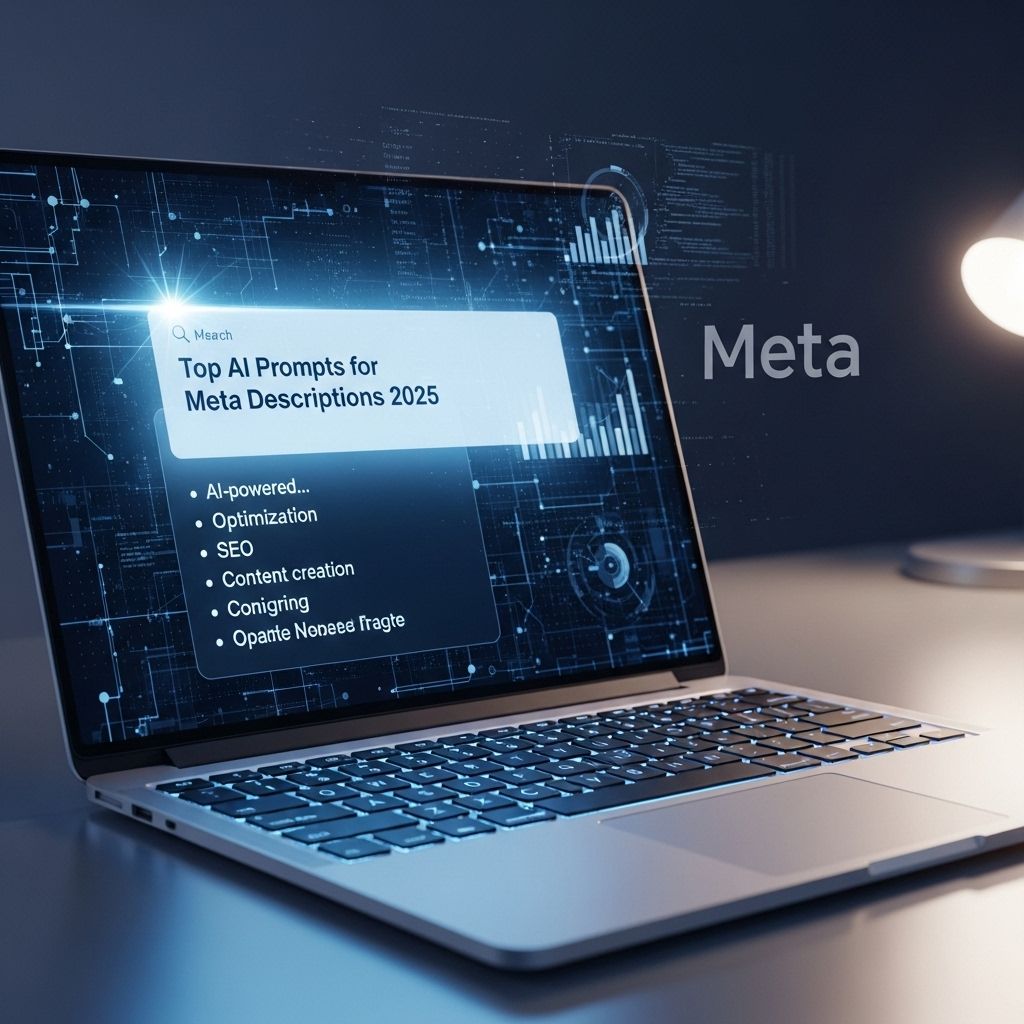
The evolution of artificial intelligence has dramatically transformed how businesses approach digital marketing. As we look forward to 2025, the importance of a compelling meta description cannot be overstated. It serves not only as a summary of the content but also as a critical factor in click-through rates from search engine results. Crafting an effective meta description using AI prompts can enhance visibility and engagement, making it essential for marketers to stay ahead of the game. In this article, we’ll explore some of the most effective AI prompts for generating meta descriptions and how to apply them effectively.
As digital marketing evolves, the need for compelling meta descriptions has never been more critical. In 2025, leveraging top AI prompts can optimize these descriptions to improve search visibility and engagement. For businesses looking to enhance their branding, consider tools that can help you visualize your 3D logo concepts.
Table of Contents
The Importance of Meta Descriptions
Meta descriptions are HTML attributes that provide concise explanations of the content on a webpage. They often appear in search engine results below the page title and URL, acting as a persuasive tool to encourage clicks. Here’s why they matter:
- Improved Click-Through Rates: Well-crafted descriptions can entice users to click on the link.
- SEO Benefits: While meta descriptions do not directly impact rankings, they can influence user behavior, which can indirectly affect search rankings.
- Brand Messaging: They provide an opportunity to convey brand voice and values concisely.
Understanding AI Prompts for Meta Descriptions
AI prompts can streamline the process of generating engaging and relevant meta descriptions. By using specific prompts, marketers can leverage AI tools to create optimized content that resonates with their target audience. Let’s delve into effective AI prompt strategies:
1. Highlight Key Features
When generating meta descriptions, it is crucial to focus on the key features of the product or service. Use prompts that encourage the AI to include:
- Unique selling propositions (USPs)
- Specific functionalities
- Pain points the product addresses
Example Prompt: “Generate a meta description that emphasizes the unique features of our new smartphone, focusing on its camera capabilities and battery life.”
2. Use Action-Oriented Language
Action verbs can increase engagement and drive clicks. AI prompts can encourage the generation of descriptions that include calls to action.
Example Prompt: “Create a meta description for an online cooking class that invites users to sign up and highlights the hands-on experience.”
3. Incorporate Keywords Naturally
SEO-friendly descriptions should include relevant keywords. Craft AI prompts that ask for keyword integration without compromising the natural flow of the text.
Example Prompt: “Write a meta description for an eco-friendly cleaning product, including the keywords ‘natural,’ ‘safe,’ and ‘effective.'”
Effective Format for Meta Descriptions
To maximize effectiveness, meta descriptions should typically adhere to the following format:
| Element | Description |
|---|---|
| Length | Between 150-160 characters to ensure full visibility in SERPs. |
| Keyword Placement | Incorporate primary keywords within the first 50-60 characters. |
| Call to Action | Include actionable phrases that prompt user engagement. |
AI Tools for Crafting Meta Descriptions
Several AI-powered tools can assist marketers in creating compelling meta descriptions. Here’s a selection:
- Jasper: A versatile AI writing tool that generates meta descriptions based on user input.
- Copy.ai: This tool uses AI to craft marketing copy, including meta descriptions, by inputting specific prompts.
- Surfer SEO: Integrates SEO guidelines directly into the content creation process, helping optimize meta descriptions.
Testing and Optimizing Meta Descriptions
Once meta descriptions are crafted and implemented, it’s essential to monitor their performance and optimize where necessary. Here’s how:
- Monitor Click-Through Rates (CTRs): Use analytics tools to track how well your descriptions perform.
- A/B Testing: Test different versions of meta descriptions to see what resonates best with your audience.
- Update Regularly: As trends change, revisit and revise your meta descriptions to stay relevant.
The Future of AI-Powered Meta Descriptions
As we advance towards 2025, the role of AI in digital marketing will continue to evolve. Anticipated trends include:
- Increased Personalization: AI will be able to analyze user behavior and preferences to craft highly personalized meta descriptions.
- Integration with Voice Search: With the rise of voice search, meta descriptions may need to adapt to cater to conversational queries.
- Real-time Optimization: Future AI tools might provide real-time analytics and suggestions for on-the-fly description alterations.
Conclusion
Crafting effective meta descriptions is crucial in a competitive digital landscape. Leveraging AI prompts not only simplifies the process but ensures that the descriptions are engaging, optimized, and aligned with user intent. As we look towards 2025, embracing AI in this aspect of marketing will be essential for those who wish to stand out in the increasingly crowded online marketplace.
FAQ
What are AI prompts for meta descriptions?
AI prompts for meta descriptions are pre-written suggestions generated by artificial intelligence to help marketers and content creators craft compelling and SEO-friendly descriptions for their web pages.
Why are meta descriptions important for SEO?
Meta descriptions are crucial for SEO as they provide a summary of the web page’s content, influence click-through rates, and help search engines understand the relevance of a page to specific queries.
How can I use AI to generate meta descriptions?
You can use AI tools to input keywords and receive tailored meta description suggestions that align with best practices for length, tone, and relevance.
What are the best practices for writing meta descriptions in 2025?
Best practices for writing meta descriptions in 2025 include keeping them under 160 characters, using active voice, incorporating keywords naturally, and ensuring they are compelling and relevant to the content.
Can AI-generated meta descriptions improve my website’s performance?
Yes, AI-generated meta descriptions can improve your website’s performance by enhancing visibility in search results, increasing click-through rates, and providing a better user experience.
Are there any tools available for generating AI meta descriptions?
Yes, there are several tools available, such as Jasper, Copy.ai, and Writesonic, which can help generate AI-based meta descriptions tailored to your content needs.