Create Stunning Posters Easily with These Tips
Learn how to create stunning posters effortlessly with these simple tips and tools. Perfect for beginners and experienced designers alike!
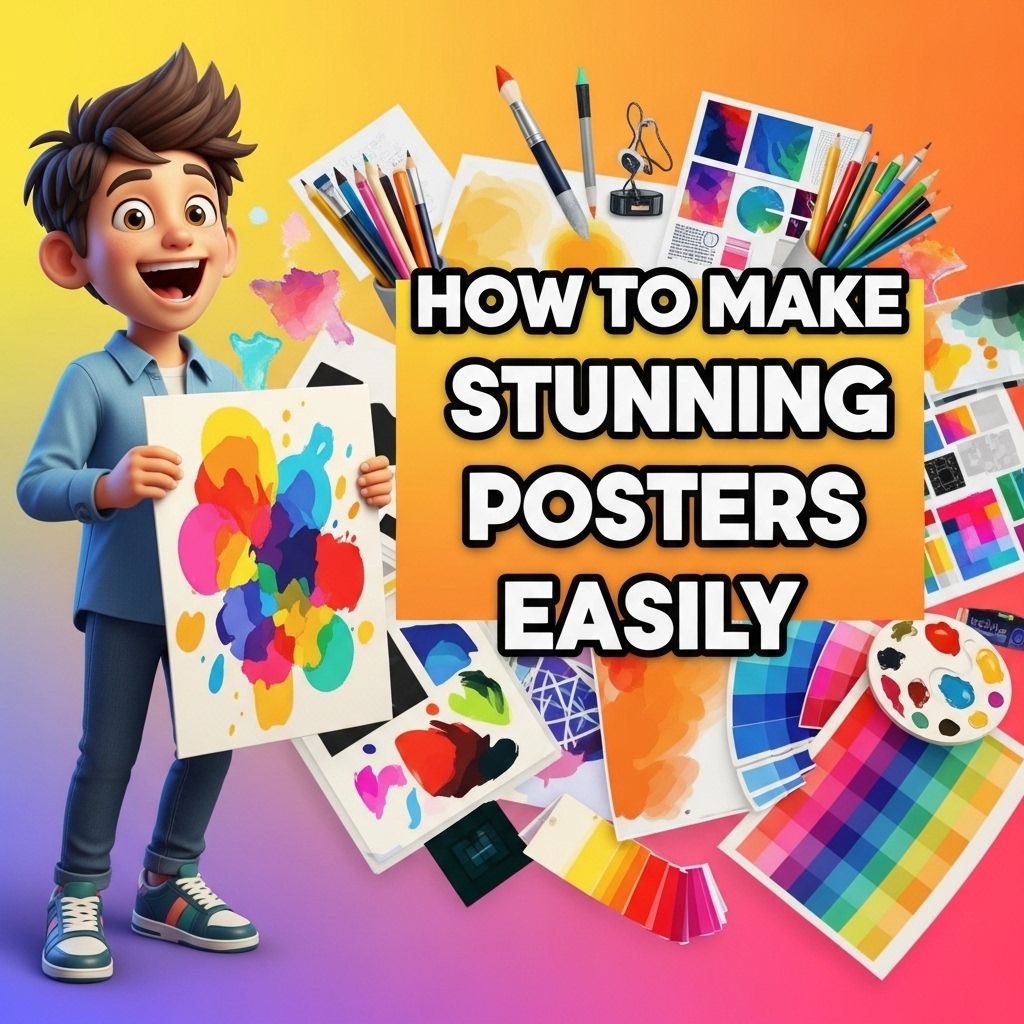
Creating stunning posters is an essential skill for anyone looking to promote an event, share a message, or simply unleash their creativity. With advancements in technology, designing eye-catching posters has never been easier. This article will guide you through the basic principles of poster design, tools available for creation, and tips to ensure your posters stand out.
Creating stunning posters doesn’t have to be a daunting task. With the right tips and tools, you can easily elevate your designs and capture attention. For those looking to enhance their branding elements, consider exploring resources like explore our logo mockup collection.
Understanding Poster Design Principles
Before we dive into the tools and techniques for poster creation, it’s crucial to understand some fundamental design principles that can enhance the visual appeal of your poster.
1. Balance
Balance refers to the distribution of visual elements within your poster. A well-balanced poster can either be symmetrical or asymmetrical. Here’s how you can achieve balance:
- Symmetrical Balance: Place elements evenly on either side of a central line.
- Asymmetrical Balance: Create balance through contrast and varying element sizes without symmetry.
2. Contrast
Contrast is essential in making elements stand out. It can be achieved through:
- Color differences (dark vs. light)
- Font styles (bold vs. regular)
- Image vs. background
3. Hierarchy
Hierarchy helps guide viewers’ eyes through your poster. You can create hierarchy by:
- Using larger fonts for headlines
- Employing different colors for various text levels
- Positioning important information at eye level
Choosing the Right Tools
The next step is to select the appropriate tools for designing your poster. Depending on your design skills and requirements, here are some popular options:
1. Graphic Design Software
Professional graphic design software offers advanced features for detailed design work:
| Software | Features | Price Range |
|---|---|---|
| Adobe Photoshop | Image editing, extensive plugins | $20.99/month |
| Adobe Illustrator | Vector graphics, typography tools | $20.99/month |
| CorelDRAW | Vector editing, layout options | $249.00 (one-time) |
2. Online Design Platforms
If you prefer a user-friendly platform with pre-made templates, consider:
- Canva: Offers a vast library of templates and user-friendly drag-and-drop features.
- Visme: Ideal for infographics, presentations, and posters.
- Adobe Express: Simplifies the design process with templates and quick edits.
Crafting Your Poster
Now that you have the principles and tools in place, it’s time to start crafting your poster. Follow this step-by-step guide:
Step 1: Define Your Purpose
Understand what message you want to convey and who your audience is. This clarity will influence the design choices you make.
Step 2: Choose Your Dimensions
Decide on the size of your poster. Common dimensions include:
- A4 (8.3 x 11.7 inches)
- A3 (11.7 x 16.5 inches)
- 24 x 36 inches (large format)
Step 3: Select a Template
If using online tools, start with a template that resonates with your theme. This makes the design process significantly quicker.
Step 4: Customize the Design
Add your text, images, and graphics. Remember the principles of balance, contrast, and hierarchy discussed earlier. Here’s how to customize effectively:
- Choose a color scheme that reflects your brand or message.
- Limit your text; focus on the key message.
- Use high-quality images and graphics.
Step 5: Review and Edit
Before finalizing your poster, review it for clarity, spelling mistakes, and visual appeal. It’s always helpful to get feedback from others.
Printing and Displaying Your Poster
Once your design is complete, the next step is printing and displaying your poster. Consider the following:
Printing Options
Choose a printing service that offers quality and affordability. Here are some popular options:
- Local Print Shops: Often provide a quick turnaround and the ability to see proof prints.
- Online Printing Services: Such as Vistaprint and Moo, which offer competitive pricing.
Materials
Decide on the material of your poster:
- Standard Poster Paper: Affordable and suitable for indoor display.
- Vinyl Banners: Durable and weather-resistant for outdoor use.
- Canvas: Gives a professional finish for premium displays.
Display Techniques
How you display your poster can significantly impact its effectiveness:
- Framing: Provides a professional look and protects the poster.
- Pinning: Quick and easy for temporary displays.
- Hanging: Use string or clips for a visually appealing presentation.
Conclusion
Creating stunning posters is a fulfilling endeavor that combines creativity with strategic design principles. By understanding the core elements of poster design and utilizing the right tools, you can produce eye-catching posters that effectively communicate your message. So grab your design software or platform, and start crafting your masterpiece today!
FAQ
What are the best tools for making stunning posters?
Some of the best tools for creating stunning posters include Canva, Adobe Spark, and PosterMyWall, which offer user-friendly interfaces and a variety of templates.
What design principles should I follow for effective poster design?
To create an effective poster, follow design principles such as using a clear hierarchy, balancing colors, incorporating white space, and ensuring readability of text.
Can I create posters for free?
Yes, many online design platforms offer free versions with templates and basic features, allowing you to create stunning posters without any cost.
What dimensions should I use for my poster?
Common poster sizes include 24×36 inches for large posters and 18×24 inches for smaller ones, but you can choose dimensions based on your specific needs.
How can I print my poster after designing it?
Once your poster is designed, you can print it at home using a high-quality printer or take it to a local print shop for professional printing.
What types of posters can I create?
You can create various types of posters including event posters, motivational posters, educational posters, and promotional posters, each with its own design style.