10 Powerful Ways to Present Logo Concepts
Discover 10 effective strategies to present logo concepts that captivate clients and secure approvals.
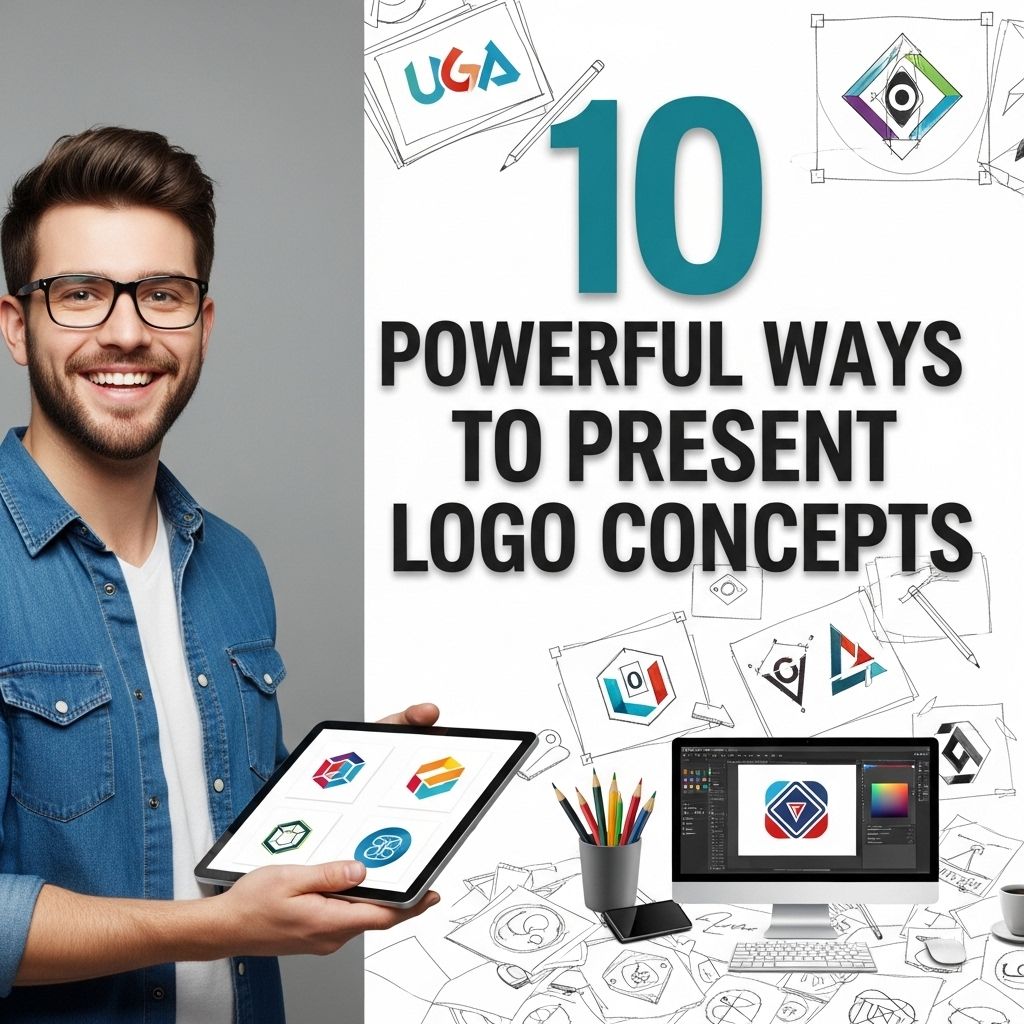
In the competitive world of branding and design, presenting logo concepts effectively is crucial for gaining client approval and conveying creative vision. Whether you’re a seasoned designer or just starting out, mastering the art of logo presentation can set you apart. This article explores powerful methods to present logo concepts, ensuring that your ideas resonate with clients and stakeholders.
When presenting logo concepts, effective visual communication is key to conveying the essence of your design. In this guide, we explore 10 powerful ways to showcase your logo ideas, ensuring they resonate with your audience and reflect your brand identity. To enhance your presentation, you might want to download stunning logo mockups that bring your designs to life.
Understanding Your Audience
Before diving into presentation techniques, it’s essential to understand the audience you’re presenting to. Knowing their preferences, industry standards, and emotional triggers can significantly enhance your presentation’s effectiveness. Here are key aspects to consider:
- Demographics: Age, gender, and occupation can influence perception.
- Industry: Different sectors have varied branding approaches.
- Brand Values: Align your presentation with the client’s vision.
1. Craft a Compelling Story
A logo isn’t just a graphic; it’s a story encapsulated in a visual form. Start your presentation by narrating the journey of the brand. Discuss how the logo relates to the brand’s mission, values, and target audience. Incorporating storytelling can create an emotional connection and make your design more relatable.
Elements of a Compelling Story
- Background: What inspired the design?
- Vision: How does it reflect the brand’s future?
- Process: Share the design journey and decision-making.
2. Utilize Mockups
Presenting logos in isolation can sometimes fail to convey their true value. Utilizing mockups to show how the logo will appear in real-world applications adds context and appeal. Consider the following mockup scenarios:
- Business cards
- Website headers
- Merchandise (t-shirts, mugs)
| Mockup Type | Use Case |
|---|---|
| Digital | Websites, apps |
| Stationery, brochures | |
| Environmental | Signage, storefronts |
3. Create Mood Boards
Mood boards are a visual collage of elements that inform and inspire the design. They can be instrumental in conveying the tone and aesthetic of the logo. Include colors, typography, patterns, and imagery that align with the brand identity. This can help clients visualize the broader context of your design choices.
Components of a Mood Board
- Color Palette: Showcase potential color schemes.
- Typography: Present font choices to convey brand personality.
- Imagery: Use visuals that represent the brand’s essence.
4. Present Variations
When presenting logo concepts, it’s beneficial to offer several variations. This shows your versatility and understanding of design principles. Consider different color options, layouts, and typography. Providing variations can also facilitate discussion and feedback, leading to a more collaborative design process.
Suggested Variations
- Color variations
- Monochrome options
- Horizontal and vertical layouts
5. Highlight Scalability
Logos must work across various sizes and mediums. Demonstrating scalability is vital in your presentation. Show how the logo maintains its integrity when scaled down for business cards or enlarged for billboards. This can include:
- Resizing graphics to different dimensions
- Testing the logo in various applications
6. Incorporate Client Feedback
Involving clients in the design process builds trust and collaboration. Presenting drafts and soliciting feedback not only enhances the final product but also ensures that the client feels invested in the outcome. Consider using tools like:
- Online collaborative platforms (e.g., Miro, Figma)
- Feedback forms with structured questions
7. Use Professional Presentation Tools
Leveraging professional design tools can elevate your presentation. While PowerPoint and Keynote are popular choices, other specialized tools can enhance the experience:
- Adobe XD: Ideal for interactive prototypes.
- InVision: Perfect for collaborative feedback.
8. Prepare for Questions
Anticipating client questions can make a presentation smoother and more effective. Prepare to address potential concerns about:
- Concept effectiveness
- Color psychology
- Competitive analysis
9. Showcase Real-World Examples
Illustrating how similar logos have succeeded in the market can help validate your design choices. Conduct a comparative analysis of successful brands within the same industry. Use case studies to demonstrate:
- Brand recognition
- Consumer engagement
10. End with a Strong Call to Action
Conclude your presentation with a persuasive call to action. Encourage clients to consider how the logo aligns with their goals and next steps. You might suggest:
- Refining the design based on feedback
- Finalizing the logo for launch
Conclusion
Effectively presenting logo concepts is an essential skill for designers aiming to leave a lasting impact. By crafting compelling stories, utilizing mockups, and engaging your audience, you will not only gain approval but also establish yourself as a thoughtful and strategic designer. Embrace these techniques, and watch your logo presentations transform into powerful narratives that captivate and persuade.
FAQ
What are effective ways to present logo concepts to clients?
Utilize mockups, create a presentation deck, tell a brand story, showcase variations, and use digital tools to create interactive experiences.
How can I make my logo presentation more engaging?
Incorporate visuals, use storytelling techniques, involve the client in the process, and highlight the rationale behind design choices.
What should I include in my logo presentation?
Include the logo design, color palette, typography, mockups, and examples of the logo in real-world applications.
How do I explain my logo design choices to clients?
Clearly articulate the inspiration behind the design, relate it to the brand’s values, and showcase how it meets the client’s goals.
What is the best format for presenting logo concepts?
A combination of slides and visual mockups, either in a PDF or a presentation software like PowerPoint or Keynote, works best.
How can I handle client feedback during a logo presentation?
Encourage open dialogue, listen actively, ask clarifying questions, and be prepared to iterate based on their input.