Mastering Your 2025 Content Calendar: A Step-by-Step Guide
Discover effective strategies for planning your content calendar in 2025 to boost your marketing efforts and audience engagement.
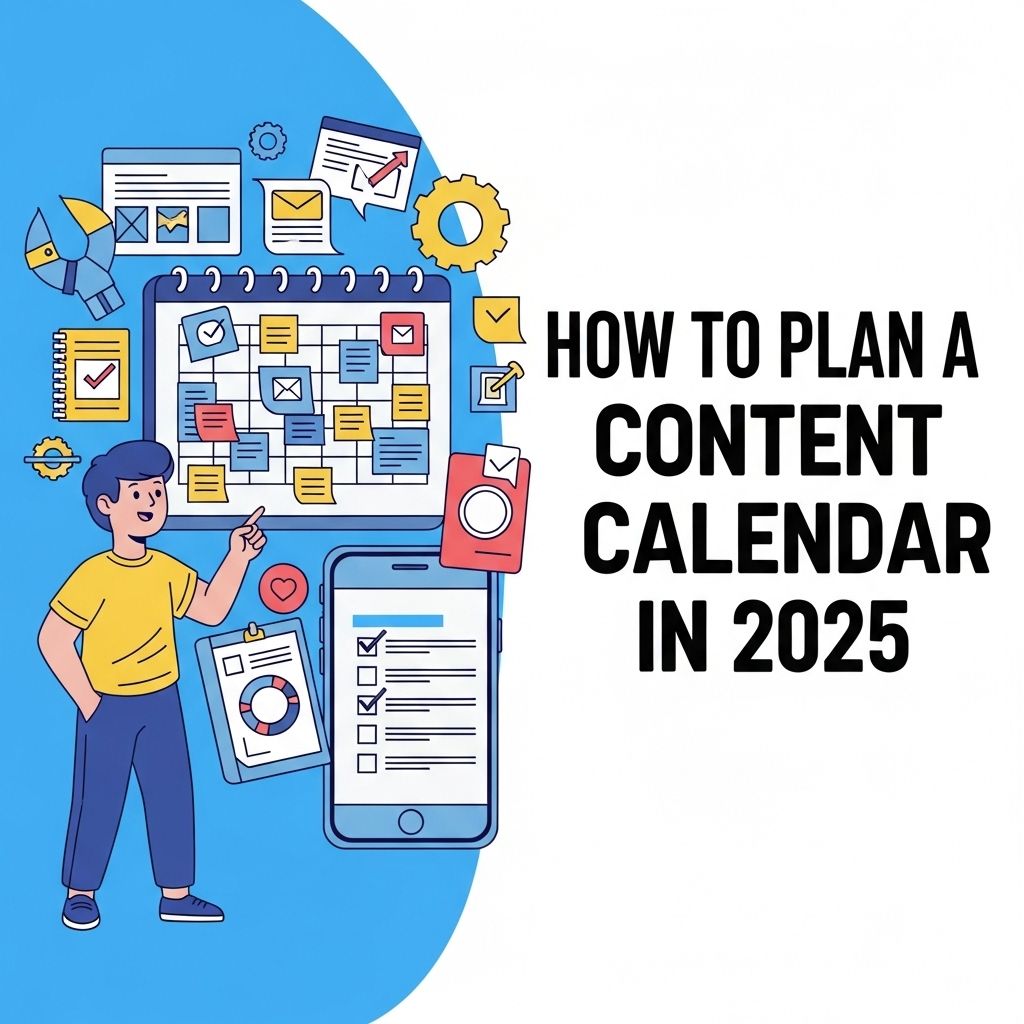
In an ever-evolving digital landscape, planning a content calendar for 2025 requires not just foresight but also a strategic approach to content creation and distribution. As content becomes increasingly integral to marketing strategies, understanding the latest trends and tools available will empower marketers to optimize their strategies effectively. This guide aims to provide a comprehensive framework for developing a content calendar that aligns with your business goals and audience preferences.
Creating a robust content calendar for 2025 is essential for effective planning and consistent engagement. In this step-by-step guide, we’ll explore strategies to help you master your content calendar, ensuring you stay organized and ahead of trends. Additionally, for those seeking visual enhancement for their brand, you may want to browse logo mockup templates.
The Importance of a Content Calendar
A content calendar serves as a roadmap for your content marketing strategy. It helps in organizing content production and distribution, ensuring consistency and relevance. Some key benefits include:
- Enhanced Organization: Keep track of upcoming posts, campaigns, and deadlines.
- Improved Collaboration: Facilitate teamwork among content creators, marketers, and designers.
- Strategic Planning: Align content with marketing goals and audience demand.
- Increased Efficiency: Save time and resources by having a clear content schedule.
Identifying Your Goals
Before you dive into planning your content calendar, it’s crucial to define your goals. Here are some common objectives:
- Increase website traffic
- Enhance audience engagement
- Generate leads or sales
- Establish brand authority
By identifying your specific goals, you can tailor your content strategy to meet these objectives effectively.
Understanding Your Audience
Knowing who your audience is will significantly influence the type of content you create. Conduct thorough audience research, considering factors such as demographics, interests, and online behavior. Here are some steps to better understand your audience:
1. Analyze Existing Data
Utilize analytics tools to examine your current audience. Platforms like Google Analytics, social media insights, or customer surveys can provide valuable information.
2. Create Buyer Personas
Develop detailed profiles of your ideal customers, including their challenges, preferences, and behaviors. This will help tailor your content to resonate with them.
3. Monitor Industry Trends
Stay updated with industry trends and shifts. Tools like Google Trends and BuzzSumo can help you identify what topics are gaining traction.
Key Components of a Content Calendar
A successful content calendar should include several essential elements:
| Component | Description |
|---|---|
| Content Title | Title of the piece or subject matter. |
| Content Type | Format of the content (blog post, video, infographic, etc.). |
| Publishing Date | Date when the content will be published. |
| Target Audience | Specific audience segment that the content is aimed at. |
| Promotion Channels | Platforms where the content will be shared (social media, email, etc.). |
| Status | Current progress of the content (draft, in review, published). |
Steps to Create Your Content Calendar
Now that you understand the components, let’s dive into the step-by-step process of creating your content calendar:
Step 1: Choose Your Tools
Decide on the tools you’ll use to create and manage your content calendar. Some popular options include:
- Google Sheets or Excel
- Trello
- Asana
- Content management systems like HubSpot
Step 2: Outline Your Content Themes
Brainstorm key themes or topics you wish to cover over the year. Organize them by month or quarter to align with your marketing initiatives. Examples of themes include:
- Product launches
- Seasonal campaigns
- Industry events
- Educational content
Step 3: Schedule Content Production Dates
Set deadlines for each piece of content, allowing time for research, writing, editing, and design. This is critical to avoid last-minute rushes and to maintain quality.
Step 4: Assign Responsibilities
Clearly define who is responsible for each piece of content, including writing, editing, and graphics creation. Clearly outlined roles enhance accountability and streamline the workflow.
Step 5: Incorporate Flexibility
While structure is essential, ensure your content calendar allows for flexibility to accommodate trending topics or last-minute changes. Leave room for spontaneous content that may arise throughout the year.
Content Distribution Strategy
Once your content is created, having a distribution strategy is crucial for maximizing its reach. Consider the following distribution tactics:
- Social Media Sharing: Utilize different social platforms to share your content, tailoring your message to fit each audience.
- Email Newsletters: Send newsletters featuring your content to your subscriber list, driving traffic back to your site.
- Influencer Collaborations: Partner with influencers in your niche to extend your reach and credibility.
- Guest Blogging: Write guest posts for reputable blogs in your industry to gain exposure to new audiences.
Measuring Success
Establish key performance indicators (KPIs) to measure the success of your content strategy. Common KPIs include:
- Website traffic
- Engagement rates (likes, shares, comments)
- Lead generation
- Conversion rates
Utilize analytics tools to track these metrics and adjust your strategy based on what the data reveals.
Conclusion
Planning a content calendar in 2025 is an intricate yet rewarding process that requires careful consideration of your goals, audience, and distribution strategies. By leveraging the techniques and tools discussed in this guide, you can create a dynamic content calendar that drives results and keeps your audience engaged. As trends evolve, always be ready to adapt and experiment with new content forms and channels to stay ahead in the competitive digital landscape.
FAQ
What is a content calendar and why is it important for 2025?
A content calendar is a tool used to plan, organize, and schedule content across various platforms. It is important for 2025 as it helps marketers streamline their efforts, maintain consistency, and align content with key dates and trends.
What are the key steps to create an effective content calendar for 2025?
To create an effective content calendar for 2025, start by defining your goals, understanding your audience, selecting relevant topics, scheduling content based on key dates, and utilizing tools like spreadsheets or specialized software.
How do I choose the right tools for managing my content calendar in 2025?
Choose tools that fit your team’s needs, such as project management software like Trello or Asana, content management systems like WordPress, or dedicated content calendar tools like CoSchedule or ContentCal, based on your workflow and collaboration requirements.
What types of content should I include in my 2025 content calendar?
Include a variety of content types in your 2025 calendar, such as blog posts, social media updates, videos, email newsletters, and promotional campaigns to engage different audience segments.
How can I ensure my content calendar stays flexible in 2025?
To keep your content calendar flexible in 2025, regularly review and adjust it based on performance analytics, industry trends, and audience feedback, allowing for timely updates and new opportunities.
What are some best practices for maintaining a content calendar throughout 2025?
Best practices include setting up regular planning sessions, involving your team in the process, using visual layouts, tracking deadlines, and ensuring that all content aligns with your overall marketing strategy.