5 Powerful Ways to Present Logo Concepts
Discover 5 effective strategies for presenting logo concepts that impress clients and enhance your design pitch.
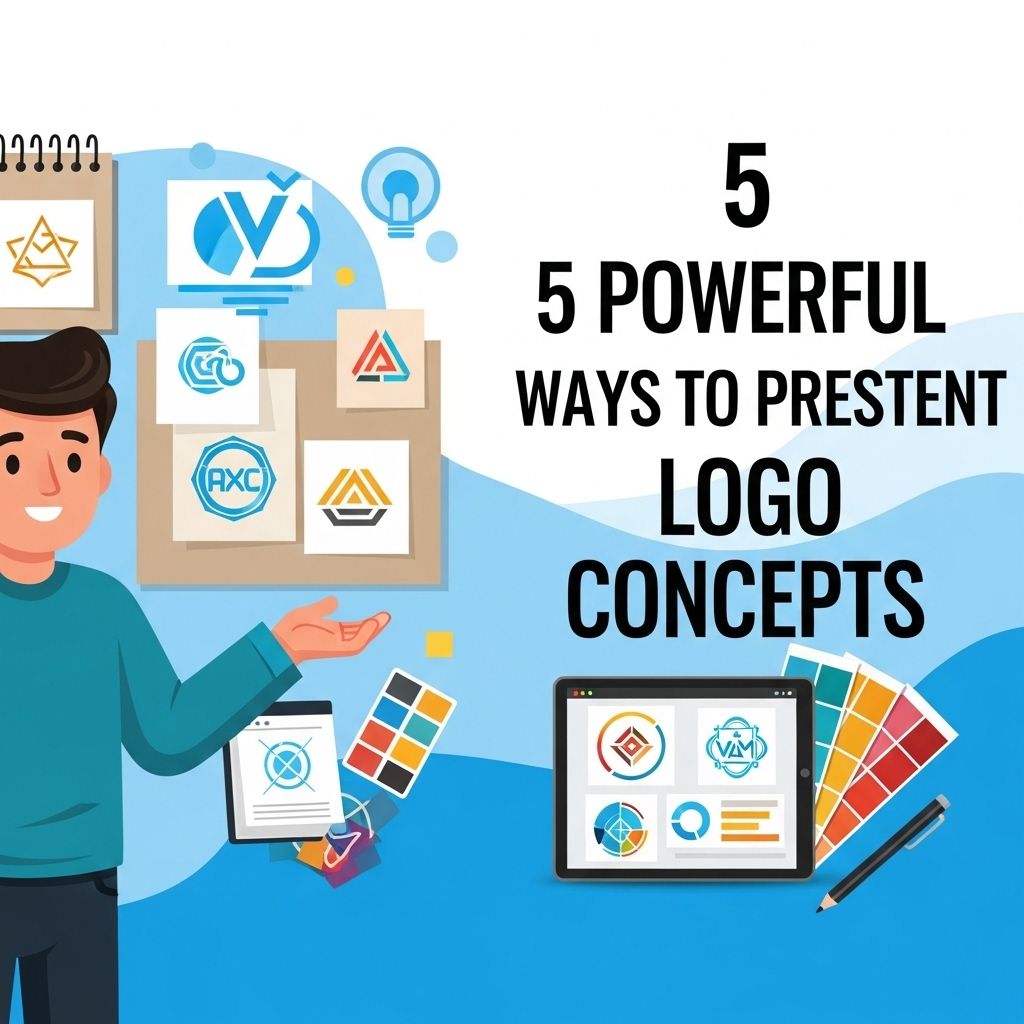
Presenting logo concepts is a critical step in the branding process. A well-crafted logo encapsulates the essence of a brand and sets the tone for its visual identity. However, how these concepts are presented can significantly influence client perception and acceptance. In this article, we will explore five powerful methods to present logo concepts effectively, ensuring that your designs are not only understood but also embraced.
Presenting logo concepts effectively is crucial in capturing client interest and conveying the brand’s vision. Here are five powerful ways to showcase your logo designs, ensuring they stand out and resonate with the intended audience. For inspiration, you can discover unique logo mockup ideas.
Understanding the Audience
Before diving into presentation techniques, it is essential to understand your audience. Each client has different expectations, preferences, and levels of design knowledge. Tailoring your presentation to align with these factors can greatly enhance its effectiveness.
Researching Client Needs
Start by gathering information about the client’s business, target audience, and industry trends. Consider the following:
- What emotions should the logo evoke?
- Who are the primary competitors?
- What are the brand values and mission statement?
Storytelling through Design
Engaging storytelling is a powerful tool in presentations. When presenting logo concepts, narrate the story behind each design choice. This approach not only makes the presentation more captivating but also helps clients connect emotionally with the logo.
Creating a Narrative
Incorporate the following elements into your narrative:
- Inspiration: Explain what inspired the logo design. This could be a particular shape, a color palette, or cultural references.
- Symbolism: Discuss the meanings behind specific elements in the logo, such as shapes, colors, and typography.
- Brand Alignment: Illustrate how the logo reflects the brand’s identity and values.
Utilizing Mockups and Context
One of the most effective ways to present logo concepts is by placing them in context. Using mockups allows clients to visualize how the logo will look in real-life scenarios. This can significantly enhance their understanding and appreciation of the design.
Types of Mockups
Consider using the following mockups:
| Type | Description |
|---|---|
| Business Cards | Show how the logo appears on business cards for a tangible feel. |
| Stationery | Display the logo on letterheads, envelopes, and other stationery. |
| Merchandise | Visualize the logo on promotional items like t-shirts, mugs, and bags. |
| Digital Assets | Illustrate the logo on websites, social media profiles, and mobile apps. |
Interactive Presentations
Incorporating interactivity into your presentation can engage clients in a unique way. Instead of a one-way presentation, invite clients to participate. This could involve allowing them to provide feedback on each concept in real time or even experimenting with variations of the logo themselves.
Tools for Interactivity
Consider using tools such as:
- Miro: A collaborative online whiteboard platform that allows for real-time feedback and brainstorming.
- Figma: Design software that enables clients to interact with logo designs directly.
- Slideshows with Polls: Use platforms that allow audience polling to gauge client preferences on various design elements.
Feedback and Iteration
Encouraging feedback is crucial in the logo presentation process. Establishing an open dialogue allows for the refinement of concepts and ensures client satisfaction. Be prepared to iterate on designs based on client input.
Structured Feedback Process
Implement a structured feedback process by:
- Setting clear expectations for feedback during the presentation.
- Taking notes on all client comments to ensure all concerns are addressed.
- Offering follow-up revisions to show responsiveness to their needs.
By providing a clear path for feedback, you enable a collaborative environment that can lead to a more refined and satisfactory logo design.
Conclusion
Effectively presenting logo concepts is a multifaceted process that combines research, storytelling, mockups, interactivity, and a solid feedback mechanism. By employing these five powerful methods, you can enhance the likelihood of your designs being accepted and celebrated. Remember, the goal of a presentation is not just to showcase your work, but to forge a connection between the logo and the brand it represents, ensuring a lasting impression on both the client and their audience.
FAQ
What are effective methods to present logo concepts to clients?
Utilize mockups to showcase the logo in real-life scenarios, create a presentation that details the design process, use color variations to demonstrate versatility, provide context by showing the logo in different applications, and share rationale behind design choices.
How can I make my logo presentation more engaging?
Incorporate storytelling elements to connect the logo concept with the brand’s values, use high-quality visuals, and include interactive elements or live demonstrations to keep the audience engaged.
What tools can I use to present logo concepts effectively?
Consider using design software like Adobe Illustrator for visuals, presentation software like PowerPoint or Keynote for structured delivery, and online mockup generators to create realistic product displays.
Should I provide multiple logo variations during the presentation?
Yes, presenting multiple variations allows clients to see different interpretations of the logo and helps them choose the design that best aligns with their vision.
How important is client feedback in the logo presentation process?
Client feedback is crucial; it provides insight into their preferences and expectations, allowing you to refine the design and ensure it meets their needs.
What should I include in my logo presentation besides the designs?
Include the design rationale, target audience analysis, color psychology, typography choices, and potential applications of the logo to provide a comprehensive understanding of the concept.