Crafting a Winning Portfolio: Tips and Strategies
Learn effective strategies to build a winning portfolio that showcases your skills and attracts potential employers or clients.
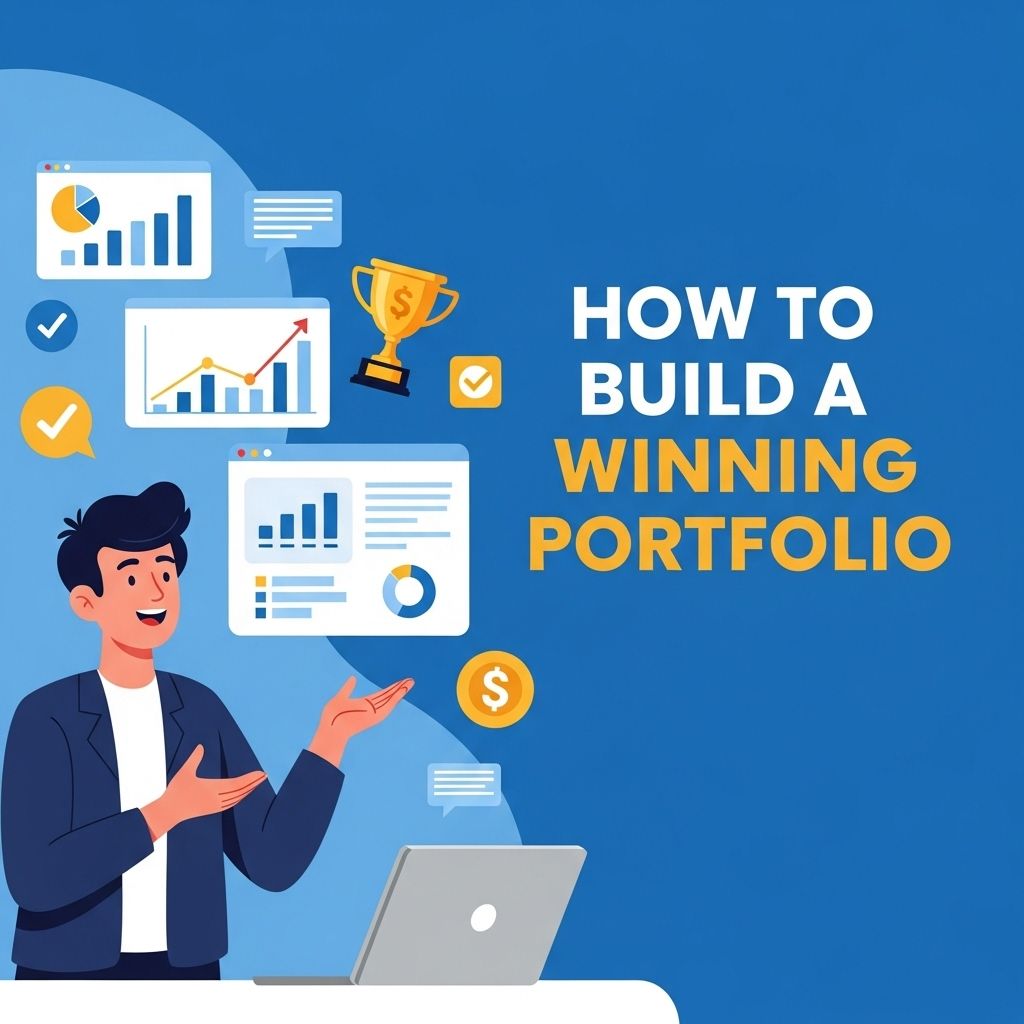
Creating a winning portfolio is an essential step for anyone looking to advance their career, whether you’re a designer, developer, or artist. A portfolio is more than just a collection of work; it is a reflection of your skills, creativity, and personal brand. In today’s competitive job market, having an impressive portfolio can set you apart from others and open doors to new opportunities.
Creating a standout portfolio is essential for showcasing your skills and attracting potential clients. Focusing on presentation, coherence, and variety can significantly enhance your work’s appeal. For inspiration, be sure to explore our logo mockup collection to find high-quality presentations that could elevate your designs.
Understanding the Purpose of Your Portfolio
Before diving into the specifics of building your portfolio, it’s crucial to understand its purpose. Your portfolio serves several key functions:
- Showcase your skills and creativity
- Demonstrate your ability to solve problems
- Provide evidence of your professional experience
- Illustrate your personal brand and style
Identifying Your Target Audience
Knowing your audience is fundamental when creating a portfolio. Ask yourself the following questions:
- Who are you trying to impress?
- What type of work do they value?
- What format do they prefer?
Types of Portfolios
There are various types of portfolios, each serving a different purpose. Here are some of the most common:
- Digital Portfolio: A website or online platform showcasing your work, ideal for tech-savvy audiences.
- Physical Portfolio: A printed collection of works, suitable for in-person interviews or presentations.
- Social Media Portfolio: Utilizing platforms like Instagram or Behance to display your work and connect with others.
Choosing the Right Platform
Your choice of platform can significantly impact how your portfolio is perceived. Here are some popular options:
| Platform | Best For | Cost |
|---|---|---|
| WordPress | Customizable websites | Free / Paid |
| Wix | Beginner-friendly design | Free / Paid |
| Behance | Creative professionals | Free |
| GitHub | Developers and coders | Free |
Content to Include in Your Portfolio
Your portfolio should contain a variety of elements that reflect your skills and personality. Here’s a breakdown of what to include:
1. Introduction
Start with a brief introduction that explains who you are and what you do. This is your chance to make a strong first impression.
2. Showcase Projects
Select a variety of projects that best represent your skills. Include:
- A brief description of each project
- Your role in the project
- Technologies used
- Links to the project or case studies
3. Personal Projects
Including personal projects can show your passion and creativity. They can also highlight your skills outside of client work.
4. Resume and Skills
Incorporate a downloadable PDF of your resume, along with a section outlining your skills and tools you’re proficient in.
5. Testimonials
Adding testimonials from clients or colleagues can enhance your credibility and give potential employers insight into your work ethic.
Design and Aesthetics
An effective portfolio is not only about content; it’s also about design. Keep the following elements in mind:
- Consistency: Use a cohesive color scheme and typography throughout.
- Usability: Ensure easy navigation, so viewers can find what they’re looking for quickly.
- Visual Appeal: Use high-quality images and graphics that enhance your work.
Promoting Your Portfolio
1. Networking
Share your portfolio with your professional network, social media, and at industry events. Connect with others who can help amplify your work.
2. SEO Optimization
Optimize your portfolio for search engines by using relevant keywords, alt text for images, and meta descriptions.
3. Blog About Your Work
Creating blog posts that detail your projects or share insights about your industry can drive more traffic to your portfolio.
Keeping Your Portfolio Updated
To maintain a winning portfolio, it’s essential to regularly update it with new projects, skills, and experiences. Aim to:
- Review your portfolio every 6 months
- Add new work that reflects your current skill level
- Remove older projects that no longer represent your best work
Conclusion
Building a winning portfolio is an ongoing process that requires attention to detail, creativity, and a strong understanding of your audience. By showcasing your skills effectively and promoting your work, you can create a portfolio that not only attracts potential employers but also reflects your unique brand. Remember, your portfolio is a living document—continuously refine and enhance it as you grow in your career.
FAQ
What are the key elements of a winning portfolio?
A winning portfolio typically includes a clear investment strategy, diversification across asset classes, regular monitoring and rebalancing, and alignment with your financial goals.
How do I determine my risk tolerance when building a portfolio?
To determine your risk tolerance, consider your investment goals, time horizon, and comfort level with market fluctuations. You can also use online questionnaires or consult a financial advisor.
What is the importance of diversification in a portfolio?
Diversification helps to spread risk across various investments, reducing the impact of a poor-performing asset on your overall portfolio and improving the potential for returns.
How often should I rebalance my investment portfolio?
It’s recommended to review and rebalance your portfolio at least once a year, or more frequently if there are significant market changes or life events that affect your financial situation.
What types of assets should I include in my investment portfolio?
A well-rounded portfolio may include stocks, bonds, mutual funds, ETFs, real estate, and alternative investments, tailored to your risk tolerance and investment goals.
Can I build a winning portfolio without a financial advisor?
Yes, you can build a winning portfolio on your own by educating yourself about investment principles, using online resources, and leveraging investment tools and platforms for guidance.