Boost Your Content Strategy with Data Analytics
Discover how to leverage data analytics to enhance your content strategy, improve engagement, and drive results in your marketing efforts.
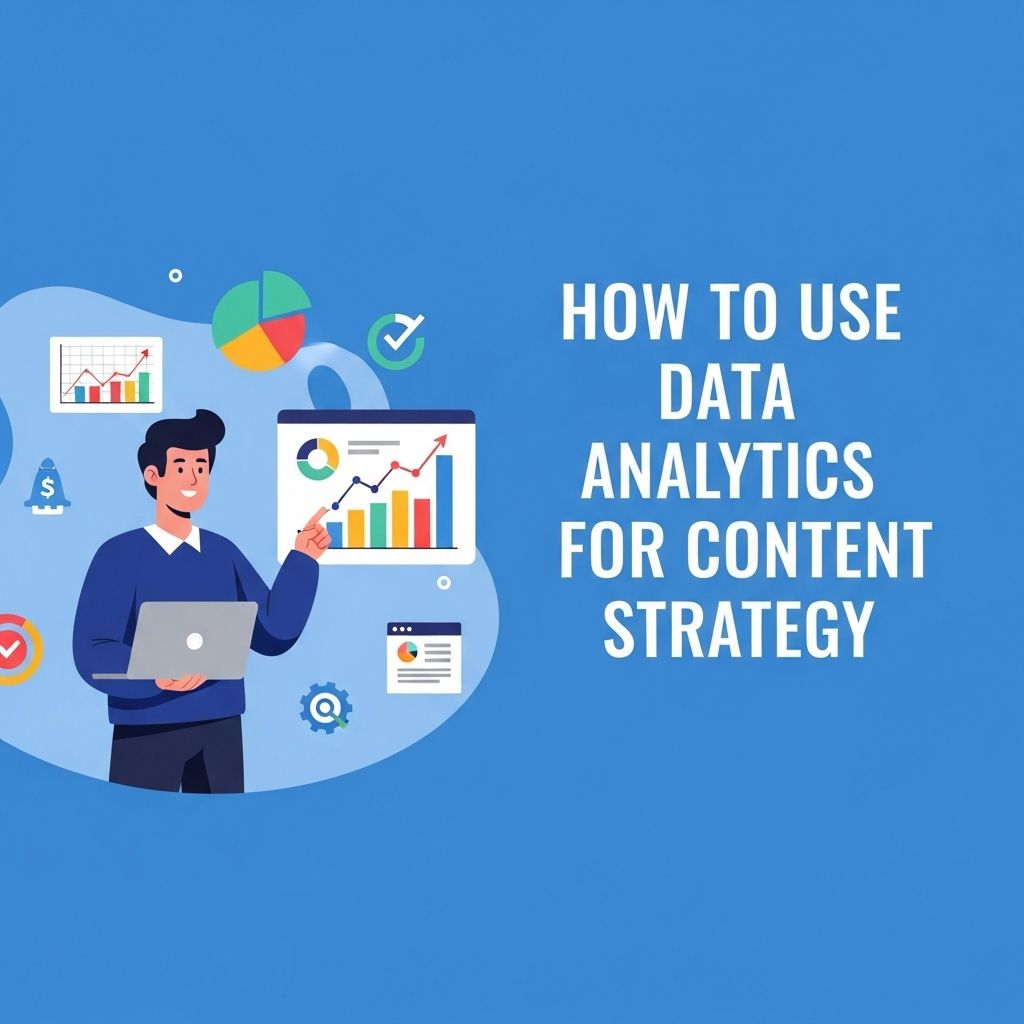
In an era where content is king, leveraging data analytics to shape a robust content strategy has become imperative for businesses and marketers alike. The ability to analyze metrics and draw insights from user behavior, engagement, and preferences allows organizations to tailor their content effectively. This guide explores how to harness the power of data analytics in crafting a content strategy that resonates with target audiences and drives results.
In today’s digital landscape, leveraging data analytics can greatly enhance your content strategy by providing actionable insights into audience behavior and preferences. By understanding what resonates with your target market, you can create more effective content that drives engagement and conversions. For a polished brand presentation, check out our premium logo mockups.
Understanding the Importance of Data Analytics in Content Strategy
Data analytics plays a crucial role in informing content strategy by providing actionable insights that help brands make informed decisions. Here are key reasons why data analytics should be at the forefront of your content strategy:
- Informed Decision-Making: Data helps in understanding what content works and what doesn’t, allowing for strategic pivots.
- User-Centric Approach: By analyzing user data, brands can create content that aligns with audience interests and needs.
- Performance Measurement: Tracking metrics enables marketers to measure the effectiveness of their content and adjust strategies accordingly.
- Resource Optimization: Focus resources on high-performing content to maximize return on investment (ROI).
Key Metrics to Analyze
To effectively utilize data analytics, it’s essential to focus on key performance indicators (KPIs) that provide insights into your content’s performance. Some important metrics include:
1. Engagement Metrics
Engagement metrics indicate how users interact with your content. Key engagement metrics include:
- Page Views
- Average Time on Page
- Bounce Rate
- Social Shares
2. Conversion Metrics
Conversion metrics measure how well your content drives desired actions, such as:
- Lead Generation
- Email Sign-Ups
- Downloads or Purchases
3. SEO Metrics
Search engine optimization is crucial for visibility. Important SEO metrics include:
- Organic Traffic
- Keyword Rankings
- Backlinks
4. Audience Demographics
Understanding your audience is key. Analyze demographics such as:
- Age
- Gender
- Geographic Location
- Interests
Tools for Data Analytics
Several tools can aid in gathering and analyzing data. Here are some popular options:
| Tool | Purpose | Pricing |
|---|---|---|
| Google Analytics | Website traffic and user behavior analysis | Free |
| SEMrush | SEO and keyword analysis | Starting at $119.95/month |
| BuzzSumo | Content performance and social media analytics | Starting at $99/month |
| Tableau | Data visualization and business intelligence | Starting at $70/user/month |
Building a Data-Driven Content Strategy
Once you have gathered your data, it’s time to integrate these insights into a cohesive content strategy. Here are steps to effectively build a data-driven content strategy:
1. Define Your Goals
Establish clear, measurable goals for your content strategy, such as:
- Increase website traffic by 20% over the next quarter.
- Boost lead generation by 15% through content offers.
- Enhance social media engagement by 30% in six months.
2. Identify Your Target Audience
Use data analytics to create audience personas based on demographics, interests, and behaviors. This will ensure your content is relevant and engaging.
3. Content Gap Analysis
Conduct a content gap analysis to identify existing content versus audience needs. Utilize analytics to find topics that are either underrepresented or demonstrate high interest without adequate coverage.
4. Content Planning and Creation
Plan your content calendar based on data insights, scheduling content that aligns with peak engagement times. When creating content, consider:
- Types of content (blogs, videos, infographics)
- Optimal length and format
- Tone and style suited to your audience
5. Monitor and Adjust
Once your content is published, continuously monitor performance using your defined metrics. Adjust your strategy according to what the data reveals about content performance and audience preferences.
Case Studies of Data-Driven Content Strategy
Examining real-life examples can provide valuable insights into effective data-driven content strategies:
Case Study 1: HubSpot
HubSpot utilizes detailed data analytics to optimize its content strategy. By focusing on SEO metrics and user engagement, they create content that addresses user pain points.
Case Study 2: Netflix
Netflix leverages viewing data to influence content creation, making decisions based on user preferences and viewing habits. This data-driven approach has led to popular original series that align with audience demands.
Conclusion
Incorporating data analytics into your content strategy is essential in today’s digital landscape. By understanding key metrics, utilizing effective tools, and continually monitoring performance, businesses can create targeted, impactful content that resonates with their audience. As technology evolves, staying informed and adapting your strategy will ensure sustained success.
FAQ
What is data analytics in content strategy?
Data analytics in content strategy refers to the process of collecting, analyzing, and interpreting data to inform and optimize content creation and distribution.
How can data analytics improve my content marketing efforts?
Data analytics can improve content marketing by identifying audience preferences, measuring content performance, and guiding future content development based on insights.
What tools can I use for data analytics in my content strategy?
Popular tools for data analytics in content strategy include Google Analytics, SEMrush, HubSpot, and social media analytics platforms.
How do I measure the success of my content using data analytics?
You can measure content success by tracking metrics such as page views, engagement rates, conversion rates, and social shares.
Can data analytics help in audience segmentation?
Yes, data analytics can assist in audience segmentation by analyzing user behavior and preferences, allowing for more targeted content creation.
What types of data should I analyze for content strategy?
You should analyze data such as website traffic, user demographics, content engagement metrics, and social media interactions to inform your content strategy.