10 Powerful Lead Magnet Ideas for Coaches
Discover 10 effective lead magnet ideas that coaches can use to attract and engage potential clients.
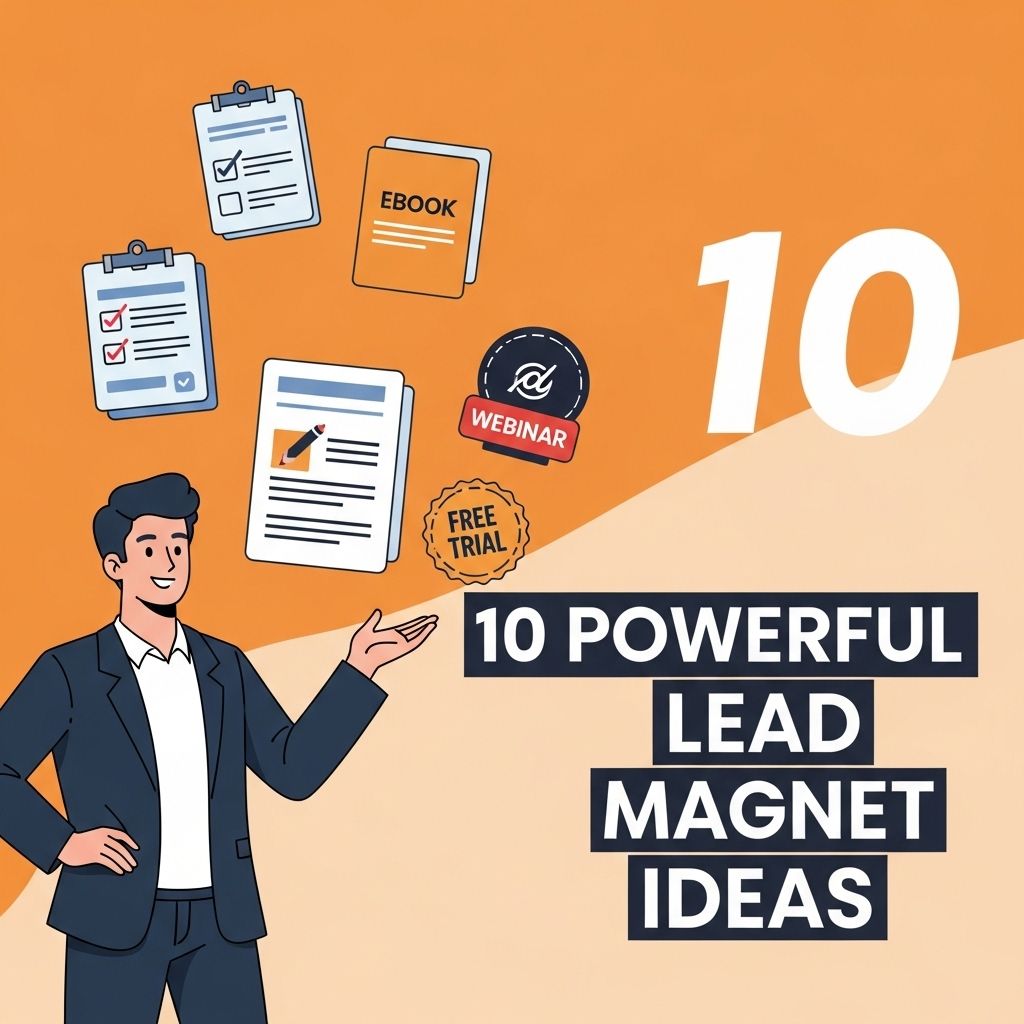
In the competitive world of coaching, attracting new clients requires more than just skill and experience. To stand out, coaches must offer value that resonates with their target audience, and this is where lead magnets come into play. A lead magnet is a valuable resource that is offered for free in exchange for a potential client’s contact information. This article explores ten powerful lead magnet ideas specifically tailored for coaches looking to build their email lists and enhance their client engagement.
As a coach, attracting potential clients is essential, and using effective lead magnets can significantly enhance your reach. From free e-books to engaging webinars, the right lead magnet can showcase your expertise and provide real value to your audience. For those looking to elevate their branding alongside their coaching strategy, consider utilizing unique logo mockups to create a professional presence—discover unique logo mockup ideas that resonate with your target market.
1. Free E-books and Guides
Creating an informative e-book or guide can serve as an excellent lead magnet. This resource can consolidate your expertise into a digestible format that your audience can easily understand. Here are some tips for creating an effective e-book:
- Choose a specific topic relevant to your coaching niche.
- Provide actionable insights and practical steps.
- Ensure your e-book is visually appealing and easy to read.
Example Topics:
- “The Ultimate Guide to Personal Development”
- “10 Steps to Effective Life Coaching”
- “Building Resilience in Times of Change”
2. Webinars
Webinars are highly effective lead magnets that not only generate interest but also provide real-time interaction with potential clients. A well-structured webinar can showcase your coaching abilities and expertise, allowing you to engage with your audience directly. Consider the following when planning a webinar:
- Select a relevant and exciting topic that addresses your audience’s pain points.
- Promote the webinar through various channels, including emails and social media.
- Utilize interactive elements such as polls and Q&A sessions to maintain engagement.
Best Practices:
- Limit your webinar to 60-90 minutes to maintain audience interest.
- Provide a compelling call-to-action at the end to encourage conversions.
- Follow up with participants with additional resources.
3. Checklists
Checklists are simple but powerful tools that can help your audience stay organized and focused on their goals. As a coach, you can create checklists that align with the challenges your clients face. Consider these ideas:
- Goal-setting checklists.
- Weekly planning checklists.
- Self-care checklists for stress management.
Benefits:
- Easy to create and distribute.
- Provides immediate value to your audience.
- Encourages users to opt-in for more resources.
4. Templates
Templates save time and provide structure for your clients. Offering templates related to your coaching niche can help prospects visualize their goals and strategies. Some ideas include:
- Coaching session templates that outline session goals and objectives.
- Action plan templates for client accountability.
- Budgeting templates for financial coaching.
How to Create Effective Templates:
- Ensure that they are user-friendly and visually appealing.
- Include clear instructions on how to use them.
- Ask for feedback to improve your templates over time.
5. Free Trials or Sessions
Offering a complimentary trial or session can be a compelling way to attract new clients. This approach allows potential clients to experience your coaching style and the value you provide firsthand. Here are some tips for implementing this strategy:
- Clearly communicate what’s included in the free session.
- Set expectations for what clients can achieve during the trial.
- Follow up with participants to encourage them to sign up for paid services.
Follow-Up Strategies:
- Send a thank-you email with additional resources.
- Offer special discounts for signing up after the trial.
- Solicit feedback to improve future sessions.
6. Quizzes and Assessments
Interactive quizzes and assessments can generate excitement while providing valuable insights for both you and your audience. By creating a quiz related to your coaching niche, you can help prospects identify their strengths and weaknesses. Here’s how to approach this method:
- Craft questions that lead to personalized results.
- Use a user-friendly platform to host your quiz.
- Encourage participants to provide contact information to receive their results.
Popular Quiz Ideas:
- “What Type of Coach Do You Need?”
- “Assess Your Leadership Skills”
- “How Resilient Are You?”
7. Resource Libraries
Creating a resource library full of valuable materials can be an attractive lead magnet for potential clients. This library can include e-books, audio files, videos, worksheets, and more. Here are some key points:
- Organize resources by category for easy navigation.
- Regularly update the library with new materials.
- Promote it as an exclusive benefit for subscribers.
Considerations for Resource Libraries:
- Ensure content is high-quality and relevant.
- Provide a simple registration process for access.
- Utilize a visually appealing layout.
8. Email Courses
Email courses can engage potential clients over a series of days or weeks, gradually building trust and authority in your coaching niche. This method effectively nurtures leads and keeps them connected. To create a successful email course:
- Break down a topic into manageable lessons.
- Include actionable steps and resources in each email.
- Encourage interaction and provide a feedback loop.
Example Course Ideas:
- “7 Days to a More Productive You”
- “Building Confidence in 10 Easy Steps”
- “Unlocking Your Creativity: A 5-Day Challenge”
9. Case Studies
Sharing success stories can be a powerful motivator for potential clients. Case studies demonstrate how your coaching methods have positively impacted others, building trust and credibility. Here’s how to create effective case studies:
- Get permission from clients to share their stories.
- Highlight specific challenges, solutions, and outcomes.
- Use visuals to enhance storytelling.
Components of an Effective Case Study:
- Client background and challenges.
- Your coaching approach and strategies.
- Results and client testimonials.
10. Exclusive Community Access
Creating a community for your clients can be an attractive lead magnet. This space allows clients to connect, share experiences, and support one another. Here’s how to develop this idea:
- Choose a platform that is user-friendly.
- Establish clear guidelines and objectives for the community.
- Facilitate engagement through regular activities and discussions.
Benefits of Community Access:
- Fosters a sense of belonging and support.
- Encourages organic referrals through client connections.
- Positions you as a leader in your niche.
In conclusion, using these lead magnet strategies can significantly enhance your coaching business’s ability to attract and retain clients. By providing valuable resources and fostering connections, you position yourself as an authority in your field, ultimately leading to sustainable growth and success.
FAQ
What is a lead magnet?
A lead magnet is a valuable resource or incentive offered to potential clients in exchange for their contact information, helping coaches build their email lists and nurture leads.
How can I create an effective lead magnet for coaching?
To create an effective lead magnet, identify your target audience’s pain points and offer a solution, such as a free guide, checklist, or webinar that showcases your expertise.
What are some examples of lead magnets for coaches?
Examples of lead magnets for coaches include free eBooks, templates, worksheets, video series, challenges, and access to exclusive webinars.
How do I promote my lead magnet?
Promote your lead magnet through social media, your website, email marketing, and partnerships with other professionals in your niche to reach a wider audience.
How often should I update my lead magnet?
It’s a good idea to update your lead magnet regularly, at least once a year, to ensure the content remains relevant and valuable to your audience.
Can lead magnets help me establish authority as a coach?
Yes, lead magnets can help you establish authority by demonstrating your knowledge and expertise, providing value to your audience, and building trust.