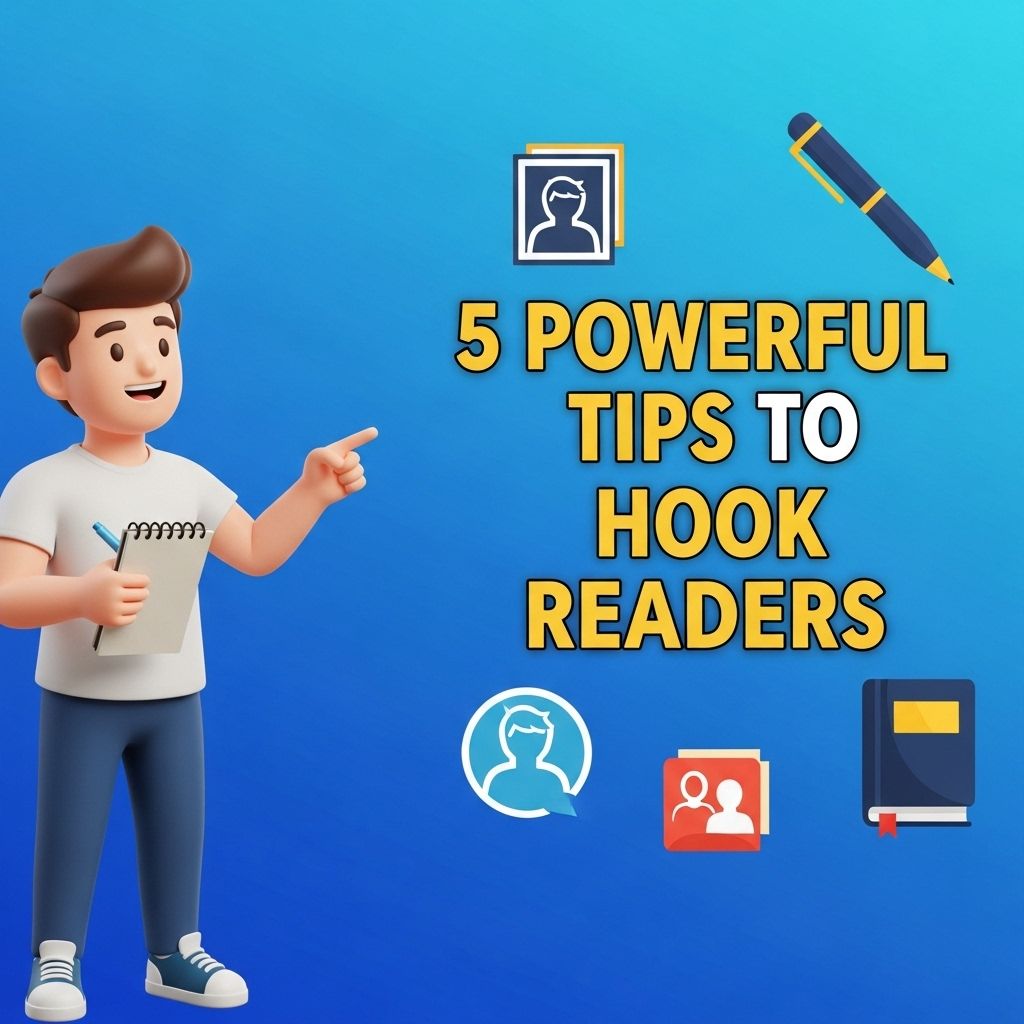
5 Powerful Tips to Hook Readers
Discover 5 powerful tips to engage and hook your readers from the very first sentence. Boost your writing and captivate your audience!
In the fast-paced world of digital content, capturing the attention of readers has become a formidable challenge. With countless distractions at their fingertips, writers need to implement effective strategies to engage their audience right from the first sentence. This article delves into five powerful tips that can help writers hook their readers and keep them invested in their content.
Capturing a reader’s attention is crucial for any content creator, and utilizing effective strategies can make a significant difference. In this article, we will explore 5 powerful tips to hook your readers from the very first sentence, ensuring they remain engaged throughout. For those looking to enhance their visual presentation, you can explore our logo mockup collection as an added inspiration.
Understand Your Audience
The first step in crafting compelling content is to understand who your audience is. Knowing your readers’ preferences, interests, and pain points is crucial in creating material that resonates with them. Here are some strategies to get to know your audience better:
- Conduct surveys: Ask your audience directly what they like to read.
- Analyze trends: Utilize tools like Google Trends to see what topics are currently popular.
- Engage on social media: Observe the discussions, shares, and likes to understand what captivates your target audience.
Create Compelling Headlines
Your headline is the first thing a reader sees, and it can determine whether they choose to engage with your content or scroll past it. A compelling headline should be clear, intriguing, and relevant. Here are some effective techniques for crafting eye-catching headlines:
Types of Headlines That Attract Attention
- Questions: Pose a question that your audience is curious about.
- How-to Guides: Offer practical solutions to common problems.
- Lists: Use numbered lists to break down complex information into digestible parts.
- Bold Statements: Make a bold claim that challenges conventional wisdom.
Start with a Hook
The opening sentence of your article is your chance to make a strong first impression. A hook serves to grab the reader’s attention and compel them to read further. Here are some effective ways to start:
Engaging Opening Techniques
- Anecdotes: Share a personal story or relatable experience.
- Statistics: Present surprising facts or figures that pique interest.
- Quotes: Use a powerful quote relevant to your topic.
- Vivid Imagery: Paint a picture with words to engage the reader’s imagination.
Utilize Subheadings and Formatting
Breaking your content into sections with subheadings not only makes it easier to read but also helps maintain the reader’s attention. Here’s how to effectively use formatting:
Best Practices for Formatting
- Short paragraphs: Keep paragraphs concise to avoid overwhelming the reader.
- Bullet points: Use bullet points to highlight key information.
- Bold and italics: Emphasize important phrases to draw attention.
Include Visual Elements
Visual elements can significantly enhance the appeal of your content. They provide a break from text and can make information easier to understand. Consider incorporating the following:
Visual Types to Engage Readers
| Type | Description |
|---|---|
| Images | High-quality images relevant to the topic. |
| Infographics | Visual representations of data or complex information. |
| Videos | Short videos that explain or complement the content. |
| Graphs and Charts | Visual aids that illustrate statistics or trends. |
Incorporating these visual elements can help simplify complicated ideas and keep your audience engaged.
Craft a Strong Conclusion
Your conclusion is the final opportunity to leave a lasting impression on your readers. A well-crafted conclusion can reinforce your key points and encourage further action. Here are some strategies for writing an impactful conclusion:
Techniques for a Memorable Conclusion
- Summarize key points: Recap the main takeaways of your article.
- Call to action: Encourage readers to engage further, whether it’s through comments, shares, or exploring related content.
- Leave a thought-provoking statement: End with a question or a bold statement that encourages readers to think further about the topic.
In summary, hooking readers is an art that combines understanding your audience, crafting compelling headlines, starting with an engaging hook, utilizing effective formatting, incorporating visual elements, and concluding strongly. By following these tips, writers can significantly enhance the appeal of their content and keep readers coming back for more.
FAQ
What are effective ways to hook readers in my writing?
Use compelling headlines, start with a strong anecdote, ask thought-provoking questions, incorporate vivid imagery, and provide surprising statistics.
How can I create a captivating introduction?
Begin with a hook that grabs attention, such as a bold statement or an intriguing fact, to entice readers to continue.
Why is storytelling important for engaging readers?
Storytelling creates an emotional connection, making the content relatable and memorable, which keeps readers invested.
What role do visuals play in hooking readers?
Visuals can break up text, highlight key points, and enhance understanding, making the content more appealing and engaging.
How can I maintain reader interest throughout my writing?
Use varied sentence structures, incorporate engaging subheadings, and include interactive elements like questions or calls to action.
What common mistakes should I avoid when trying to hook readers?
Avoid long-winded introductions, excessive jargon, and a lack of structure, which can deter readers from continuing.