10 Powerful Storyboarding Examples You Need
Explore 10 inspiring storyboarding examples that can elevate your creative projects and enhance storytelling techniques.
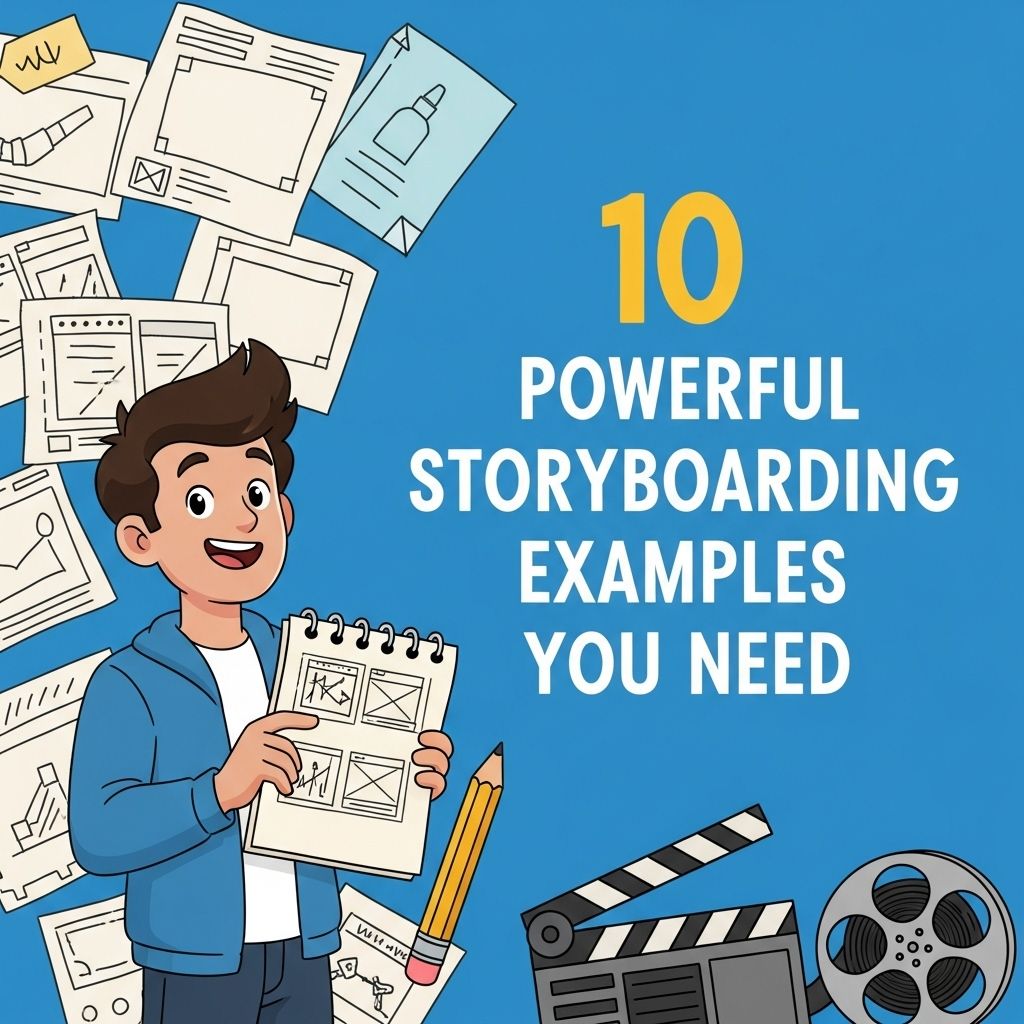
Storyboarding is an essential part of the creative process, providing a visual representation of a narrative. Through storyboards, complex ideas can be distilled into simplified, digestible sequences that convey emotions, actions, and transitions effectively. For filmmakers, animators, and designers alike, powerful storyboarding is crucial to ensuring a coherent and engaging story. In this article, we will explore ten exceptional storyboarding examples that showcase various techniques and approaches.
Storyboarding is an essential tool for visual storytelling, helping creators to plot their narratives effectively. In this article, we explore 10 powerful storyboarding examples that demonstrate diverse techniques and approaches, inspiring you to elevate your projects. For additional design insights, you can also learn how to use logo mockups effectively.
1. The Classic Film Storyboard
Many iconic films have employed traditional storyboarding to visualize scenes before filming. A classic example is Alfred Hitchcock’s ‘Psycho,’ a film famous for its suspenseful sequences.
- Key Scene: The iconic shower scene.
- Technique: Detailed frame-by-frame breakdown.
- Impact: Heightened tension through visual pacing.
How it Works
The shower scene in ‘Psycho’ demonstrates how storyboarding can create rhythm and suspense. Each frame outlines the camera angles, character positions, and action sequences, allowing filmmakers to visualize timing and transitions effectively.
2. Animation Storyboards
Animators rely heavily on storyboarding to convey movement and action, as seen in Disney’s animated classics. For example, ‘The Lion King’ utilized storyboards to develop character arcs and emotional beats.
Elements of Animation Storyboarding
When creating storyboards for animation, consider:
- Character movements and expressions.
- Scene transitions and pacing.
- Background designs and elements.
3. Video Game Storyboarding
In the gaming industry, storyboarding helps to outline gameplay mechanics and plot development. ‘The Last of Us’ is an excellent example of effective video game storyboarding, merging narrative with gameplay.
Key Features
Video game storyboards often include:
| Feature | Description |
|---|---|
| Interactive Elements | Illustrates player choices and consequences. |
| Level Design | Outlines the layout and environmental interactions. |
| Character Development | Focuses on player character motivations and backstories. |
4. Advertising Storyboards
In advertising, storyboards are crucial for visualizing commercial narratives before production. An exemplary storyboard can turn a simple concept into a compelling advertisement, as seen in Apple’s iconic ‘Think Different’ campaign.
Essential Components
Advertising storyboards typically include:
- Target audience insights.
- Visual metaphors and symbols.
- Clear messaging points.
5. Comic Book Storyboarding
The comic book medium utilizes storyboarding to design panel layouts and pacing. A notable example is Alan Moore’s ‘Watchmen,’ which cleverly employs panels to enhance storytelling.
Why Storyboarding is Key
In comics, storyboarding helps define:
- Panel transitions and flow.
- Character dialogue and interactions.
- Emotional impacts through visual storytelling.
6. Educational Storyboards
Educators increasingly use storyboarding to create engaging learning materials. For instance, the ‘Flipped Classroom’ model benefits from visual aids that outline course content.
Strategies for Educational Storyboarding
When developing educational storyboards, consider:
- Learning objectives.
- Visual hierarchies for content.
- Interactive elements for student engagement.
7. Television Storyboarding
In television, storyboarding is vital for planning episodes effectively. Popular series like ‘Game of Thrones’ have utilized storyboarding to manage complex narratives and character arcs.
Benefits of Storyboarding in TV
Television storyboarding facilitates:
- Cohesive storytelling across episodes.
- Efficient production schedules.
- Character continuity and development.
8. Virtual Reality Storyboards
With the rise of virtual reality, storyboarding has adapted to support immersive experiences. Projects like ‘The Invisible Hours’ have showcased intricate storyboarding to map out player interactions.
Unique Aspects of VR Storyboarding
VR storyboards must account for:
- User agency and choice.
- Multi-dimensional spaces.
- Emotional engagement through immersion.
9. Environmental Storyboarding
Designers often use storyboarding to visualize the interaction between characters and their environments. An excellent example can be found in indie games like ‘Journey,’ which emphasizes landscape storytelling.
Visualizing Environments
Environmental storyboards should depict:
- Spatial relationships between characters and settings.
- Atmospheric effects and color schemes.
- Interactive elements within the environment.
10. Short Film Storyboards
Short films are an excellent platform for experimenting with storyboarding techniques. A notable example is ‘Piper,’ a Pixar short that masterfully combines visuals and storytelling.
Key Takeaways for Short Film Storyboarding
When storyboarding for short films, remember:
- Conciseness in storytelling.
- Strong visual metaphors.
- Emotional impact in a brief format.
In conclusion, storyboarding is an invaluable tool in various creative fields, allowing storytellers to outline and visualize their narratives effectively. Whether in film, animation, video games, or advertising, the examples highlighted above illustrate the versatility and importance of strong storyboarding practices. By studying these powerful examples, aspiring creators can enhance their storytelling skills and better understand how to engage their audiences through compelling visuals.
FAQ
What is storyboarding?
Storyboarding is the process of creating a visual representation of a narrative or project, typically using a sequence of images or illustrations to outline scenes, actions, and transitions.
Why is storyboarding important in filmmaking?
Storyboarding is crucial in filmmaking as it helps visualize the script, plan shots, organize the sequence of events, and communicate the director’s vision to the crew.
How can storyboarding improve my project planning?
Storyboarding improves project planning by allowing you to map out ideas visually, identify potential issues early, and create a clear roadmap for execution.
What are some common tools used for storyboarding?
Common tools for storyboarding include software like Storyboarder, Toon Boom, and Adobe Illustrator, as well as traditional methods like sketching on paper or using sticky notes.
Can storyboarding be used outside of film and animation?
Yes, storyboarding can be applied to various fields, including advertising, game design, and even presentations, as it aids in visualizing concepts and narratives effectively.
What are some examples of powerful storyboarding techniques?
Powerful storyboarding techniques include using thumbnails for quick sketches, incorporating annotations for details, and employing color coding to differentiate scenes or elements.