Plan Your Content for Free: Smart Strategies
Discover effective strategies to plan your content using free tools, maximizing your reach without breaking the bank.
In the digital age, planning content effectively is crucial for success in any online endeavor. Whether you are a blogger, a digital marketer, or a small business owner, having a solid content plan can help streamline your efforts and optimize your outreach. The good news is that you don’t need to spend a dime to create an efficient content strategy. This article will guide you through various free tools and methodologies to craft your content plan from scratch.
Planning your content effectively can save you time and enhance your brand’s visual appeal. Utilizing smart strategies allows you to organize your ideas clearly and maintain consistency in your messaging. For instance, to bring your logo to life, check out our premium logo mockups that can elevate your design.
Understanding the Basics of Content Planning
Before diving into the tools, it’s essential to understand what content planning entails. Content planning is the process of outlining what content to create, when to publish it, and how to promote it. The main objectives of content planning include:
- Defining content goals and target audience
- Establishing a consistent posting schedule
- Ensuring content aligns with overall branding
- Monitoring performance and adjusting strategy
Identifying Your Audience
The first step in any content plan is to identify your target audience. Knowing who you are creating content for will guide your choice of topics, formats, and distribution channels. Here are some methods to help identify your audience:
Conduct Surveys
Use free survey tools like Google Forms or SurveyMonkey to gather insights directly from your audience. Ask questions that reveal their preferences, challenges, and interests.
Analyze Competitors
Examine your competitors’ content to understand what resonates with their audiences. Look for:
- Popular topics and formats
- Engagement levels (likes, shares, comments)
- Content gaps you can fill
Utilize Social Media Insights
Platforms like Facebook, Twitter, and Instagram offer analytics that can help you understand who is engaging with your content. Use these insights to tailor your strategy.
Content Idea Generation
Once you know your audience, the next step is to brainstorm content ideas. Here are some free methods to generate ideas:
Keyword Research
Use free tools like Ubersuggest or Google Keyword Planner to find relevant keywords that your audience is searching for. This can inspire blog posts, videos, or infographics.
Use Content Idea Generators
Websites like HubSpot’s Blog ideas generator can provide you with topic ideas based on keywords you input. This can be a great way to kickstart your brainstorming process.
Follow Trends
Stay updated with the latest trends using Google Trends or BuzzSumo to see what topics are currently popular. This can help you create timely content relevant to your audience.
Creating a Content Calendar
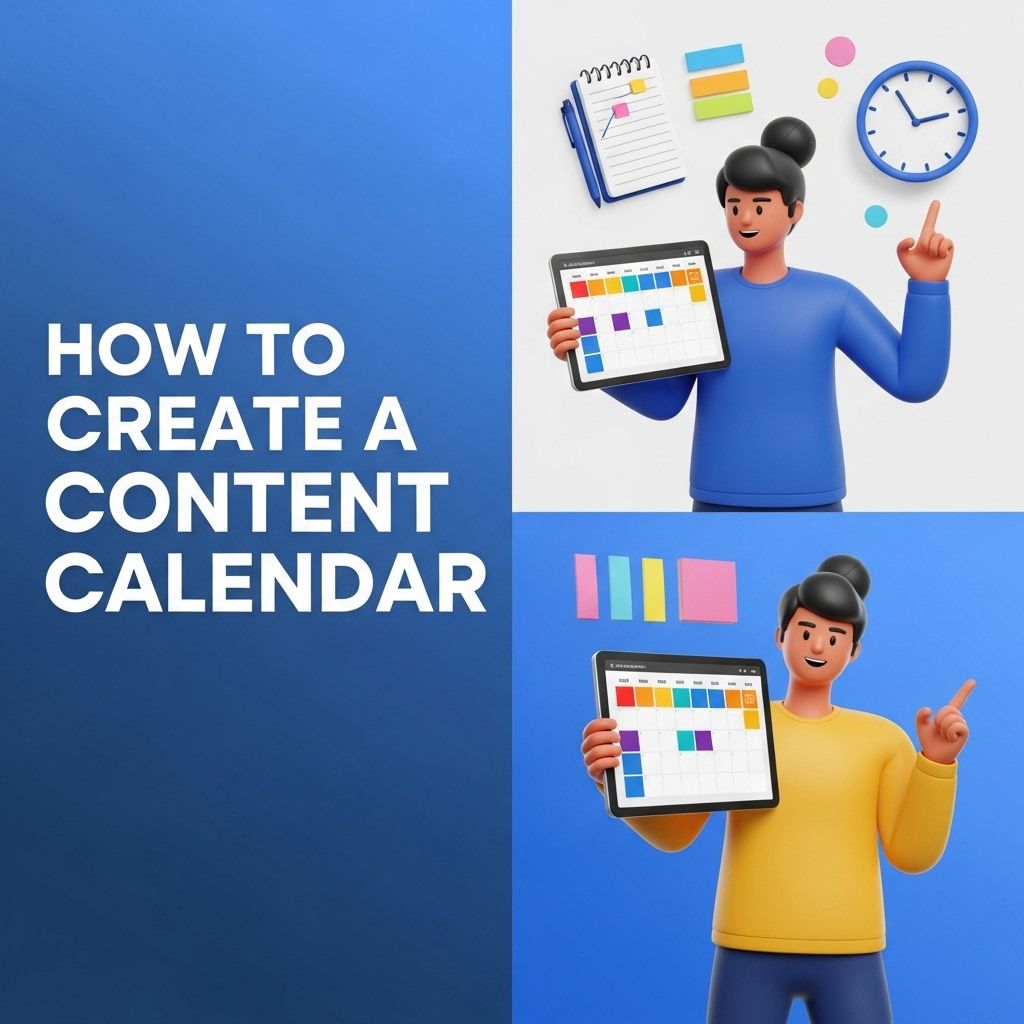
A content calendar is essential for organizing your content schedule and ensuring consistency. You can create one using free tools like Google Sheets or Trello. Here’s how to set it up:
- Define Your Content Types: Determine the types of content you will produce, such as articles, videos, podcasts, or social media posts.
- Set a Posting Frequency: Decide how often you want to publish content (daily, weekly, or monthly).
- Include Important Dates: Mark holidays, product launches, or events relevant to your audience to align your content with these dates.
- Assign Responsibilities: If you’re working with a team, clearly outline who is responsible for each piece of content.
Crafting Your Content
With your calendar in place, it’s time to create the content. Here are some tips for producing high-quality content without the need for expensive tools:
Leverage Free Writing Tools
Use free tools like Grammarly for grammar checks and Hemingway Editor for readability improvements. These can enhance the quality of your writing.
Design Visuals with Free Design Tools
Websites like Canva allow you to create stunning graphics for social media posts and blog headers without any design skills. You can utilize templates and customize them to fit your brand’s aesthetics.
Optimize for SEO
Utilize free SEO tools like Yoast SEO (for WordPress) to optimize your content. Focus on:
- Keyword placement
- Meta descriptions
- Alt tags for images
Promoting Your Content
Creating great content is only half the battle; promoting it is equally important. Here are some free promotional strategies:
Utilize Social Media
Share your content across various social media platforms. Tailor your messaging for each platform to increase engagement. Consider joining relevant groups to share your content with interested audiences.
Email Marketing
Use free email marketing platforms like Mailchimp to create newsletters or announcements. This helps keep your audience updated with your latest content.
Engage with Your Audience
Respond to comments and messages from your audience. Engaging with them not only builds relationships but can also lead to increased shares and visibility for your content.
Measuring Performance
Finally, it’s essential to measure the performance of your content to understand what works and what doesn’t. Here’s how you can track your content’s success:
Use Google Analytics
Set up Google Analytics on your website to track visits, bounce rates, and audience behavior. This data can help you refine your content strategy.
Monitor Social Media Engagement
Tools like Hootsuite offer free plans to monitor engagement on social media. Keep an eye on likes, shares, and comments to gauge how your content is performing.
Conclusion
Planning your content doesn’t have to be an expensive endeavor. With the right free tools and strategies, you can create a robust content plan that resonates with your audience and drives engagement. Remember to stay flexible, adjust your strategies based on performance data, and continually evolve your approach to meet your audience’s changing needs. Happy planning!
FAQ
What are the best free tools for content planning?
Some of the best free tools for content planning include Google Sheets, Trello, Notion, and Airtable. These tools allow you to organize your ideas, schedule posts, and collaborate with team members.
How can I create a content calendar without spending money?
You can create a content calendar using free tools like Google Calendar or Excel spreadsheets. Simply outline your posting schedule and topics to keep track of your content.
What strategies can I use to plan content on a budget?
Utilize social media insights, audience surveys, and keyword research tools like Ubersuggest or Google Trends to plan content that resonates with your audience without any cost.
How do I prioritize content ideas for my blog?
You can prioritize content ideas by assessing their relevance to your audience, search volume, and your own expertise. Use free tools like AnswerThePublic to find trending topics.
Can I use social media for content planning for free?
Yes, platforms like Twitter and Facebook can be used to gauge audience interests and trends. You can also join free groups and forums related to your niche for additional insights.
What are the benefits of using free content planning tools?
Free content planning tools help you stay organized, save costs, improve collaboration, and efficiently manage your content strategy without a financial investment.