Boost Sales Effortlessly with Automation Tools
Discover effective automation tools that can significantly boost your sales and streamline your business processes for increased efficiency.
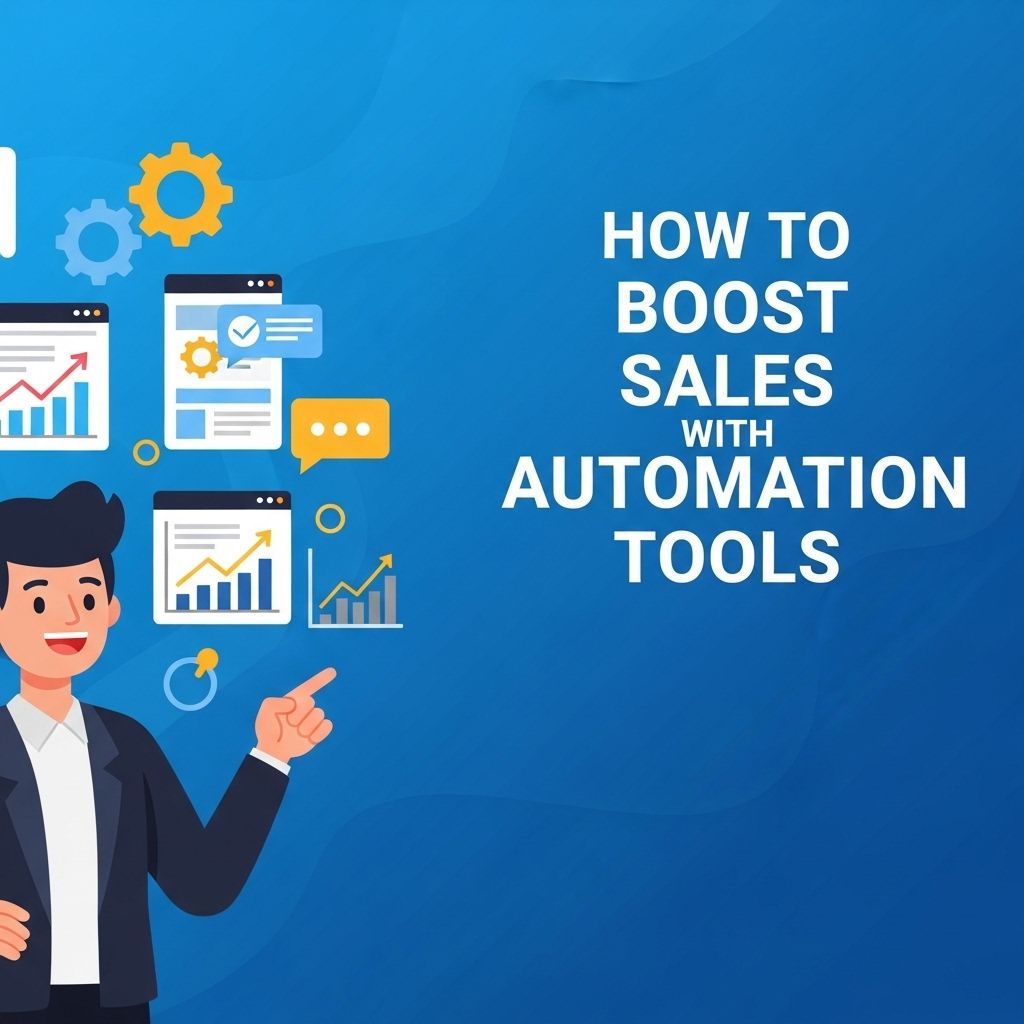
In today’s fast-paced digital landscape, businesses are constantly seeking innovative ways to enhance efficiency and maximize revenue. Automation tools have emerged as game-changers in this arena, offering the power to streamline processes, reduce human error, and ultimately boost sales. Understanding how to leverage these tools effectively can set your business apart from competitors and lead to unprecedented growth.
Boosting sales has never been easier with the integration of automation tools. By streamlining processes and enhancing productivity, businesses can focus on creative strategies to engage customers effectively. For those looking to elevate their branding, learn how to use logo mockups effectively to make a lasting impression.
Understanding Sales Automation
Sales automation refers to the use of software tools and systems to streamline repetitive tasks involved in the sales process. This can include everything from lead generation and email marketing to customer relationship management (CRM) and analytics.
Key Benefits of Sales Automation
- Increased Efficiency: Automating mundane tasks allows your sales team to focus on what they do best—selling.
- Improved Accuracy: Automation minimizes human errors, ensuring data integrity and accuracy in sales reporting.
- Enhanced Customer Experience: Personalized communication and timely follow-ups create a better experience for customers.
- Scalability: Automation tools can easily scale with your business, accommodating growth without the need for significant additional resources.
Types of Sales Automation Tools
Different categories of automation tools are designed to address various aspects of the sales process. Here are some of the most effective ones:
1. Customer Relationship Management (CRM) Software
CRM systems help manage customer interactions and data throughout the customer lifecycle, facilitating improved relationships and retention.
| Feature | Description |
|---|---|
| Lead Management | Track and manage leads throughout the sales funnel. |
| Reporting & Analytics | Generate insights on sales performance and customer behavior. |
| Task Automation | Automate routine tasks such as follow-ups and data entry. |
2. Email Marketing Automation
Email marketing platforms can automate campaigns, segment lists, and personalize content, leading to higher engagement rates.
3. Lead Generation Tools
These tools help identify and capture potential customers, often using tactics such as web scraping, social media outreach, and landing pages.
4. Sales Engagement Platforms
These platforms help streamline communication with prospects through various channels, including email, chat, and social media.
Implementing Automation in Your Sales Strategy
To effectively integrate automation into your sales strategy, consider the following steps:
Step 1: Define Your Goals
Identify what you aim to achieve through automation—whether it’s increasing lead generation, improving customer retention, or speeding up the sales cycle.
Step 2: Analyze Current Processes
Evaluate your existing sales workflows and pinpoint areas that can be automated for efficiency.
Step 3: Choose the Right Tools
Research and select automation tools that best fit your business needs and budget. Popular options include:
- HubSpot
- Salesforce
- Pipedrive
- Mailchimp
Step 4: Train Your Team
Ensure that your sales team is adequately trained on the new tools and understands how to leverage them effectively.
Step 5: Monitor and Optimize
Regularly monitor the performance of your automation tools and make necessary adjustments to optimize their effectiveness. Use key performance indicators (KPIs) to track success.
Best Practices for Sales Automation
To maximize the benefits of sales automation, adhere to these best practices:
1. Personalize Communication
Even with automation, ensure that your messaging remains personalized. Use customer data to craft tailored communications that resonate.
2. Maintain Human Touch
While automation can handle many tasks, it’s important to maintain a human touch in sales. Personal interactions are key to building relationships and trust.
3. Integrate Tools
Ensure that your automation tools integrate well with each other to create a seamless workflow. This improves data accuracy and reduces friction in your processes.
4. Regularly Update Content
Keep your automated communications fresh and relevant by regularly updating the content based on customer feedback and market trends.
Case Studies: Successful Automation Implementation
Here are a couple of examples of businesses that successfully implemented sales automation:
Case Study 1: SaaS Company
A mid-sized SaaS company integrated a CRM system to streamline its lead management process. By automating follow-ups and nurturing campaigns, they saw a 30% increase in conversions within three months.
Case Study 2: E-commerce Business
An e-commerce business utilized email marketing automation to target cart abandoners with personalized offers. This led to a significant 20% increase in recovered sales.
Conclusion
Sales automation is no longer a luxury; it’s a necessity for businesses aiming to thrive in a competitive market. By understanding and implementing the right tools and strategies, you can not only streamline your sales process but also foster deeper relationships with customers, leading to enhanced sales growth. As technology continues to evolve, staying informed and adaptable will be critical to harnessing the full potential of sales automation.
FAQ
What are automation tools for boosting sales?
Automation tools for boosting sales are software solutions that streamline sales processes, enhance customer engagement, and improve overall efficiency by automating repetitive tasks.
How can I choose the right automation tool for my business?
To choose the right automation tool, consider factors such as your business size, specific sales processes you want to automate, integration capabilities with existing systems, and user-friendliness.
What are the benefits of using sales automation tools?
The benefits of using sales automation tools include increased productivity, improved lead management, enhanced customer relationship management, and the ability to analyze sales data for better decision-making.
Can automation tools help with lead generation?
Yes, automation tools can significantly help with lead generation by automating outreach efforts, nurturing leads through targeted campaigns, and capturing leads through forms and chatbots.
How do I measure the effectiveness of sales automation tools?
You can measure the effectiveness of sales automation tools by tracking key performance indicators (KPIs) such as conversion rates, sales cycle length, and the overall increase in sales revenue.
Are there any downsides to using sales automation tools?
While there are many advantages, potential downsides include over-reliance on technology, the risk of losing the personal touch in customer interactions, and the initial investment and learning curve associated with implementation.