The Ultimate On-Page SEO Checklist for 2023
Discover the ultimate on-page SEO checklist to boost your website's ranking and visibility in 2023. Optimize your content effectively!
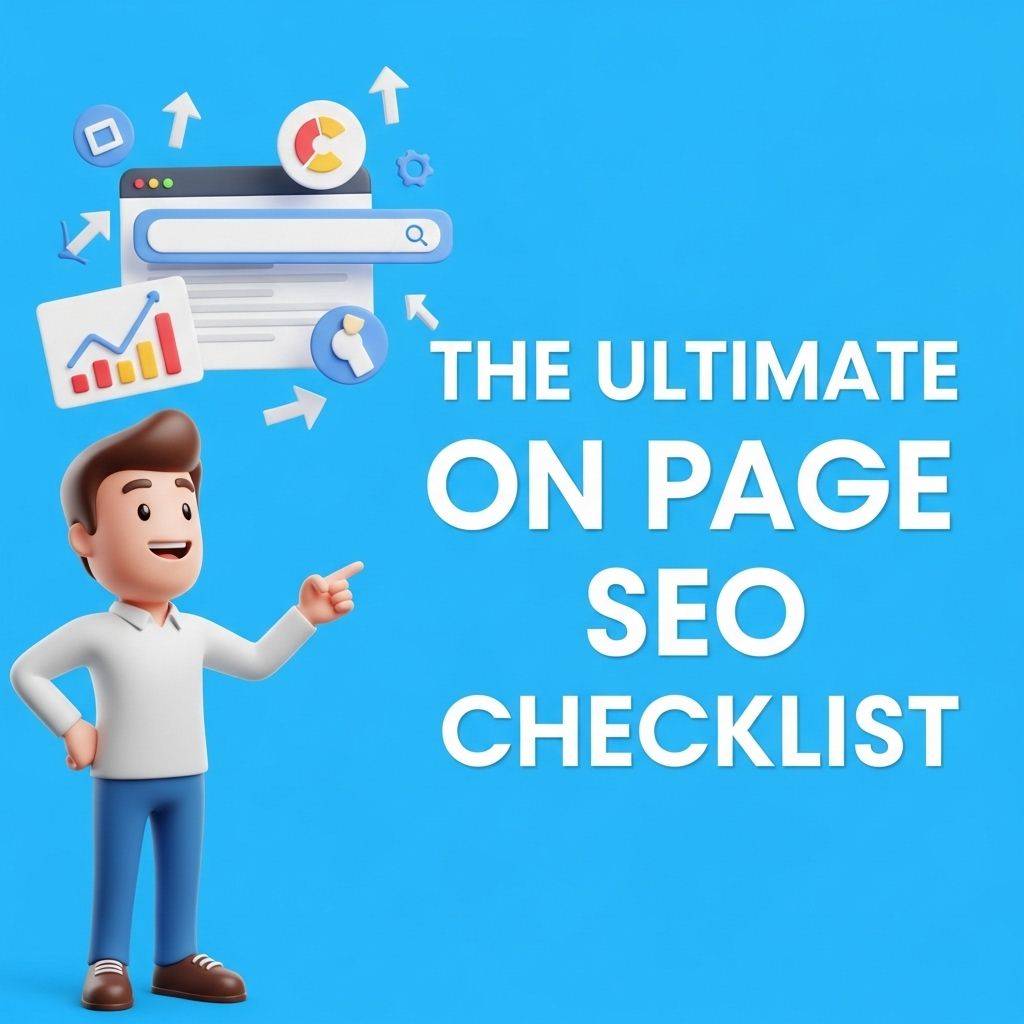
In an era where digital presence can make or break a business, mastering the nuances of on-page SEO is crucial for any marketer or website owner. On-page SEO refers to the strategies and techniques implemented directly on your website to enhance its visibility and ranking in search engine results. This article will delve into a comprehensive checklist for on-page SEO to ensure that your website not only attracts traffic but also engages visitors effectively.
In 2023, mastering on-page SEO is crucial for enhancing your website’s visibility and ranking. This ultimate checklist covers essential elements such as keyword optimization, meta tags, and user experience, ensuring your content meets search engine standards. For inspiration in your web design, view the latest logo mockup designs to help elevate your brand presence.
Understanding On-Page SEO
On-page SEO encompasses a variety of practices that can be implemented on your website to optimize it for search engines and improve user experience. The effectiveness of on-page SEO is often measured through several metrics, including bounce rate, page views, and conversion rates. Below are some core components to consider:
Key Components of On-Page SEO
- Content Quality: High-quality, relevant, and informative content is essential.
- Keyword Optimization: Proper use of keywords throughout your content.
- HTML Tags: Title tags, meta descriptions, header tags, and alt attributes play a pivotal role.
- User Experience: Fast loading times, mobile responsiveness, and easy navigation.
- Internal Linking: Helps in distributing page authority and enhancing user navigation.
Content Optimization
Your content is at the heart of your on-page SEO. Creating compelling, relevant, and unique content can significantly improve your website’s ranking. Here’s how to optimize your content:
1. Conduct Keyword Research
Identify the right keywords that your target audience is searching for. Tools like Google Keyword Planner, SEMrush, and Ahrefs can aid in this process. Focus on:
- Long-tail keywords for specific queries.
- Search volume and competition metrics.
- User intent behind keywords (informational, transactional, navigational).
2. Content Structure
Organizing your content for readability and engagement is vital. Consider the following:
| Element | Description |
|---|---|
| Headings | Use <h1> for titles, <h2> and <h3> for subheadings. |
| Paragraphs | Keep paragraphs short (2-3 sentences) for easier reading. |
| Bullet Points | Use bullet points for lists to enhance scannability. |
3. Keyword Placement
Incorporate your primary keyword in strategic places:
- Title tag
- First 100 words of the content
- Subheadings
- Meta description
- Image alt tags
HTML Tags and Meta Descriptions
HTML tags and meta descriptions provide context to search engines and improve click-through rates. Here are the essential tags to focus on:
1. Title Tags
Your title tag is one of the first things users and search engines see. Best practices include:
- Keep it under 60 characters.
- Include the target keyword.
- Make it descriptive and engaging.
2. Meta Descriptions
The meta description appears below your page title in search results. Crafting a compelling meta description can improve your click-through rate:
- Keep it between 150-160 characters.
- Use action-oriented language.
- Incorporate relevant keywords.
3. Header Tags
Using header tags like <h2> and <h3> helps structure your content effectively:
- Use
<h2>for main sections. - Use
<h3>for subsections.
User Experience Factors
A positive user experience is pivotal in on-page SEO, influencing both rankings and user retention. Key factors include:
1. Page Load Speed
Fast-loading pages lead to lower bounce rates. Optimize your site speed by:
- Compressing images.
- Minimizing HTTP requests.
- Using browser caching.
2. Mobile Responsiveness
With an increasing number of users accessing the internet via mobile devices, ensure your site is mobile-friendly:
- Employ responsive design.
- Test your site on various devices.
3. Site Navigation
Make navigation intuitive and user-friendly:
- Create a clear menu structure.
- Use breadcrumbs for easy backtracking.
- Implement a search feature.
Internal Linking Strategies
Internal linking improves site structure and helps distribute page authority. Consider these tactics:
1. Contextual Links
Link to relevant articles within your content to provide additional value to readers.
2. Anchor Text
Use descriptive anchor text that includes keywords for SEO benefits. Avoid generic terms like ‘click here.’
Conclusion
Implementing a thorough on-page SEO checklist can significantly enhance your website’s visibility and user engagement. By focusing on content quality, HTML tags, user experience, and internal linking, you create a solid foundation for your SEO strategy. Remember, SEO is an ongoing process; staying updated with algorithm changes and industry trends will help maintain and improve your website’s ranking over time. Start optimizing today, and watch your website reach new heights in search engine results!
FAQ
What is on-page SEO?
On-page SEO refers to the practice of optimizing individual web pages to rank higher and earn more relevant traffic in search engines. It involves both content and HTML source code.
Why is an on-page SEO checklist important?
An on-page SEO checklist is important because it helps ensure that all essential elements are optimized for better visibility in search engine results, improving the chances of attracting organic traffic.
What are the key elements of an on-page SEO checklist?
Key elements of an on-page SEO checklist include title tags, meta descriptions, header tags, keyword usage, image optimization, internal linking, and mobile-friendliness.
How can I optimize my title tags for SEO?
To optimize title tags for SEO, include relevant keywords, keep them under 60 characters, make them compelling, and ensure they accurately reflect the content of the page.
What role do meta descriptions play in on-page SEO?
Meta descriptions provide a brief summary of a webpage’s content and play a crucial role in attracting clicks from search engine results. Optimizing them can improve click-through rates.
How often should I update my on-page SEO?
You should regularly update your on-page SEO, especially when you add new content, update existing content, or when there are changes in SEO best practices or algorithms.