Transform Your Spaces with Minimalism: A Complete Guide
Discover how minimalism can transform your spaces into serene and functional environments. Embrace simplicity for a more organized lifestyle.
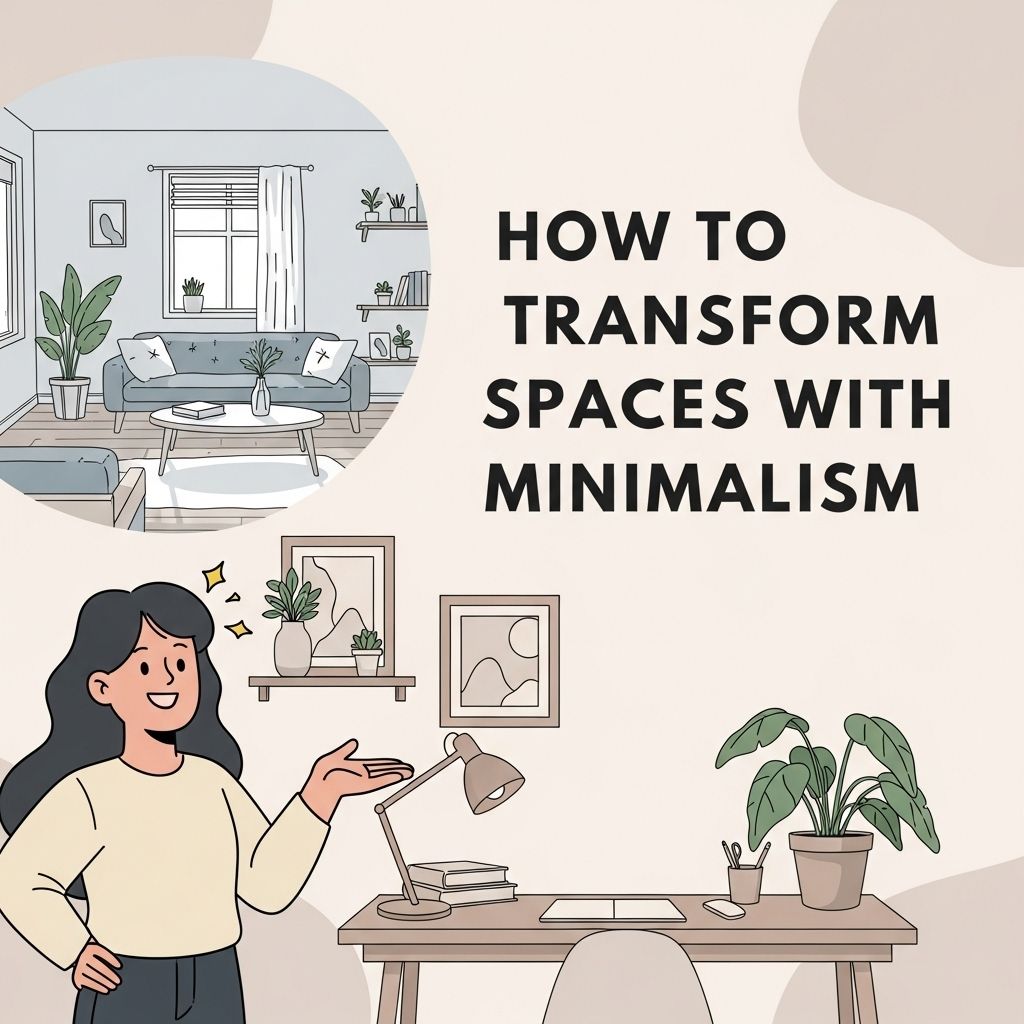
In recent years, minimalism has emerged as a powerful design philosophy that not only enhances aesthetic appeal but also promotes mental clarity and functional living. It emphasizes the idea of ‘less is more,’ encouraging individuals to carefully curate their environments. This article delves into how to transform spaces using minimalist principles, creating serene and efficient areas in homes and offices alike.
Embracing minimalism can completely transform your spaces, creating an environment that promotes clarity and calm. In this guide, you’ll find practical tips to declutter and design with intention, allowing the beauty of simplicity to shine through. As you redefine your aesthetic, consider exploring unique 3D logo designs to enhance your visual identity and align with a minimalist ethos; discover unique 3D logo examples.
Understanding Minimalism
Minimalism is more than just a design trend; it’s a lifestyle choice that prioritizes simplicity and functionality. At its core, minimalism seeks to remove the excess and focus on essential elements. Here are the fundamental principles of minimalism:
- Functionality: Every item should serve a purpose.
- Simplicity: Design should be straightforward and uncomplicated.
- Quality over Quantity: Choose fewer, higher-quality items.
- Neutral Color Palettes: Stick to muted tones that evoke calmness.
- Natural Light: Maximize the use of natural light to create airy environments.
Step-by-Step Guide to Transforming Your Space
1. Declutter and Organize
The first step towards achieving a minimalist space is to declutter. Start by evaluating your belongings and deciding what to keep, donate, or discard.
Tips for Effective Decluttering:
- Set a timer for 30 minutes and focus on one area at a time.
- Use the ‘one-year rule’: if you haven’t used it in a year, consider letting it go.
- Make three piles: keep, donate, and throw away.
| Item Type | Keep | Donate | Throw Away |
|---|---|---|---|
| Clothing | Last worn within a year | Unworn, in good condition | Damaged, worn out |
| Furniture | Functional, essential | In good condition, not needed | Broken, unusable |
2. Choose a Neutral Color Palette
Neutral colors such as whites, greys, beiges, and soft pastels can create a spacious, airy feel. When choosing colors:
- Opt for light shades to reflect more natural light.
- Use accent colors sparingly to avoid overwhelming the space.
- Incorporate natural materials, like wood and stone, to add warmth.
3. Select Quality Furniture and Accessories
In a minimalist space, every piece of furniture should serve a purpose while also contributing to the overall aesthetic. Focus on:
- Multi-functional furniture: Consider a sofa bed or storage ottoman.
- Timeless designs: Choose pieces that won’t go out of style quickly.
- Statement pieces: Invest in a few standout items rather than filling the space with many.
Creating Functional Spaces
4. Optimize Space Layout
Think critically about the layout of your space. Efficient use of space can significantly enhance functionality:
- Leave space between furniture for easy movement.
- Group similar items together for a cohesive look.
- Consider open shelving to showcase items while keeping surfaces clear.
5. Incorporate Natural Elements
Integrating natural elements can bring life to a minimalist design:
- Add plants for color and freshness.
- Use natural light to enhance mood and functionality.
- Incorporate textures like wood, stone, or metal for depth.
Maintaining Minimalism
6. Adopt a Minimalist Mindset
Transitioning to a minimalist lifestyle goes beyond physical space. It’s also about fostering a mindset of intentionality:
- Practice mindful purchasing—ask yourself if you truly need it before buying.
- Regularly reassess your belongings and remove items that no longer serve a purpose.
- Emphasize experiences over possessions, nurturing relationships rather than accumulating items.
7. Reassess Periodically
To maintain a minimalist space, it’s essential to periodically review your environment. Set a schedule for seasonal assessments, where you:
- Review your belongings and declutter as necessary.
- Evaluate functionality—are all items still serving their purpose?
- Redistribute furniture or decor as your lifestyle changes.
Conclusion
Embracing minimalism offers a path to clear spaces and clearer minds. By following these steps and incorporating minimalist principles into your home or workspace, you can create a serene and functional environment that reflects a balanced lifestyle. Remember, minimalism is not just about reducing; it’s about creating a space that nurtures you and your needs.
Transforming your space with minimalism is an ongoing journey. Each decision you make should align with the principles of functionality, simplicity, and quality. As you embrace minimalism, you may find that less truly is more.
FAQ
What is minimalism in interior design?
Minimalism in interior design is a style that emphasizes simplicity, functionality, and the use of a limited color palette, focusing on essential elements and reducing clutter.
How can I start incorporating minimalism into my home?
To start incorporating minimalism, declutter your space by removing unnecessary items, choose multifunctional furniture, and opt for a neutral color scheme.
What are the benefits of a minimalist space?
The benefits of a minimalist space include reduced stress, improved focus, easier maintenance, and a more peaceful environment.
Can minimalism work in small spaces?
Yes, minimalism is especially effective in small spaces as it maximizes functionality and creates an illusion of more space through simplicity.
How do I maintain a minimalist lifestyle?
To maintain a minimalist lifestyle, regularly assess your belongings, avoid impulse purchases, and prioritize experiences over material possessions.
What are some common mistakes to avoid when creating a minimalist space?
Common mistakes include holding onto sentimental items, overcrowding spaces with furniture, and failing to establish a cohesive design theme.