Master Photo Editing: Tips to Edit Like a Pro
Discover essential tips and techniques to edit photos like a pro, enhancing your images for stunning results.
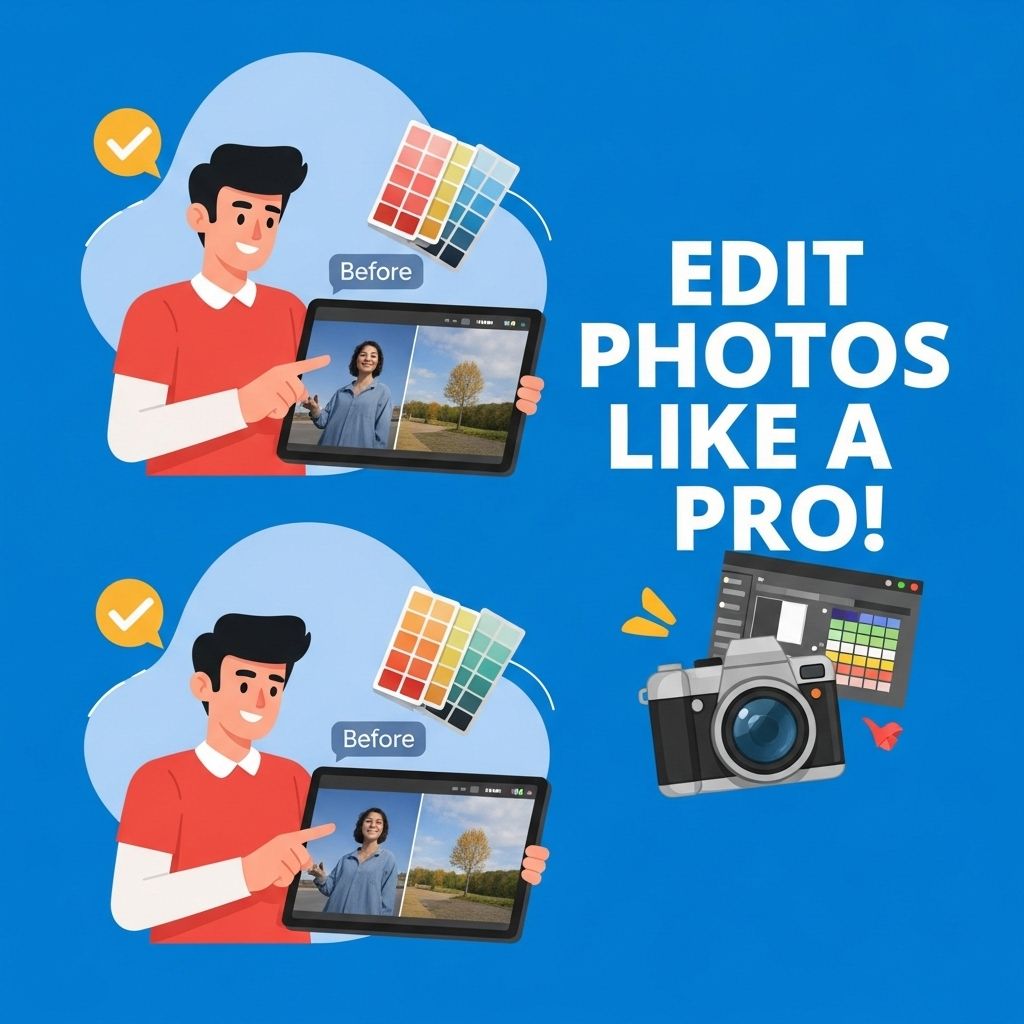
Editing photos has become an essential skill in today’s digital age, empowering individuals to enhance their creativity and storytelling through visuals. Whether you’re a budding photographer, a social media influencer, or just someone who loves to capture moments, knowing how to edit images can elevate your work to a professional level. In this article, we’ll explore various techniques, tools, and tips that can help you transform ordinary images into captivating visual art.
Mastering photo editing can elevate your creative projects to new heights, allowing you to produce stunning visuals that captivate your audience. In this guide, we’ll share essential tips to help you edit like a pro, enhancing your skills and understanding of the tools at your disposal. Whether you’re looking to refine your designs or create unique compositions, explore our 3D logo mockups for inspiration.
Understanding the Basics of Photo Editing
Before diving into the intricacies of photo editing, it’s vital to understand some fundamental concepts:
- Resolution: The amount of detail an image holds, typically measured in pixels. Higher resolution means better quality.
- Color Balance: Adjusting the intensity of different colors in an image to achieve a more natural or vibrant look.
- Exposure: The amount of light that reaches the camera sensor. Proper exposure prevents images from being too dark or too bright.
- Contrast: The difference between the lightest and darkest parts of an image, affecting the image’s depth and detail.
Choosing the Right Tools for Editing
There are numerous photo editing software options available, each with its unique features. Here’s a breakdown of some popular tools:
1. Adobe Photoshop
Often considered the gold standard for photo editing, Adobe Photoshop offers a wide array of tools and features, including:
- Layering and masking
- Advanced retouching capabilities
- Comprehensive color management
2. Lightroom
Lightroom is specially designed for photographers, offering features such as:
- Batch processing for multiple images
- Non-destructive editing
- Intuitive organization tools
3. GIMP
An open-source alternative to Photoshop, GIMP is powerful and versatile, providing many of the same features:
- Customizable interface
- Extensive plugin support
- Free to use
4. Mobile Apps
For on-the-go editing, several mobile apps can help you edit photos efficiently:
- Snapseed
- VSCO
- Adobe Lightroom Mobile
Key Techniques for Professional Photo Editing
Once you’ve chosen your editing tool, it’s time to master some essential techniques to enhance your photos:
1. Cropping and Composition
Begin with cropping your image to improve its composition. Follow the rule of thirds:
- Divide your image into nine equal parts using two horizontal and two vertical lines.
- Position key elements along these lines or at their intersections to create balance.
2. Adjusting Exposure
To adjust exposure, use the following steps:
- Identify areas that are too dark or too bright.
- Use sliders in your editing software to adjust highlights, shadows, and overall exposure until balanced.
3. Enhancing Colors
Color enhancement can significantly impact the mood of your photo. Consider the following methods:
- Saturation: Increase the intensity of all colors.
- Vibrance: Boosts less saturated colors while protecting skin tones.
- Selective Color Adjustment: Fine-tune specific colors to enhance the image further.
Retouching Techniques to Perfect Your Images
1. Removing Blemishes
Use the healing brush or clone tool to remove unwanted spots or distractions in your images. Precision is key to ensuring a seamless edit.
2. Sharpening Images
Enhancing sharpness can add depth to your images. Here’s how:
- Use the sharpening slider to enhance edges.
- Be cautious; excessive sharpening can lead to noise and artifacts.
3. Adding Filters and Effects
Filters can add a unique touch to your images. Here’s a table comparing popular filter types:
| Filter Type | Description | Best For |
|---|---|---|
| Black and White | Removes color for a classic look | Portraits, landscapes |
| Vintage | Gives a nostalgic feel | Personal photos, social media |
| HDR | Creates a high dynamic range effect | Landscape, architecture |
Exporting Your Photos
Once you are satisfied with your edits, exporting your photos correctly is crucial. Keep these tips in mind:
- File Format: Use JPEG for general use, PNG for transparency, and TIFF for high-quality prints.
- Resolution: If printing, ensure a resolution of 300 DPI (dots per inch) or higher.
- Color Profile: Use sRGB for web images and Adobe RGB for print.
Staying Inspired and Continuing Your Learning
Editing is an ever-evolving skill. Stay inspired by:
- Following professional photographers on social media
- Participating in online editing challenges
- Taking online courses or tutorials
By continually experimenting and learning from others, you can keep honing your editing skills and developing your style.
Wrapping Up
Photo editing is a powerful tool that can transform your photography from average to exceptional. By understanding the basics, choosing the right tools, mastering key techniques, and continually learning, you can edit photos like a pro. Remember, the journey of photography and editing is a continuous process of exploration and creativity.
FAQ
What are the essential tools for editing photos like a pro?
To edit photos like a pro, you’ll need software like Adobe Photoshop or Lightroom, a good quality monitor, and a reliable computer. Additionally, using a graphics tablet can enhance precision.
What are the basic photo editing techniques every beginner should know?
Beginners should learn cropping, adjusting brightness and contrast, color correction, sharpening images, and applying filters. Understanding these basics will significantly improve your editing skills.
How can I make my photos look more professional?
To make your photos look more professional, focus on composition, use proper lighting, and apply techniques like retouching and color grading. Consistency in style also contributes to a professional look.
What are some common mistakes to avoid when editing photos?
Common mistakes include over-editing, neglecting to save original images, poor color balance, and not using layers for adjustments. Always keep your edits subtle to maintain a natural look.
Is it necessary to learn color theory for photo editing?
While not mandatory, understanding color theory can greatly enhance your photo editing skills. It helps in creating harmonious images and in making informed choices about color adjustments.
Can I edit photos on my smartphone like a pro?
Yes, there are several powerful photo editing apps available for smartphones, such as Snapseed and Adobe Lightroom Mobile, which offer professional-level editing features for on-the-go editing.