Ace Your 2025 Interview with These Tips
Discover essential strategies to excel in your 2025 job interview and stand out to potential employers with confidence.
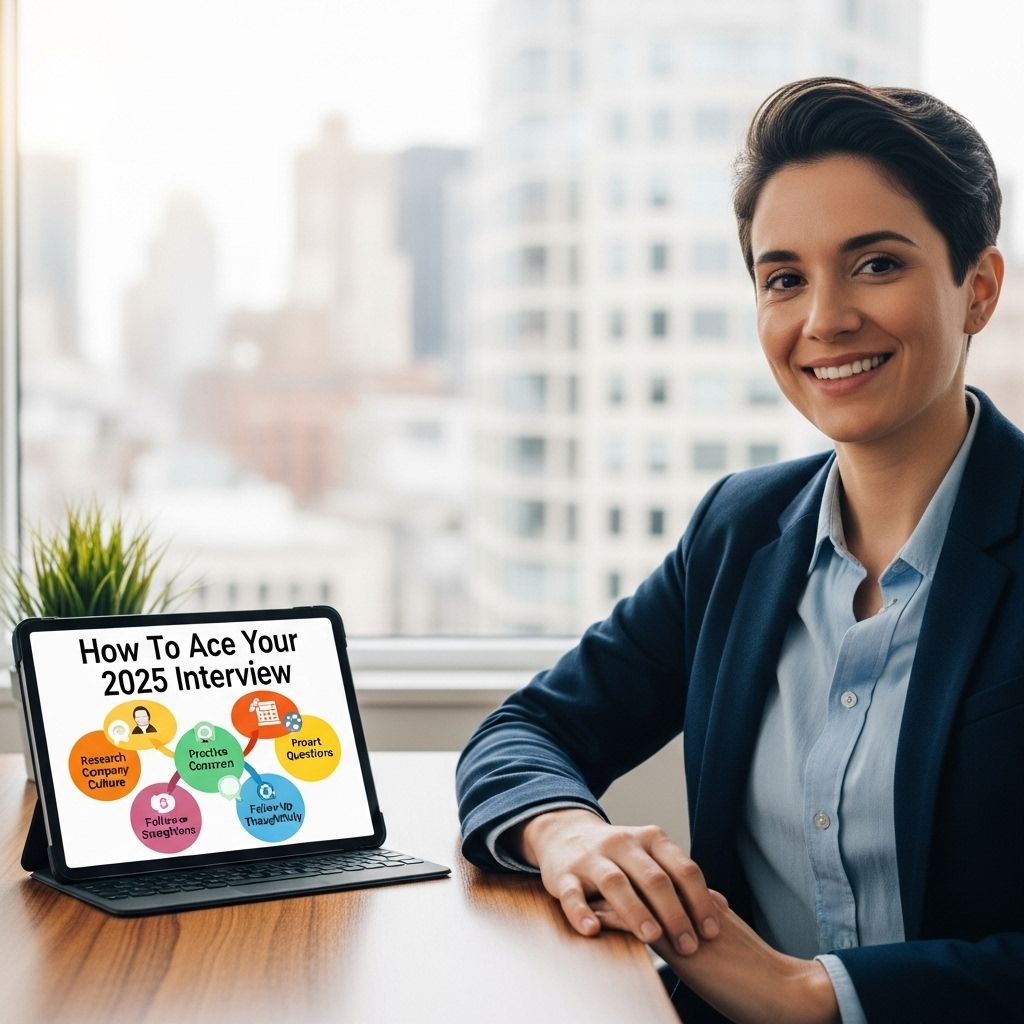
Interviews can be a daunting experience, especially as the job market evolves and employers seek top talent to drive innovation. In 2025, the interview landscape will be shaped by digital tools, evolving workplace dynamics, and new expectations from both candidates and employers. Successfully preparing for your interview requires not only an understanding of traditional methods but also the latest trends in hiring processes.
Preparing for your 2025 interview can be a game changer in showcasing your skills and personality effectively. To stand out among candidates, consider honing your presentation and demonstrating your unique qualifications. For those looking to enhance their portfolios, you might discover unique 3D logo examples that can help elevate your visual identity.
Understanding the Modern Interview Process
Today’s interviews are no longer just about answering questions correctly; they are multi-faceted processes that assess a candidate’s skills, culture fit, and adaptability. Here are some key components of the current interview landscape that you should be aware of:
- Behavioral Interviews: These focus on past experiences to predict future behavior. Candidates must provide specific examples demonstrating their skills and problem-solving abilities.
- Technical Assessments: For many roles, particularly in tech, candidates are expected to perform on-the-spot technical tasks or coding challenges.
- Video Interviews: With the rise of remote work, video interviews have become the norm. Familiarize yourself with the technology and platform used during your interview.
- Portfolio Reviews: For creative positions, showcasing a solid portfolio is essential. Be prepared to discuss your projects in detail.
Essential Preparation Steps
Research the Company
Knowing the company inside and out is crucial. Here’s how you can effectively conduct your research:
- Visit the Company Website: Understand their mission, values, and recent news.
- Explore Social Media: Follow their social media accounts to gain insights into their culture and recent developments.
- Read Reviews: Check employee reviews on platforms like Glassdoor to understand the company culture and work environment.
Understand the Role
In-depth knowledge of the position you are applying for can significantly enhance your performance during the interview. Consider the following:
- Review the job description and tailor your experiences to align with the required skills.
- Identify the key challenges faced by the role and think about how you can address them.
Practice Common Interview Questions
While you cannot predict every question, practicing common questions can help you articulate your thoughts clearly. Here’s a list of frequently asked questions:
| Question | Purpose |
|---|---|
| Tell me about yourself. | Icebreaker and overview of your background. |
| What are your strengths and weaknesses? | Assessing self-awareness and honesty. |
| Why do you want to work here? | Understanding of company culture and alignment with personal values. |
| Describe a challenge you faced at work and how you handled it. | Evaluating problem-solving skills. |
Mastering the Art of Storytelling
In 2025, communication skills are more important than ever. Employers are looking for candidates who can articulate their experiences through compelling stories. Here’s how to do it:
The STAR Method
Use the STAR method (Situation, Task, Action, Result) to structure your responses:
- Situation: Set the stage and give context.
- Task: Explain your responsibility in the situation.
- Action: Describe the steps you took to resolve the challenge.
- Result: Share the outcome and any lessons learned.
Technical Skills and Assessments
For roles in technology and data science, demonstrating your technical skills is vital. Here are ways to prepare:
Brush Up on Technical Skills
Identify the key technical skills required for your position and engage in self-study or online courses to enhance your proficiency. Resources include:
- Online platforms like Coursera or Udemy
- Interactive coding platforms like LeetCode or HackerRank
- GitHub for showcasing your projects
Mock Interviews
Practice makes perfect. Consider conducting mock interviews with a friend or using platforms that offer simulated interview experiences.
Personal Branding
In 2025, personal branding is essential for making a lasting impression. Consider the following strategies:
Optimize Your LinkedIn Profile
Your LinkedIn profile is often the first impression potential employers have of you. Ensure it is up-to-date and reflects your skills and experiences accurately:
- Use a professional photo.
- Craft a compelling summary that highlights your career journey.
- Showcase your skills, endorsements, and recommendations.
Networking
Building professional relationships can open doors to job opportunities:
- Attend industry conferences and networking events.
- Engage with industry-related content and share your insights.
- Connect with alumni from your university or past workplaces.
During the Interview
On the day of the interview, it’s important to present yourself confidently and professionally. Here’s how to shine:
Dress Appropriately
Choose an outfit that aligns with the company culture while maintaining professionalism. For tech startups, business casual may be acceptable, but for corporate settings, opt for formal attire.
Body Language
Your body language speaks volumes. Pay attention to the following:
- Maintain eye contact to convey confidence.
- Use open gestures to express engagement.
- Mind your posture; sit up straight to project confidence.
Ask Thoughtful Questions
Engage with your interviewer by asking insightful questions that demonstrate your interest in the role and the company. Consider asking about:
- Company culture and team dynamics.
- Future projects the team is excited about.
- Opportunities for professional development.
Post-Interview Strategies
Once the interview is over, follow-up actions can reinforce your interest and professionalism:
Send a Thank-You Note
A brief thank-you email can make a lasting impression. Be sure to:
- Express gratitude for the opportunity.
- Reiterate your interest in the position.
- Highlight any key points discussed during the interview.
Reflect on Your Performance
Take time to analyze your interview performance. What went well, and what could be improved? This reflection will help you in future interviews.
Conclusion
Preparing for an interview in 2025 requires a blend of traditional practices and modern approaches. By understanding the evolving landscape of interviews, conducting thorough research, mastering storytelling techniques, and focusing on personal branding, you can enhance your chances of acing your interview and securing your dream job. Remember, every interview is a learning experience that brings you one step closer to your career goals.
FAQ
What are the key tips for acing a job interview in 2025?
To ace a job interview in 2025, focus on researching the company, practicing common interview questions, demonstrating your problem-solving skills, and showcasing your adaptability to new technologies.
How can I prepare for behavioral interview questions?
Prepare for behavioral interview questions by using the STAR method (Situation, Task, Action, Result) to structure your responses based on past experiences.
What role does technology play in interviews in 2025?
In 2025, technology plays a significant role in interviews, including virtual interviews, AI-driven assessments, and the use of digital portfolios to showcase your skills.
How important is body language during an interview?
Body language is crucial during an interview; maintaining eye contact, a confident posture, and active listening can leave a positive impression on the interviewer.
What should I wear for a job interview in 2025?
In 2025, dress codes may vary by industry, but it’s best to opt for business casual attire that aligns with the company’s culture, ensuring you look professional yet approachable.
How do I follow up after an interview?
Following up after an interview is important; send a thank-you email within 24 hours, reiterating your interest in the position and highlighting key points discussed during the interview.