10 Essential Graphic Design Tips for Success
Discover 10 must-know graphic design tips that will elevate your creativity and enhance your design skills in this informative guide.
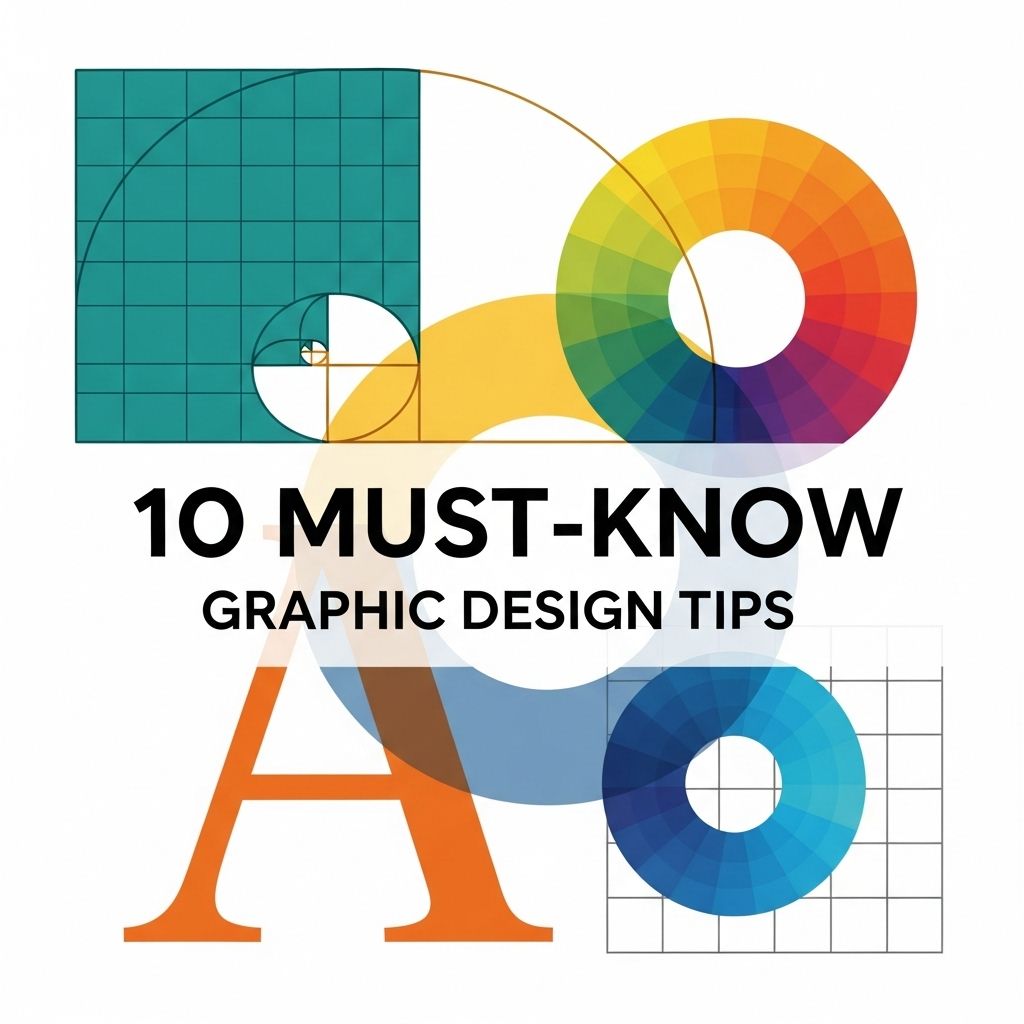
Graphic design is an essential aspect of communication, providing a visual way to convey ideas, emotions, and messages. As we continue to navigate a world dominated by visual content, understanding the principles of graphic design becomes increasingly important. Whether you are a seasoned designer or just starting your journey, these ten must-know graphic design tips will help you create compelling and effective designs.
Graphic design is a powerful means of communication that can elevate your brand and engage your audience. To ensure success in your design projects, it’s crucial to implement best practices that enhance both aesthetics and functionality. For instance, see how to use 3D mockups effectively to create a striking visual presence.
Understand the Basics of Color Theory
Color is a powerful tool in graphic design, influencing moods and perceptions. Here are some key points to consider:
- Primary Colors: Red, blue, and yellow are the building blocks for mixing other colors.
- Complementary Colors: Colors opposite each other on the color wheel create contrast and can be visually striking.
- Analogous Colors: Colors next to each other provide harmony and a cohesive look.
A good understanding of color theory can enhance your designs, making them more appealing and effective.
Embrace White Space
White space, or negative space, is the area around and between elements in a design. It is crucial for:
- Improving readability
- Focusing attention on key elements
- Creating a balanced layout
Remember, less is often more. Allow your designs to breathe by incorporating ample white space.
Utilize Grids and Layouts
Grids help you organize content systematically, ensuring a cohesive structure. Consider the following types of layouts:
| Layout Type | Description |
|---|---|
| F Layout | Common for text-heavy sites, guiding the viewer’s eye from left to right and top to bottom. |
| C Layout | Great for visual storytelling, with a central focus and elements radiating outward. |
| Asymmetrical Layout | Breaks the conventional grid for a dynamic and interesting design. |
Choose the Right Typography
Typography plays a significant role in conveying your message. Consider these tips:
- Font Selection: Choose fonts that align with the tone of your content.
- Hierarchy: Use different font sizes and weights to create a clear information hierarchy.
- Legibility: Ensure text is easy to read; avoid overly ornate fonts for body text.
Limit Font Variations
Stick to a maximum of three font families in a design to maintain consistency and avoid visual clutter.
Incorporate Visual Hierarchy
Visual hierarchy guides the viewer’s eye to the most important elements first. Techniques to achieve this include:
- Using size to denote importance
- Applying contrasting colors for emphasis
- Utilizing positioning to create flow
Balance Your Designs
Balance in design can be achieved through symmetrical or asymmetrical approaches:
- Symmetrical Balance: Equal visual weight distributed evenly, creating harmony.
- Asymmetrical Balance: Different elements of varying sizes and weights that create a dynamic composition.
Keep Your Audience in Mind
Understanding your target audience is vital. Consider the following:
- Demographics: Age, gender, location, and interests can influence design choices.
- Psychographics: Values, attitudes, and lifestyles shape how your audience perceives designs.
Conduct User Testing
Gather feedback from your target audience to refine your designs and ensure they resonate well.
Utilize High-Quality Images
Visual content can significantly enhance design. Tips for selecting images include:
- Resolution: Use high-resolution images for clarity.
- Relevance: Ensure images are appropriate and enhance the message.
- Consistency: Maintain a consistent style across all visuals.
Stay Updated on Design Trends
The graphic design landscape is ever-evolving. To stay relevant:
- Follow design blogs and websites.
- Participate in design communities and forums.
- Experiment with new techniques and tools.
Practice, Feedback, and Iteration
Graphic design is an iterative process that improves with practice. Seek feedback from peers to help refine your skills. Consider creating a portfolio to track your progress and showcase your best work.
Conclusion
By mastering these essential graphic design tips, you’ll enhance your ability to create visually appealing and effective designs. As you apply these principles, remember that design is not only about aesthetics but also about communication. Stay curious, keep learning, and let your creativity shine!
FAQ
What are the essential graphic design tips for beginners?
Beginners should focus on understanding design principles, choosing the right color schemes, utilizing white space effectively, and practicing typography.
How important is color theory in graphic design?
Color theory is crucial in graphic design as it helps convey emotions, create visual interest, and ensure good contrast for readability.
What role does typography play in graphic design?
Typography is vital in graphic design as it affects readability, brand identity, and the overall aesthetic of a design.
Why is understanding your target audience important in graphic design?
Understanding your target audience is important because it helps tailor your designs to meet their preferences and needs, ensuring better engagement.
How can I improve my graphic design skills?
Improving graphic design skills can be achieved through practice, taking online courses, seeking feedback, and studying the work of professional designers.
What tools are recommended for graphic designers?
Popular tools for graphic designers include Adobe Creative Suite (Photoshop, Illustrator, InDesign), Canva, and Sketch, among others.