5 Powerful Email Campaign Strategies for Success
Discover 5 powerful email campaign strategies to boost engagement and drive conversions effectively.
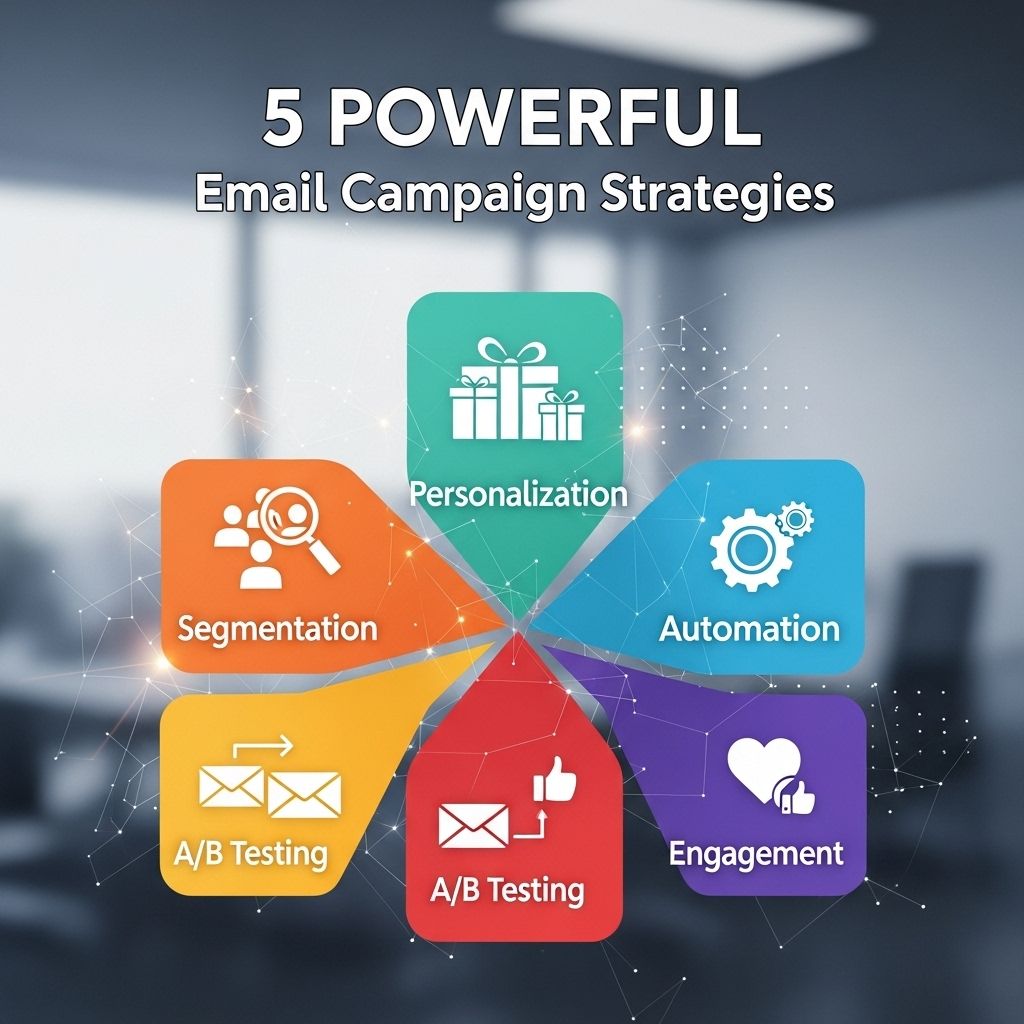
Email marketing remains one of the most effective communication channels for businesses looking to engage their audience, drive conversions, and build lasting relationships. As the digital landscape evolves, so do the strategies that ensure email campaigns are impactful and successful. In this article, we will delve into five powerful email campaign strategies that can help you maximize your outreach and achieve your marketing goals.
In today’s competitive digital landscape, mastering email marketing is crucial for business success. Implementing powerful email campaign strategies can significantly enhance engagement and drive conversions. To elevate your brand’s visual appeal, consider how you can find the best 3D logo templates that resonate with your target audience.
1. Segmentation: Targeted Messaging for Higher Engagement
Segmentation involves dividing your email list into smaller groups based on specific criteria. This allows you to tailor your messaging to meet the distinct needs and preferences of each segment. By doing so, you increase the relevance of your emails, which leads to higher open and click-through rates.
Types of Segmentation
- Demographic Segmentation: Grouping based on age, gender, location, etc.
- Behavioral Segmentation: Based on past purchases, engagement levels, and browsing behavior.
- Psychographic Segmentation: Focusing on lifestyle, interests, and values.
For example, an online clothing retailer may send a different promotional email to teenagers interested in casual wear than to adults looking for office attire. The more personalized the message, the more likely your audience will engage with your content.
2. A/B Testing: Optimize for Success
A/B testing, or split testing, is the process of comparing two variations of an email to determine which performs better. This can help you refine your approach based on data-driven decisions rather than assumptions.
What to Test
- Subject Lines: Test different lengths, styles, and tones.
- Email Copy: Compare different calls-to-action and messaging.
- Images: Evaluate the impact of visuals versus text-heavy emails.
- Send Times: Determine which times yield higher open rates.
Make sure to only test one variable at a time to accurately measure the impact of changes. Analyze results after a reasonable timeframe to ensure statistical significance before implementing any changes.
3. Automation: Enhance Efficiency and Consistency
Email automation allows businesses to send targeted emails based on user behavior or predefined triggers. This not only saves time but also ensures that the right message reaches the right audience at the right time.
Popular Automation Strategies
- Welcome Emails: Automatically send a warm welcome message to new subscribers.
- Cart Abandonment Emails: Remind customers of items left in their shopping cart.
- Re-engagement Emails: Reach out to inactive subscribers with incentives or updates.
Implementing automated workflows can significantly improve your email marketing performance, leading to increased customer retention and revenue.
4. Mobile Optimization: Reach On-The-Go Users
A significant portion of email opens occurs on mobile devices. Therefore, ensuring your emails are mobile-friendly is crucial for maximizing engagement. A seamless mobile experience can greatly influence a recipient’s interaction with your content.
Best Practices for Mobile Optimization
- Responsive Design: Use responsive email templates that adapt to various screen sizes.
- Clear CTAs: Ensure calls to action are easily clickable and distinguishable.
- Concise Content: Keep content brief and to the point to accommodate mobile reading patterns.
Testing how your emails appear on various devices before sending can also help identify potential issues that may detract from user experience.
5. Analytics: Measure and Refine Your Campaigns
To continuously improve your email marketing strategy, you need to monitor performance metrics and analyze data. Key metrics include:
| Metric | Description | How to Use |
|---|---|---|
| Open Rate | Percentage of recipients who opened your email. | Indicates subject line effectiveness and overall interest. |
| Click-Through Rate (CTR) | Percentage of recipients who clicked on links within the email. | Measures content engagement and effectiveness of calls to action. |
| Conversion Rate | Percentage of recipients who completed a desired action. | Evaluates overall success in driving business goals. |
| Unsubscribe Rate | Percentage of users who opted out of receiving emails. | Tracks content relevance and audience engagement. |
By consistently analyzing these metrics, you can identify areas for improvement, optimize future campaigns, and ultimately enhance the effectiveness of your email marketing efforts.
Conclusion
Implementing these five powerful email campaign strategies can help elevate your email marketing initiatives, ensuring they are not only effective but also resonate with your audience. By embracing segmentation, conducting A/B testing, automating processes, optimizing for mobile, and analyzing performance, you will position your business for success in the competitive digital landscape. Start integrating these strategies into your email campaigns today and watch your engagement and conversion rates soar.
FAQ
What are the key components of a successful email campaign?
The key components of a successful email campaign include a targeted email list, engaging content, a clear call-to-action, effective subject lines, and performance tracking.
How can I improve my email open rates?
To improve email open rates, focus on crafting compelling subject lines, personalizing your emails, segmenting your audience, and optimizing send times based on user behavior.
What is the importance of A/B testing in email campaigns?
A/B testing allows marketers to compare different versions of an email to determine which elements perform better, leading to improved engagement and higher conversion rates.
How often should I send email campaigns to my subscribers?
The frequency of email campaigns depends on your audience’s preferences and your content. Generally, sending 1-4 emails per month is effective for maintaining engagement without overwhelming subscribers.
What metrics should I track for email campaign success?
Key metrics to track for email campaign success include open rates, click-through rates, conversion rates, unsubscribe rates, and overall ROI.
How can I ensure my emails are mobile-friendly?
To ensure your emails are mobile-friendly, use responsive design, keep your layout simple, and ensure text and buttons are easily readable and clickable on smaller screens.