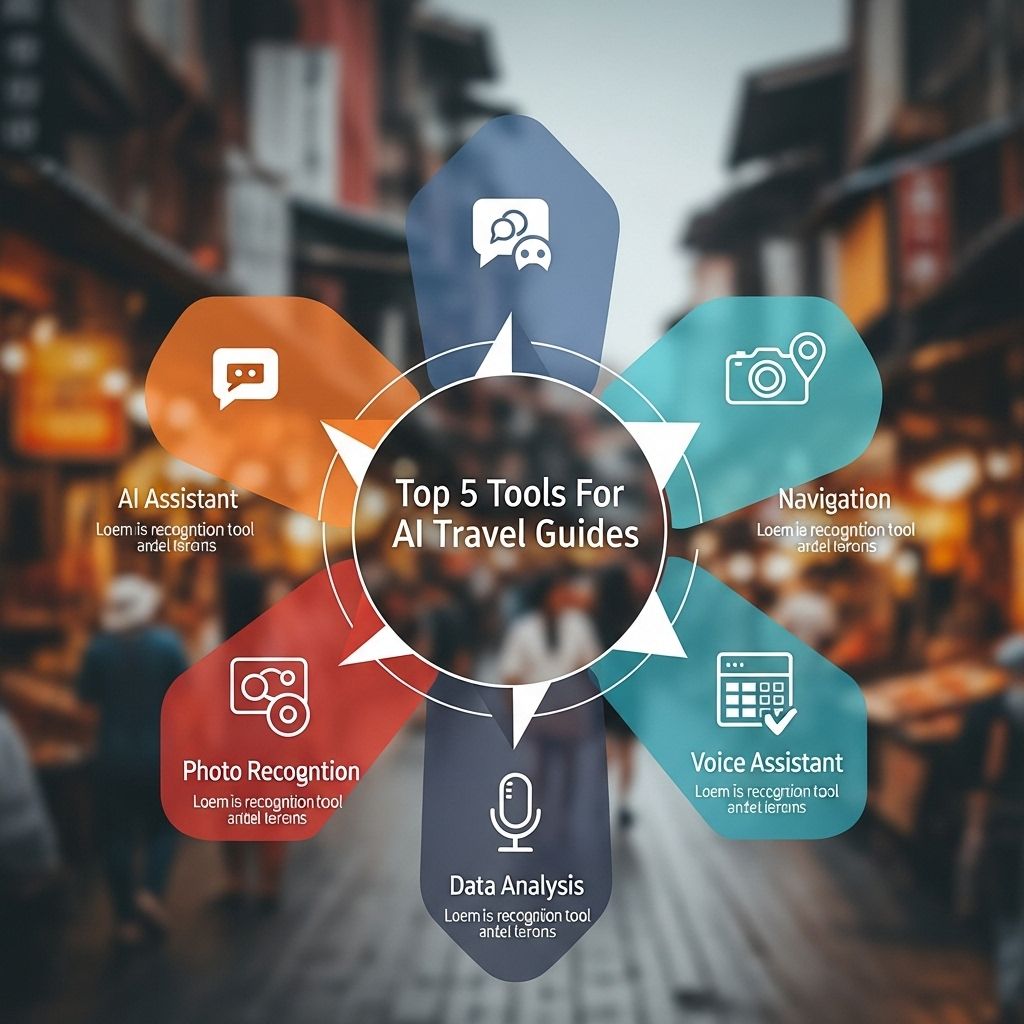
Create Your Own AI Travel Guide Today
Discover how to create your personalized AI travel guide with tips and tools to enhance your travel experience efficiently.
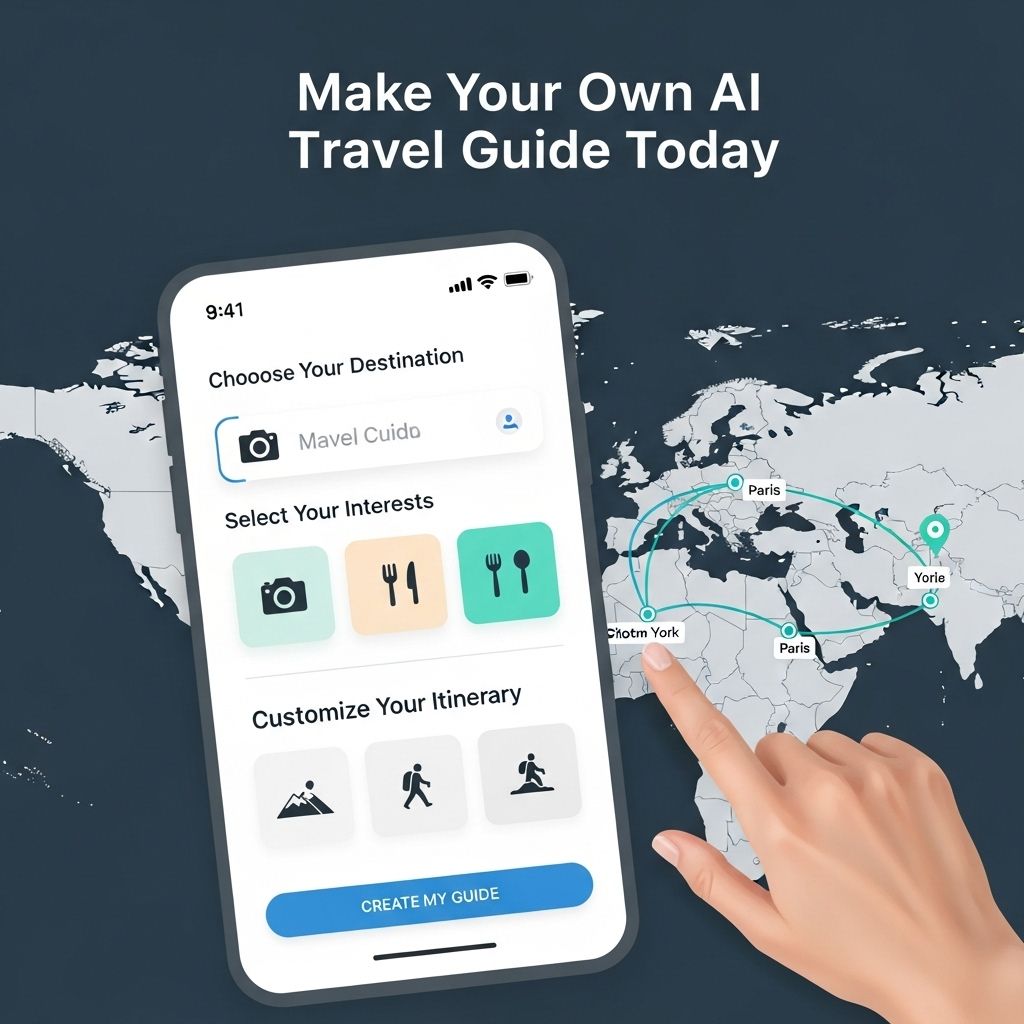
With the rapid advancements in artificial intelligence and machine learning, creating your very own AI travel guide is now more accessible than ever. This article will explore the mechanics behind building a personalized travel guide that can enhance your travel experiences. By the end, you’ll have a clear roadmap for developing an AI tool that understands your travel preferences, suggests destinations, and even provides itineraries tailored just for you.
Are you looking to enhance your travel experience? Create your own AI travel guide today to tailor your adventures to your preferences, from local attractions to hidden gems. For those interested in branding their travel content creatively, you can explore our 3D logo mockups as a perfect starting point.
Understanding the Basics of AI Travel Guides
Before delving into the technical aspects of creating an AI travel guide, it’s essential to understand what an AI travel guide is and how it can serve you. An AI travel guide typically uses algorithms and data to:
- Analyze user preferences: Understanding what destinations, activities, and accommodations appeal to you.
- Provide recommendations: Suggesting locations and experiences based on your interests and previous interactions.
- Optimize itineraries: Creating a schedule that maximizes your travel experience while minimizing downtime.
Key Components of an AI Travel Guide
Creating your AI travel guide involves several critical components:
1. Data Collection
The first step in building your guide is to gather data that will inform its recommendations. You can collect data through:
- User Input: Surveys or questionnaires that ask about interests, past travel experiences, and budget.
- Public Databases: Accessing APIs from travel services like Expedia, Google Travel, or TripAdvisor for real-time information.
- Social Media: Extracting data from platforms like Instagram or Twitter to analyze trending travel spots.
2. Machine Learning Algorithms
Once you have your data, the next step is to implement machine learning algorithms that can analyze the data and generate recommendations. Some common types of algorithms include:
- Collaborative Filtering: Suggests destinations based on similar users’ preferences.
- Content-Based Filtering: Recommends places similar to those the user has enjoyed in the past.
- Natural Language Processing (NLP): Helps in understanding user queries and responding appropriately.
3. User Interface Design
The user interface (UI) is crucial for ensuring that users can easily interact with your travel guide. Consider the following elements:
- Visual Appeal: Use engaging graphics and layouts to make the interface inviting.
- Ease of Navigation: Ensure that users can find information effortlessly without getting lost in menus.
- Feedback Mechanism: Allow users to rate recommendations to improve the algorithm over time.
Developing Your AI Travel Guide
With a solid foundation laid out, it’s time to dive into the development process.
Step 1: Choose Your Technology Stack
To create your AI travel guide, you’ll need to choose the right technology stack. Here’s a recommended stack:
| Component | Technology |
|---|---|
| Back-end Framework | Node.js / Python (Flask/Django) |
| Database | MongoDB / PostgreSQL |
| Machine Learning Library | TensorFlow / scikit-learn |
| Front-end Framework | React / Angular |
Step 2: Implementing Machine Learning
Once you have your technology stack ready, start implementing machine learning algorithms. Follow these steps:
- Data Preprocessing: Clean and format the data for analysis.
- Model Training: Use existing datasets to train your algorithm.
- Model Evaluation: Test the model to ensure it provides accurate recommendations.
Step 3: Building the UI
Crafting the user interface involves designing the front-end components and ensuring that they interact smoothly with the back end. Key points to focus on include:
- Search Functionality: Allow users to customize their search based on various parameters.
- Interactive Maps: Integrate maps that display recommended locations.
- Personalized Dashboards: Create user accounts that save preferences and travel histories.
Testing and Improving Your AI Travel Guide
Once your travel guide is up and running, it’s time to put it to the test. Gather user feedback and conduct usability tests to identify areas for improvement. Here are some strategies:
User Testing
Engage potential users to test your application. Consider using:
- Focus Groups: Get insights from groups of users about their experiences.
- A/B Testing: Test different versions of your application to see which performs better.
Continuous Learning
Implement feedback loops that allow your AI to learn continuously. For example:
- Incorporate new data regularly to keep recommendations fresh.
- Update algorithms based on user behavior and preferences.
Conclusion
Creating your own AI travel guide is an exciting project that can lead to a highly personalized travel experience. By understanding the fundamentals of AI, utilizing the right tools, and continuously improving your application, you can develop an innovative guide that transforms the way you travel. Whether you’re a travel enthusiast or a tech junkie, this project is bound to enhance your adventures in exciting new ways.
FAQ
How can I create my own AI travel guide?
You can create your own AI travel guide by using AI tools and platforms that allow you to input destinations, attractions, and personal preferences to generate personalized travel itineraries.
What features should I include in my AI travel guide?
Include features such as destination recommendations, personalized itineraries, local attractions, travel tips, and the ability to answer common travel questions.
Is it easy to customize an AI travel guide?
Yes, most AI travel guide platforms offer user-friendly interfaces that allow you to easily customize your guide based on your travel preferences and interests.
Can I access my AI travel guide offline?
Many AI travel guide applications allow you to download your itinerary and maps for offline access, ensuring you can navigate even without internet connectivity.
How does an AI travel guide enhance my travel experience?
An AI travel guide enhances your travel experience by providing personalized recommendations, saving time on planning, and offering up-to-date information on local attractions and events.
Are AI travel guides suitable for solo travelers?
Absolutely! AI travel guides can be tailored to cater to solo travelers, providing unique suggestions and safety tips for exploring new destinations alone.