Top 10 Mobile Game Monetization Ideas to Boost Revenue
Explore the top 10 innovative monetization ideas for mobile games to maximize your revenue potential and enhance player engagement.
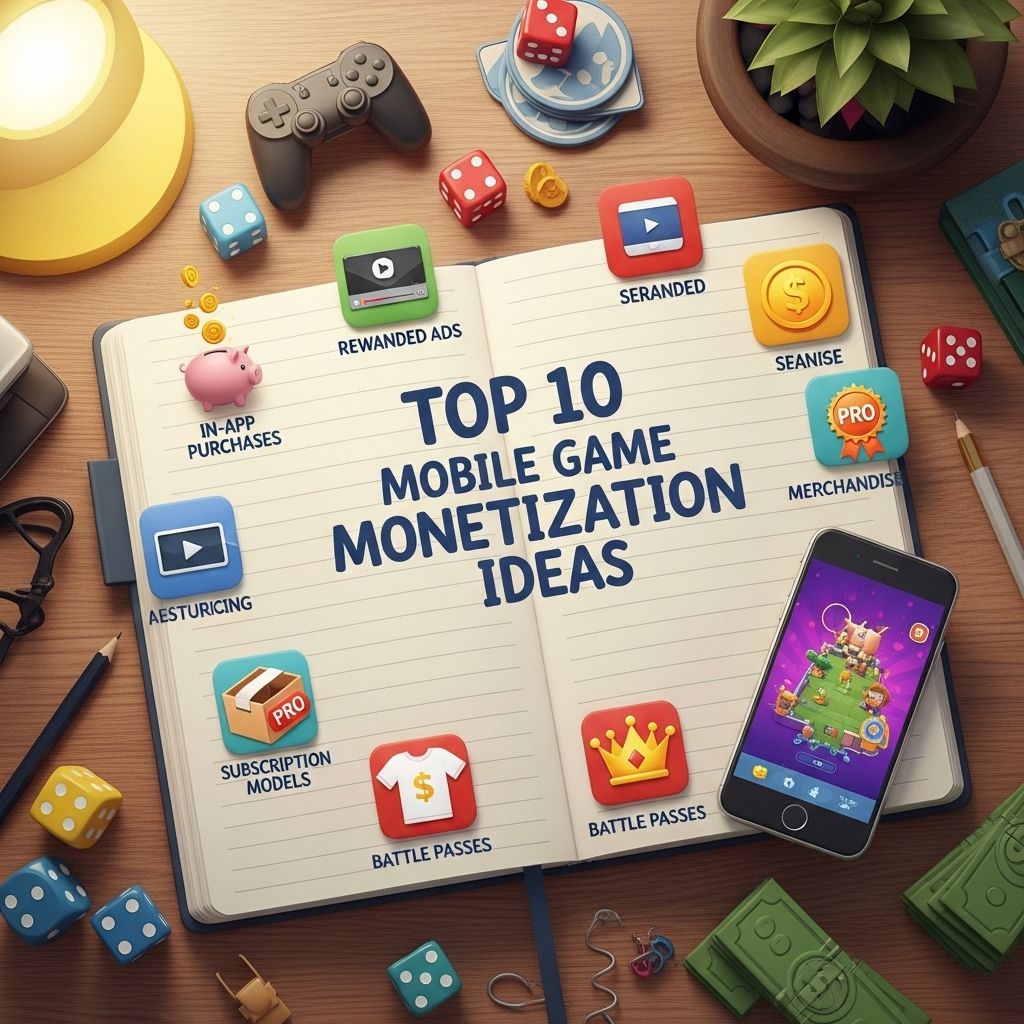
In the ever-evolving world of mobile gaming, developers are continually searching for innovative ways to monetize their games effectively. With the competitive landscape, it’s crucial to adopt strategies that not only enhance revenue but also maintain player engagement. This article explores some of the most effective mobile game monetization ideas that can be leveraged to maximize profits while keeping the player experience intact.
In the competitive landscape of mobile gaming, effective monetization strategies are essential for maximizing revenue. Exploring innovative ideas can lead to sustainable income while enhancing player experience. For visual inspiration on your game’s branding, check out our 3D mockup collection.
1. In-App Purchases
In-app purchases (IAPs) are perhaps the most commonly utilized monetization strategy in mobile gaming. This method allows players to buy virtual goods, enhancements, or new levels directly from the app. Here are a few tips for implementing IAP effectively:
- Offer Value: Ensure that your in-app purchases enhance the gaming experience without making it feel pay-to-win.
- Tiered Pricing: Create multiple pricing tiers for different player demographics.
- Limited Time Offers: Use urgency to encourage purchases by offering discounts for a limited time.
Examples of In-App Purchases
| Game Title | Type of IAP | Price Range |
|---|---|---|
| Clash of Clans | Resources and Gems | $0.99 – $99.99 |
| Fortnite | Skins and Battle Pass | $9.99 – $24.99 |
| Candy Crush Saga | Extra Lives and Boosters | $0.99 – $49.99 |
2. Subscription Models
Subscription models offer players exclusive content or benefits for a recurring fee. This model has seen significant success in various mobile games and can provide a steady revenue stream.
Benefits of Subscription Models
- Predictable revenue stream
- Enhanced player retention
- Access to exclusive content
3. Advertising
Incorporating ads into your game can provide substantial income. Various ad formats can be utilized, including:
Types of Mobile Advertising
- Banner Ads: Small ads displayed at the top or bottom of the screen.
- Interstitial Ads: Full-screen ads that appear at natural transition points.
- Rewarded Video Ads: Optional video ads that players can watch to earn in-game rewards.
4. Freemium Model
The freemium model allows users to download the game for free while providing the option to purchase features or items. This model lowers the barrier to entry, encouraging more users to try the game.
Implementing the Freemium Model
- Design engaging core gameplay elements that encourage players to spend.
- Introduce premium items that enhance the gaming experience.
- Keep the essential game mechanics accessible without purchase.
5. Sponsorship and Partnerships
Building partnerships with brands for sponsorship can provide financial support and enhance game visibility. This strategy often involves integrating branded content or promotions within the game.
Tips for Effective Sponsorship
- Choose brands that align with your game’s target audience.
- Ensure that integration feels natural and enhances the gaming experience.
- Utilize social media to promote sponsorships for mutual benefits.
6. Merchandise Sales
Offering merchandise related to your game can be a lucrative monetization strategy. This can include physical items like t-shirts, action figures, or digital goods such as wallpapers and soundtracks.
Key Considerations
- Focus on high-quality, desirable items that resonate with your audience.
- Promote merchandise within the game to drive sales.
- Consider limited edition items for exclusivity.
7. Crowdfunding and Early Access
Platforms like Kickstarter or Patreon allow developers to gain financial support from players before the game is fully developed. This strategy can be especially useful for indie developers.
Benefits of Crowdfunding
- Initial funding for game development
- Building a community of dedicated players
- Gaining feedback from potential players early in the process
8. Virtual Events and Competitions
Hosting in-game events or competitions can drive engagement and create opportunities for monetization through entrance fees or exclusive items. This strategy not only enhances player experience but can also generate significant revenue.
How to Host Successful Events
- Set clear rules and rewards that motivate players to participate.
- Promote the event through social media and in-game notifications.
- Consider partnerships with brands for sponsorship opportunities.
9. User-Generated Content
Allowing players to create and sell their own content can provide a new revenue stream while enhancing engagement. This strategy works well for games that have customization options.
Implementing User-Generated Content
- Build an easy-to-use interface for content creation.
- Establish guidelines to maintain quality and appropriateness.
- Share revenue with creators to incentivize content production.
10. Gamification of Loyalty Programs
Incorporating loyalty programs where players earn rewards for engagement can increase retention and monetization. This can involve offering discounts or exclusive items based on gameplay milestones.
Building an Effective Loyalty Program
- Define clear objectives and rewards based on player behavior.
- Promote the program extensively to ensure players are aware.
- Track and measure engagement to refine the program over time.
In conclusion, mobile game monetization requires a careful balance between profitability and user experience. By employing a combination of these strategies, developers can create a sustainable revenue model that caters to their audience while ensuring continued growth in a competitive market. Experimenting with different approaches and adapting to player feedback will ultimately lead to more successful monetization outcomes.
FAQ
What are the most effective mobile game monetization strategies?
The most effective mobile game monetization strategies include in-app purchases, advertisements, subscriptions, season passes, and sponsorship deals.
How can I implement in-app purchases in my mobile game?
In-app purchases can be implemented by offering virtual goods, additional levels, or power-ups that enhance the gaming experience, allowing players to buy these items directly within the app.
What types of ads are best for monetizing mobile games?
The best types of ads for mobile games include rewarded video ads, interstitial ads, and banner ads, as they can be integrated smoothly into the gaming experience without disrupting gameplay.
Is subscription-based monetization effective for mobile games?
Yes, subscription-based monetization can be effective, especially for games that offer ongoing content updates, exclusive features, or ad-free experiences, providing consistent revenue.
How can season passes increase revenue for mobile games?
Season passes can increase revenue by providing players with time-limited content, exclusive rewards, and challenges, encouraging them to pay for enhanced gameplay and engagement.
What are some creative ways to use sponsorships in mobile games?
Creative ways to use sponsorships in mobile games include branded content, in-game events featuring sponsors, and special promotions that integrate sponsor products or services into the game.