Master Color Theory in 7 Simple Steps
Unlock the secrets of color theory with these 7 easy steps to enhance your design skills and artistic expression.
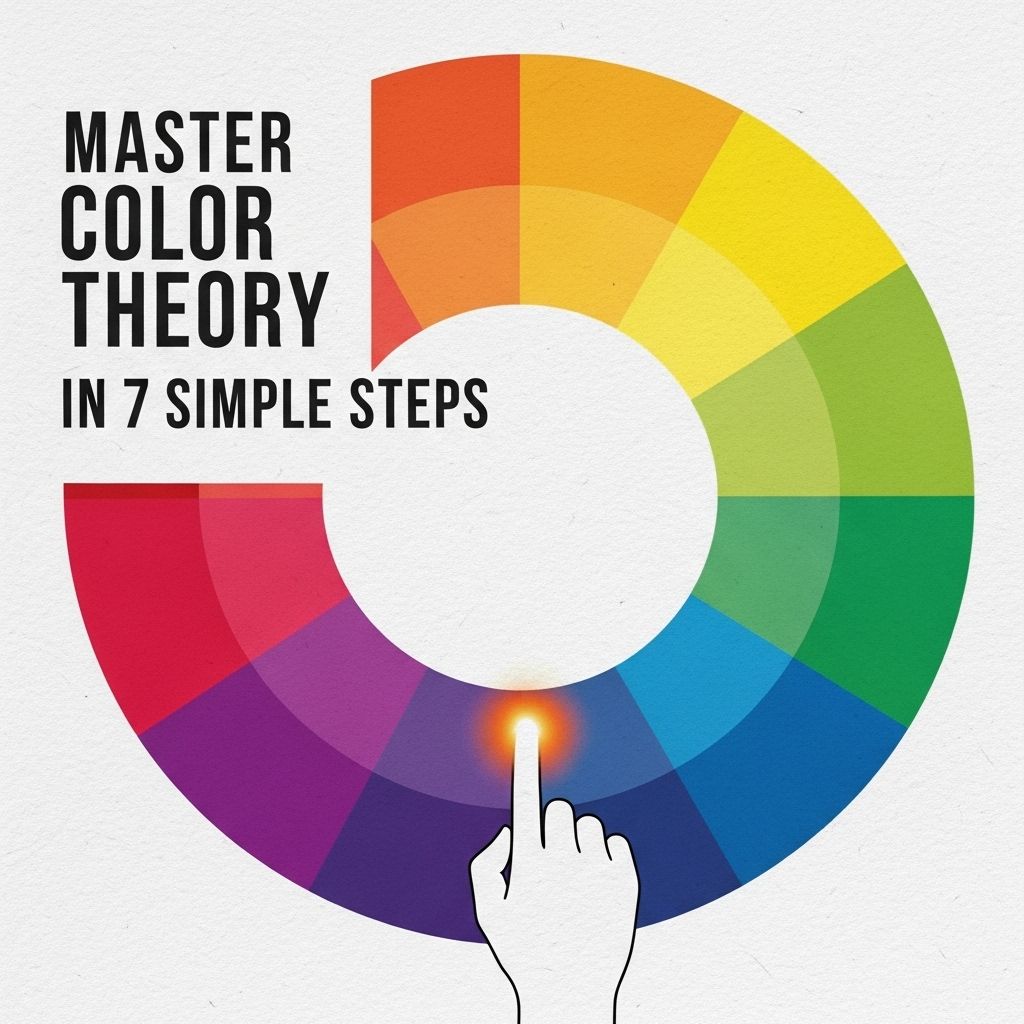
Color theory is an essential aspect of design, art, and aesthetics that influences how we perceive the world. Understanding the principles of color can make the difference between a mediocre design and a standout masterpiece. In this article, we will explore the various elements of color theory and guide you through seven simple steps to master it, whether you are a graphic designer, artist, or simply an enthusiast looking to enhance your skills.
Mastering color theory is essential for any designer looking to elevate their work. In this guide, we’ll break down the principles of color into seven simple steps, ensuring that you can confidently apply these concepts to your projects. For inspiration, you can discover unique 3D logo examples that showcase effective color use in practice.
The Basics of Color Theory
Color theory encompasses the science and art of using color. It includes the following key components:
- Color Wheel: A circular diagram that shows the relationships between colors.
- Primary Colors: Red, yellow, and blue – the colors from which all other colors are made.
- Secondary Colors: Green, orange, and purple – created by mixing primary colors.
- Tertiary Colors: The result of mixing a primary color with a secondary color.
With a foundational understanding of these components, you can begin to explore the deeper aspects of color theory.
Step 1: Understanding Color Relationships
Colors can be categorized into different relationships that affect how they interact. The most common relationships include:
Complementary Colors
Colors that are opposite each other on the color wheel. For example, blue and orange.
Analogous Colors
Colors that are next to each other on the color wheel, such as blue, blue-green, and green.
Triadic Colors
A color scheme that uses three colors that are evenly spaced on the color wheel, like red, yellow, and blue.
Step 2: The Psychology of Color
Colors evoke emotions and can influence behavior. Here’s a brief overview of what different colors represent:
| Color | Emotion |
|---|---|
| Red | Passion, energy, and action |
| Blue | Calm, trust, and professionalism |
| Green | Growth, health, and tranquility |
| Yellow | Happiness, optimism, and clarity |
| Purple | Luxury, creativity, and mystery |
Understanding these associations can help you make informed design choices.
Step 3: Utilizing Color Harmonies
Color harmonies create a cohesive look in design. Here are some popular types:
- Monochromatic: Variations of a single color.
- Complementary: As mentioned, involves pairs of colors opposite each other.
- Analogous: Similar colors that create a serene design.
- Split-Complementary: A base color and the two adjacent to its complement.
- Tetradic: Uses two complementary color pairs.
Step 4: The Impact of Saturation and Brightness
Saturation refers to the intensity of a color, while brightness refers to how light or dark a color is. Here’s how to work with them:
- Adjust Saturation: Use saturated colors for attention-grabbing elements and muted colors for backgrounds.
- Balance Brightness: Use bright colors for highlights, and darker shades for depth and dimension.
Step 5: Experimenting with Color Schemes
Practice makes perfect. Experiment with different color schemes using design software. Here are some ideas:
Tools for Experimentation
- Adobe Color: Create and explore color schemes.
- Coolors: Generate color palettes.
- Canva: Use templates to visualize your color choices.
Step 6: Analyzing Successful Designs
Learning from others can improve your skills significantly. Analyze color usage in well-known brands and designs:
- Identify their primary colors.
- Examine how they use contrast.
- Look at the emotional response their color choices evoke.
Step 7: Practicing with Real Projects
Put your knowledge to the test by working on real projects. Here are some suggestions:
- Create a personal logo.
- Redesign a website with a new color scheme.
- Make a social media post using a color palette.
By applying what you’ve learned, you will not only reinforce your knowledge but also build a portfolio to showcase your skills.
Conclusion
Mastering color theory is a journey that involves understanding complex relationships, experimenting with different schemes, and analyzing successful designs. By following these seven simple steps, you will be well on your way to enhancing your color skills and creating visually stunning work. Remember, practice is key, and the more you explore the world of color, the more confident you will become in your design projects.
FAQ
What is color theory?
Color theory is a framework used to understand how colors interact, complement each other, and the emotional responses they evoke.
Why is mastering color theory important for artists?
Mastering color theory helps artists create harmonious compositions, enhance visual storytelling, and evoke desired emotions in their work.
What are the primary colors in color theory?
The primary colors are red, blue, and yellow. They cannot be created by mixing other colors and serve as the foundation for creating a wide range of other colors.
How do complementary colors work?
Complementary colors are located opposite each other on the color wheel and, when used together, create contrast and vibrancy in artwork.
What is the significance of color harmonies?
Color harmonies refer to combinations of colors that are pleasing to the eye. Understanding harmonies helps in creating balanced and aesthetically pleasing designs.
Can color theory be applied in digital design?
Yes, color theory is essential in digital design as it guides designers in choosing color schemes that enhance user experience and brand identity.